• HOME
  • NEWS
  • EXPLORE
    • CAREER
      • Companies
      • Jobs
    • EVENTS
    • iGEM
      • News
      • Team
    • PHOTOS
    • VIDEO
    • WIKI
  • BLOG
  • COMMUNITY
    • FACEBOOK
    • INSTAGRAM
    • TWITTER
Friday, June 26, 2026
BIOENGINEER.ORG
No Result
View All Result
  • Login
  • HOME
  • NEWS
  • EXPLORE
    • CAREER
      • Companies
      • Jobs
        • Lecturer
        • PhD Studentship
        • Postdoc
        • Research Assistant
    • EVENTS
    • iGEM
      • News
      • Team
    • PHOTOS
    • VIDEO
    • WIKI
  • BLOG
  • COMMUNITY
    • FACEBOOK
    • INSTAGRAM
    • TWITTER
  • HOME
  • NEWS
  • EXPLORE
    • CAREER
      • Companies
      • Jobs
        • Lecturer
        • PhD Studentship
        • Postdoc
        • Research Assistant
    • EVENTS
    • iGEM
      • News
      • Team
    • PHOTOS
    • VIDEO
    • WIKI
  • BLOG
  • COMMUNITY
    • FACEBOOK
    • INSTAGRAM
    • TWITTER
No Result
View All Result
Bioengineer.org
No Result
View All Result
Home NEWS Science News Health

A considerable percentage of deaths in HIV patients are due to cryptococcal infections

Bioengineer by Bioengineer
May 21, 2019
in Health
Reading Time: 2 mins read
0
IMAGE
Share on FacebookShare on TwitterShare on LinkedinShare on RedditShare on Telegram

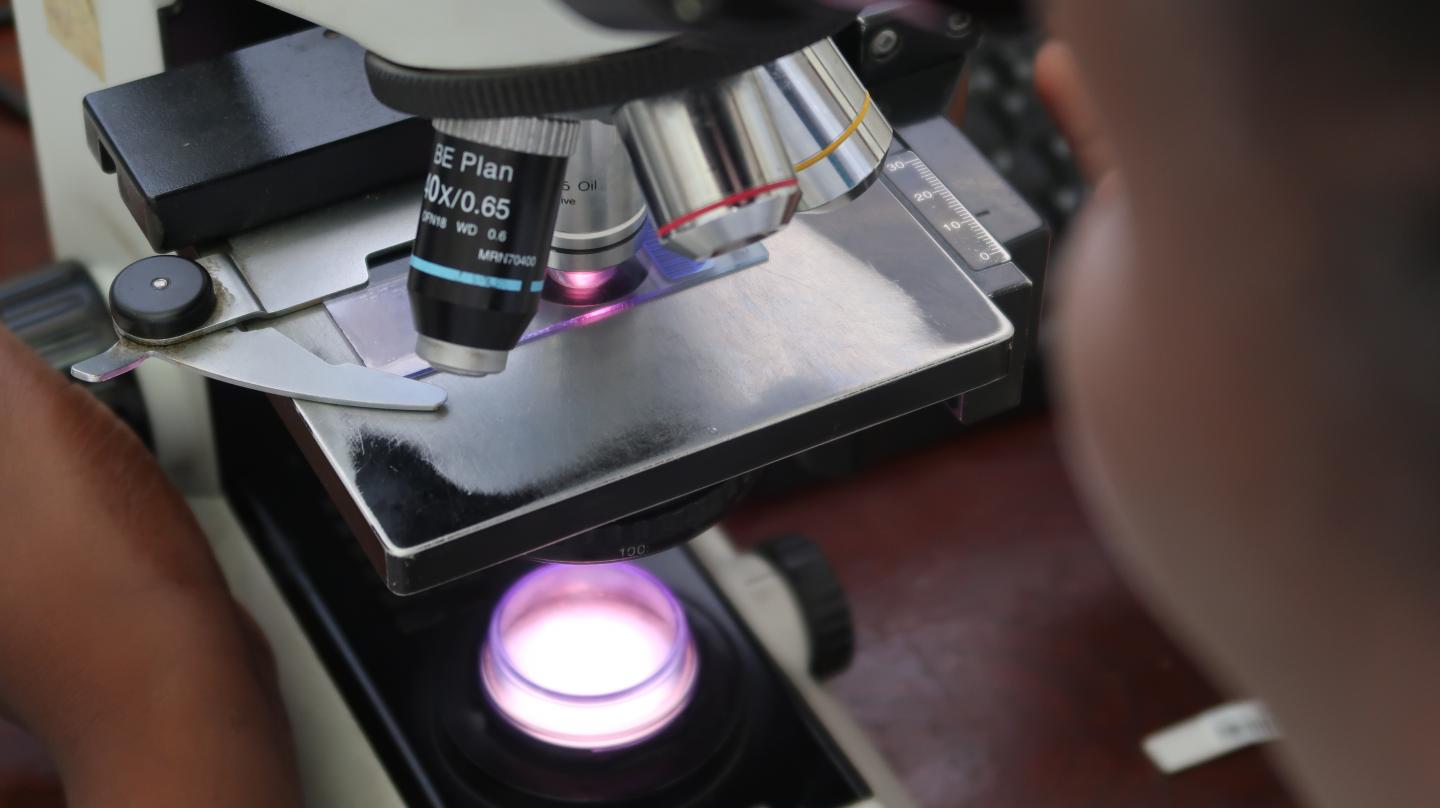
The study led by ISGlobal was based on almost 300 autopsies performed in Mozambique and Brazil
IMAGE

Credit: ISGlobal

Cryptococcal meningitis causes about one in ten HIV-related deaths, according to a study of autopsies performed in Mozambique and Brazil and coordinated by the Barcelona Institute for Global Health (ISGlobal), an institution supported by “la Caixa”.

Cryptococcus is an opportunistic fungus that is found in environmental samples but can cause fatal disease, especially in immune suppressed individuals. In fact, Cryptococcal meningitis represents the second most common cause of AIDS-related mortality, after tuberculosis. In 2014, Cryptococcal meningitis is estimated to have caused more than 130,000 deaths in sub-Saharan Africa.

Human cryptococcal infections are mainly caused by two species: Cryptococcus neoformans and Cryptococcus gattii, which was classified as a distinct species relatively recently. Although C. neoformans seems to predominate in HIV patients, relatively little is known about the epidemiology and clinical presentation of C. gatti infections, particularly in Africa.

In this study, performed within the CADMIA project, the authors determined the mortality associated to Cryptococcus among a series of autopsies performed in two hospitals located in areas with high HIV prevalence: Mozambique in sub-Saharan Africa and the Brazilian Amazonia. In addition, they performed a detailed analysis of the fatal cryptococcal infections.

Of the 284 complete diagnostic autopsies performed (223 from Maputo, Mozambique, 61 from Manaus, Brazil), 163 (57%) tested positive for HIV and 16 (10%) of these patients died due to cryptococcal infection. Two thirds of the infections were caused by C. neoformans, while the others were caused by C. gatti, which was also found in the only HIV-negative patient that died due to Cryptococcus. “This is the first report of C. gatti infection in Mozambique” says Juan Carlos Hurtado, first author of the study.

The analysis of the clinical presentation and management of these cases revealed that, in most cases, suspicion of cryptococcal infection was low and that 75% of the patients died within one week of admission.

“Our study highlights that, even today, the mortality associated with cryptococcal infections among HIV-infected patients is considerable, supporting current recommendations of CrAg screening and preemptive therapy,” adds Miguel J. Martínez, ISGlobal researcher and study coordinator.

###

Media Contact
Adelaida Sarukhan
[email protected]

Related Journal Article

http://dx.doi.org/10.1038/s41598-019-43941-w

Tags: AIDS/HIVDisease in the Developing WorldInfectious/Emerging DiseasesMedicine/HealthMycology
Share12Tweet8Share2ShareShareShare2

Related Posts

Tracking Lanthanide-Labeled Microplastics in Plants

June 25, 2026

Neural Design Enables Zero-Shot Drug-Binding Proteins

June 25, 2026

Genomic Insights into Human Skin Fungi Diversity

June 25, 2026

Chiral Laser Gyroscopes Surpass Lock-In Limit

June 25, 2026
Please login to join discussion

POPULAR NEWS

  • Saying Goodbye to PGY-6: Pediatric Fellowship Realities

    103 shares
    Share 41 Tweet 26
  • Multi-Hospital Study Reveals Long Covid Burden Is Twice as High as Current Estimates

    92 shares
    Share 36 Tweet 23
  • Detection of EDCs in Breast Milk and Infant Urine Up to Six Months Highlights Early Exposure Risks

    77 shares
    Share 31 Tweet 19
  • New Drug Candidate Developed at McMaster Shows Potential for Treating Brain Cancer

    58 shares
    Share 23 Tweet 15

About

We bring you the latest biotechnology news from best research centers and universities around the world. Check our website.

Follow us

Recent News

Tracking Lanthanide-Labeled Microplastics in Plants

POSTECH Researchers Slash Cost of Reconstituted Cell-Free Systems by 95%

AI and Physics Collaborate to Design Advanced Hydrogen Storage Materials

Subscribe to Blog via Email

Success! An email was just sent to confirm your subscription. Please find the email now and click 'Confirm' to start subscribing.

Join 82 other subscribers
  • Contact Us

Bioengineer.org © Copyright 2023 All Rights Reserved.

Welcome Back!

Login to your account below

Forgotten Password?

Retrieve your password

Please enter your username or email address to reset your password.

Log In
No Result
View All Result
  • Homepages
    • Home Page 1
    • Home Page 2
  • News
  • National
  • Business
  • Health
  • Lifestyle
  • Science

Bioengineer.org © Copyright 2023 All Rights Reserved.