• HOME
  • NEWS
  • EXPLORE
    • CAREER
      • Companies
      • Jobs
    • EVENTS
    • iGEM
      • News
      • Team
    • PHOTOS
    • VIDEO
    • WIKI
  • BLOG
  • COMMUNITY
    • FACEBOOK
    • INSTAGRAM
    • TWITTER
Friday, November 20, 2026
BIOENGINEER.ORG
No Result
View All Result
  • Login
  • HOME
  • NEWS
  • EXPLORE
    • CAREER
      • Companies
      • Jobs
        • Lecturer
        • PhD Studentship
        • Postdoc
        • Research Assistant
    • EVENTS
    • iGEM
      • News
      • Team
    • PHOTOS
    • VIDEO
    • WIKI
  • BLOG
  • COMMUNITY
    • FACEBOOK
    • INSTAGRAM
    • TWITTER
No Result
View All Result
Bioengineer.org
No Result
View All Result
Home NEWS Science News Health

Post-Translational Modifications Regulate Macrophage Polarization and Immune Dysfunction in Sepsis

by
November 20, 2026
in Health
Reading Time: 2 mins read
0
Post-Translational Modifications Regulate Macrophage Polarization and Immune Dysfunction in Sepsis

Post-Translational Modifications Regulate Macrophage Polarization and Immune Dysfunction in Sepsis

Share on FacebookShare on TwitterShare on LinkedinShare on RedditShare on Telegram

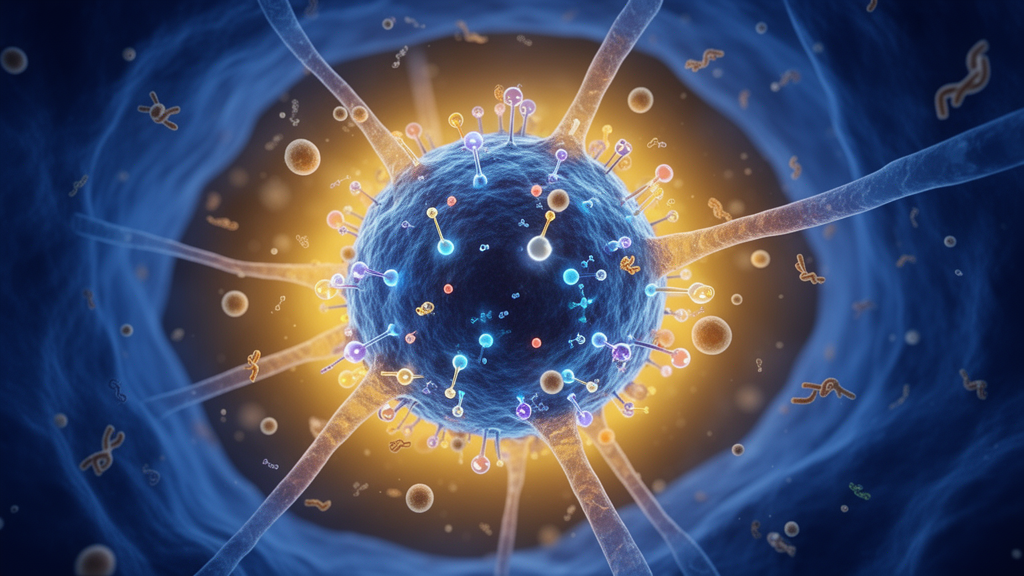
Sepsis is a life-threatening syndrome caused by organ dysfunction resulting from a dysregulated host response to infection, characterized by early hyperinflammation followed by subsequent immune paralysis or immunosuppression. In a review published in Molecular Medicine, researchers evaluated how macrophage dysregulation acts as a major driver of this immune imbalance and assessed the central regulatory functions of post-translational modifications.

Tissue-resident macrophages mediate inflammatory injury and tissue repair, while recruited monocytes share key post-translational modification regulatory mechanisms with macrophages. In sepsis, macrophage responses span dynamic and heterogeneous functional states, with M1-like inflammatory and M2-like immunoregulatory programs representing two reference poles within a broader phenotypic spectrum.

Macrophage tolerance, defined by hyporesponsiveness to repeated pathogenic stimulation, contributes directly to late-stage immunosuppression. This tolerant state cooperates with aberrant macrophage polarization to promote systemic immune paralysis during disease progression.

Post-translational modifications serve as central regulators of macrophage function and polarization homeostasis. By modifying critical signaling molecules, these modifications regulate essential downstream cascades, including the NF-κB and MAPK pathways, while metabolism-linked modifications couple metabolic reprogramming to specific macrophage functional states.

Crosstalk among multiple post-translational modifications collectively directs macrophage plasticity. When the axis connecting post-translational modifications to macrophage polarization is disrupted, it contributes to excessive inflammation, tissue and organ injury, metabolic dysfunction, an imbalance between autophagy and apoptosis, and organ-specific immunosuppression.

The review systematically analyzes cooperative and antagonistic modification networks that govern polarization, emphasizing modification-metabolism crosstalk, tolerance mechanisms, and resident macrophage heterogeneity. The authors also evaluate translational approaches ranging from small-molecule modulators to gene editing and targeted delivery platforms designed to support tailored immunotherapies.

Subject of Research: Post-translational modifications and macrophage polarization in sepsis

Article Title: Post-translational modifications in sepsis: mechanisms and therapeutic potential in macrophage polarization

Article References: Wu, H., Liao, Y., Tang, L., Song, L., Wang, C., Zhang, H., Deng, X., Zhang, W., & Bo, L. (2026). Post-translational modifications in sepsis: mechanisms and therapeutic potential in macrophage polarization. Molecular Medicine. https://doi.org/10.1186/s10020-026-01668-1

Image Credits: AI Generated

DOI: 10.1186/s10020-026-01668-1

Keywords: sepsis, macrophage polarization, post-translational modifications, immune paralysis, hyperinflammation, immunosuppression, NF-κB pathway, MAPK pathway, metabolic reprogramming, macrophage tolerance, tissue-resident macrophages, recruited monocytes, autophagy, apoptosis, organ injury, gene editing, targeted delivery

News Source: Juliet Wilcox. (November 20, 2026). Post-Translational Modifications Regulate Macrophage Polarization and Immune Dysfunction in Sepsis. Scienmag.


Tags: ApoptosisautophagyGene editinghyperinflammationimmune paralysisimmunosuppressionMacrophage polarizationmacrophage toleranceMAPK pathwayMetabolic ReprogrammingNF-κB pathwayorgan injurypost-translational modificationsrecruited monocytessepsisTargeted Deliverytissue-resident macrophages
Share12Tweet7Share2ShareShareShare1

Related Posts

Novel Wheelchair Armrest Device Encourages Self-Directed Upper Limb Practice After Stroke

Novel Wheelchair Armrest Device Encourages Self-Directed Upper Limb Practice After Stroke

November 20, 2026
Patella Friendly Knee Implants Better Replicate Native Motion but Face Medial Limits

Patella Friendly Knee Implants Better Replicate Native Motion but Face Medial Limits

November 20, 2026

Heart Failure Linked to Reduced Immunotherapy Toxicity in Lung Cancer Study

November 20, 2026

Arabic Validation of Reproductive Autonomy Scale Shows High Repeatability in Egypt

November 20, 2026

POPULAR NEWS

  • Transient Neonatal Diabetes Can Signal Rare HNF1B Whole-Gene Deletions

    Transient Neonatal Diabetes Can Signal Rare HNF1B Whole-Gene Deletions

    29 shares
    Share 12 Tweet 7
  • Vernacular Names Reveal Ethnobotanical Plant Exudate Knowledge in Brazil

    29 shares
    Share 12 Tweet 7
  • Nurses in 2023 Turkey Mission Faced Emotional Strains and Operational Hurdles

    29 shares
    Share 12 Tweet 7
  • Arabic Resilience and Relapse Scales Show High Reliability in Emirati Addiction Study

    29 shares
    Share 12 Tweet 7

About

We bring you the latest biotechnology news from best research centers and universities around the world. Check our website.

Follow us

Recent News

Cofactor Engineering Increases Succinic Acid Productivity in Engineered Yarrowia lipolytica

Novel Wheelchair Armrest Device Encourages Self-Directed Upper Limb Practice After Stroke

Nuclear Concrete Mock-Ups Show Internal Swelling Reactions Infill Microscopic Cracks

Subscribe to Blog via Email

Enter your email address to subscribe to this blog and receive notifications of new posts by email.

Join 89 other subscribers
  • Contact Us

Bioengineer.org © Copyright 2023 All Rights Reserved.

Welcome Back!

Login to your account below

Forgotten Password?

Retrieve your password

Please enter your username or email address to reset your password.

Log In
No Result
View All Result
  • Homepages
    • Home Page 1
    • Home Page 2
  • News
  • National
  • Business
  • Health
  • Lifestyle
  • Science

Bioengineer.org © Copyright 2023 All Rights Reserved.