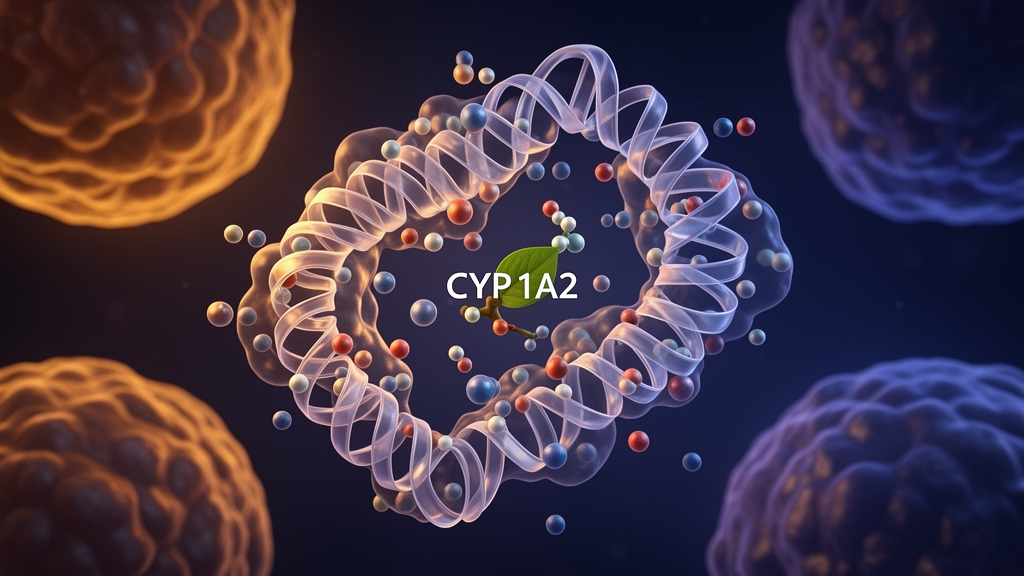
A recent computational multi-omics study published in Discover Oncology has identified CYP1A2 as a primary candidate target for the natural phenolic compound eugenol in the context of hepatocellular carcinoma. The research, led by Hao Hu and colleagues, integrates multiple layers of genomic and toxicological data to explore the potential anti-cancer mechanisms of eugenol, a substance that has shown therapeutic promise in various cancer models but whose specific role in liver cancer remains largely unexplored. By combining transcriptomic analysis with network-based target prediction and molecular modeling, the team aimed to prioritize key molecular drivers that could explain how eugenol might interact with hepatocellular carcinoma cells.
The study design relied on a comprehensive integration of six Gene Expression Omnibus datasets, encompassing a total of 716 samples. This extensive dataset allowed the researchers to perform a robust transcriptomic analysis, which identified 449 differentially expressed genes associated with the disease state. The team utilized weighted gene co-expression network analysis. This analysis identified disease-associated co-expression modules containing 1,688 genes.
To bridge the gap between disease-associated genes and potential drug targets, the researchers integrated the transcriptomic results with predicted targets of eugenol. They utilized several databases, including SwissTargetPrediction, ChEMBL, and SEA, to identify molecules that eugenol might interact with. The intersection of differentially expressed genes, co-expression module results, and predicted eugenol targets yielded a focused list of 55 candidate genes.
An ensemble machine learning framework was then applied to these 55 candidates to identify the most significant driver genes. The framework tested 113 different combinations of algorithms and feature selection methods. The team also employed SHAP interpretability analysis. This process ultimately identified eight key driver genes: CYP1A2, CXCL12, CYP3A4, CYP2C19, ALPL, AURKA, AURKB, and CYP17A1. Among these, CYP1A2 stood out as the most significant, achieving the highest diagnostic utility with an area under the curve value of 0.902.
To validate the structural plausibility of the interaction between eugenol and CYP1A2, the researchers conducted molecular docking simulations followed by 100-nanosecond molecular dynamics simulations. These computational experiments suggested that eugenol can bind to CYP1A2 in a structurally plausible manner. The molecular dynamics simulations indicated relatively stable conformational behavior during the simulated trajectory.
Further analysis using single-cell RNA sequencing data from the GSE146409 dataset revealed the cellular specificity of CYP1A2 expression. The results revealed hepatocyte-predominant CYP1A2 expression. Specifically, the expression levels in hepatocytes were approximately three times higher than in other liver cell types.
Functional enrichment analysis of the identified targets highlighted their involvement in drug metabolism and catalytic pathways.
The findings prioritize CYP1A2 as a hepatocyte-enriched, hepatocellular carcinoma-associated candidate for potential interaction with eugenol. While the study provides a strong computational framework and identifies specific molecular targets, it is important to note that these results are derived from in silico analyses. The authors emphasize that these findings provide a basis for future biochemical and functional validation.
Subject of Research: Computational identification of CYP1A2 as a putative eugenol target in hepatocellular carcinoma
Article Title: Integrative multi‑cohort transcriptomics and network toxicology prioritize CYP1A2 as a hepatocyte‑enriched putative target of eugenol in hepatocellular carcinoma
Article References: Hu, H., Zhao, L., Zhang, Z., & Deng, Y. (2026). Integrative multi‑cohort transcriptomics and network toxicology prioritize CYP1A2 as a hepatocyte‑enriched putative target of eugenol in hepatocellular carcinoma. Discover Oncology. https://doi.org/10.1007/s12672-026-06260-x
Image Credits: AI Generated
DOI: 10.1007/s12672-026-06260-x
Keywords: hepatocellular carcinoma, eugenol, CYP1A2, transcriptomics, network toxicology, molecular docking, single-cell RNA sequencing, drug metabolism, machine learning, liver cancer, Integrative, multi
News Source: Nathaniel Bowman. (November 10, 2026). Computational Study Links CYP1A2 to Eugenol in Liver Cancer. Scienmag.