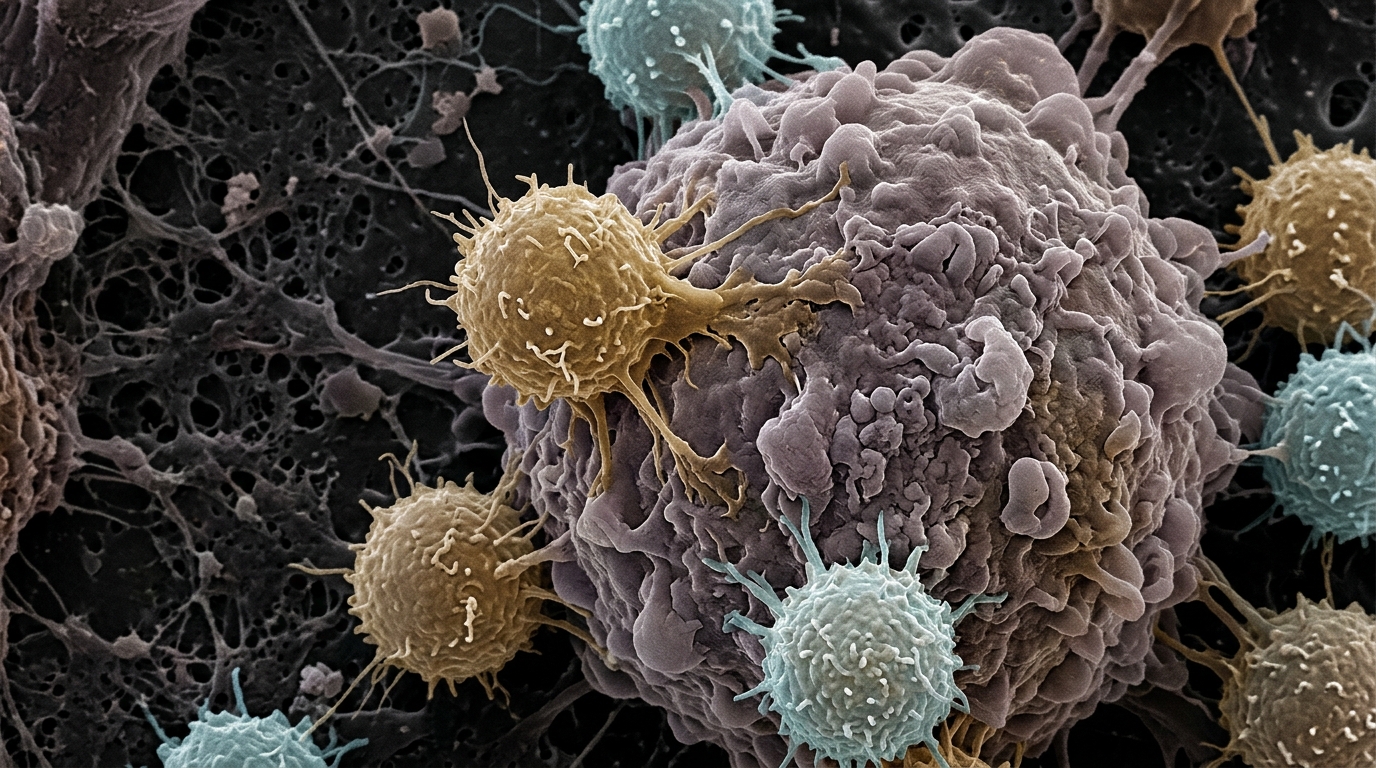
Researchers have engineered chimeric antigen receptor (CAR)-T cells with synthetic radiation-inducible promoters that release tumor necrosis factor locally upon tumor irradiation, overcoming key therapeutic barriers in solid tumors. In solid tumors, adoptive CAR-T cell therapies have traditionally faced limited efficacy because of poor infiltration and impaired effector function, while radiotherapy is constrained by radioresistance and metastatic spread. By integrating the spatial precision of ionizing radiation with the biological specificity of CAR-T cells, the approach achieves localized delivery of the inflammatory cytokine tumor necrosis factor (TNF).
To establish the control mechanism, the researchers identified radiation-responsive genes in tumor-infiltrating T cells. Using these responsive elements, they developed a synthetic radioinducible promoter, designated DD56×9, derived from the mouse Phlda3 promoter. In human CAR-T cells, this synthetic DD56×9 promoter drove ionizing radiation dose-dependent TNF expression.
Human CAR-T cells carrying this radioinducible construct, termed riTNF CAR-T cells, secreted high levels of TNF upon irradiation. This cytokine secretion occurred independently of antigen engagement, demonstrating that radiation exposure directly triggered cytokine release within the target area.
In human xenograft and murine tumor models spanning immunocompromised and immunocompetent systems, the combination of riTNF CAR-T cells and local irradiation produced greater tumor regression than either treatment alone or standard CAR-T cells combined with irradiation. This therapeutic response was associated with high intratumoral TNF levels without elevated systemic TNF levels, avoiding broader systemic exposure.
The combination treatment increased tumor necrosis and apoptosis, induced vascular disruption, and enhanced CAR-T cell infiltration into tumors. Through these direct and indirect antitumor mechanisms, ionizing radiation-inducible TNF reprogrammed the tumor environment. In multi-tumor evaluations, maximal efficacy required irradiation of all tumor sites, despite observed macrophage-associated abscopal responses following single-lesion irradiation.
Together, these laboratory findings establish a proof of concept for localized, radiation-guided cytokine delivery in preclinical solid tumor models.
Subject of Research: Radiation-inducible cytokine release from engineered CAR-T cells
Article Title: Spatiotemporal control of CAR-T cell TNF release via tumor-targeted irradiation
Article References: Masoumi, E., Walczak, P., Tsuji, T., Huzniakova, V., Kim, B. H., Iyer, S., Luque, E., Bilecz, A. J., Matsuzaki, J., Olortegui, C. F., Odunsi, K., Weichselbaum, R. R., & Arina, A. (2026). Spatiotemporal control of CAR-T cell TNF release via tumor-targeted irradiation. Nature Cancer. https://doi.org/10.1038/s43018-026-01255-7
Image Credits: AI Generated
DOI: 10.1038/s43018-026-01255-7
Keywords: CAR-T cell therapy, tumor necrosis factor, radiotherapy, synthetic promoters, solid tumors, preclinical models, tumor regression, radiation-responsive genes, Spatiotemporal, control, CAR-T, cell
News Source: Nathaniel Bowman. (November 6, 2026). Targeted Tumor Irradiation Controls Localized CAR-T Cell Release of TNF. Scienmag.