In a newly reported study, researchers identified nuclear factor erythroid 2-related factor 2 (NRF2) as a crucial tumor-intrinsic regulator that directly links inflammatory signaling pathways, ferroptotic vulnerability, and immune responsiveness in endometrial carcinoma. Endometrial carcinoma displays substantial molecular heterogeneity, and the complex biological mechanisms that connect cellular stress adaptation to tumor immune evasion have remained incompletely understood in oncology research. Even though prior evidence has implicated chronic inflammatory signaling and ferroptosis resistance in the progression of endometrial carcinoma, the precise manner in which these two biological processes are integrated with antitumor immunity has remained unclear. To resolve these relationships, the researchers conducted integrative transcriptomic analyses across patient profiles, identifying nuclear factor kappa B (NF-κB) signaling as a prominent inflammatory program associated with adverse clinical features in affected patients. Concurrently, these transcriptomic evaluations revealed that NRF2-associated molecular activity was notably increased within malignant epithelial compartments. Subsequent laboratory investigations using pharmacological perturbation and tumor necrosis factor-alpha (TNF-α) stimulation provided strong experimental evidence supporting an association between NF-κB-associated signaling cascades and elevated NRF2 expression under the specific conditions examined.
Following these baseline observations, the investigators examined the functional consequences of altering NRF2 levels, demonstrating that genetic NRF2 depletion substantially increased the sensitivity of endometrial carcinoma cells to ferroptotic stress. This heightened vulnerability to ferroptotic cell death was directly accompanied by a disruption of canonical SLC7A11- and GPX4-associated defense pathways, which normally protect cells against oxidative damage. In addition, the genetic depletion of NRF2 led to increased expression of ACSL4, marked elevations in lipid peroxidation, heightened levels of labile iron, and measurable increases in mitochondrial oxidative stress. Together, these biochemical changes show that silencing NRF2 disrupts the antioxidant defense network, heightening metabolic vulnerability and driving endometrial carcinoma cells toward iron-dependent lipid peroxidation and ferroptotic cell destruction.
Beyond modulating cell survival and antioxidant defenses, genetic depletion of NRF2 also produced marked changes in antitumor immune signaling pathways within endometrial carcinoma cells. Specifically, NRF2 depletion increased both the total abundance and the functional activity of signal transducer and activator of transcription 1 (STAT1), while concurrently enhancing the accumulation of STAT1 within the cell nucleus. These alterations directly increased cellular responsiveness to stimulation with exogenous interferon-gamma (IFN-γ). The investigators determined that these signaling shifts were accompanied by a comprehensive remodeling of a STAT1-associated antigen-presentation program. This remodeling was characterized by increased expression of NLRC5, altered expression of IRF1, and increased surface expression of major histocompatibility complex class I (MHC-I) molecules. Furthermore, when the cells were challenged with exogenous IFN-γ stimulation, NRF2 depletion further magnified both STAT1-associated responses and ferroptosis-associated stress markers.
To assess whether these cellular mechanisms translate into measurable antitumor effects in living organisms, the researchers tested NRF2 depletion in an immunocompetent CT26 surrogate tumor model. In this animal surrogate model, genetic NRF2 depletion was associated with reduced tumor growth, elevated signals for CD8-positive and granzyme B-positive immune cells, and significantly greater tumor control when combined with anti-PD-1 checkpoint inhibition immunotherapy. Extending their observations to human clinical profiles, the researchers analyzed human uterine corpus endometrial carcinoma (UCEC) datasets, which further demonstrated an association between NRF2-related activity and CD8-positive T-cell infiltration. Because the in vivo therapeutic experiments were conducted in a CT26 animal surrogate system rather than directly in human patients, the authors note that these findings reflect preclinical model observations rather than established human clinical efficacy. Nevertheless, the combined transcriptomic, biochemical, and surrogate animal findings support NRF2 as a central tumor-intrinsic regulatory node connecting inflammatory adaptation, ferroptotic vulnerability, and immune responsiveness in endometrial carcinoma.
Subject of Research: NRF2 regulation of ferroptosis vulnerability and immune responsiveness in endometrial carcinoma
Article Title: NRF2 links inflammatory signaling with ferroptotic vulnerability and IFN-γ–STAT1 responsiveness in endometrial carcinoma
Article References: Yang, Y., Zhao, X., Li, R., Ren, C., Yin, Q., Lu, C., Zheng, Y., Yin, S., Ge, C., Wu, T., & Yang, L. (2026). NRF2 links inflammatory signaling with ferroptotic vulnerability and IFN-γ–STAT1 responsiveness in endometrial carcinoma. Cellular and Molecular Life Sciences. https://doi.org/10.1007/s00018-026-06521-6
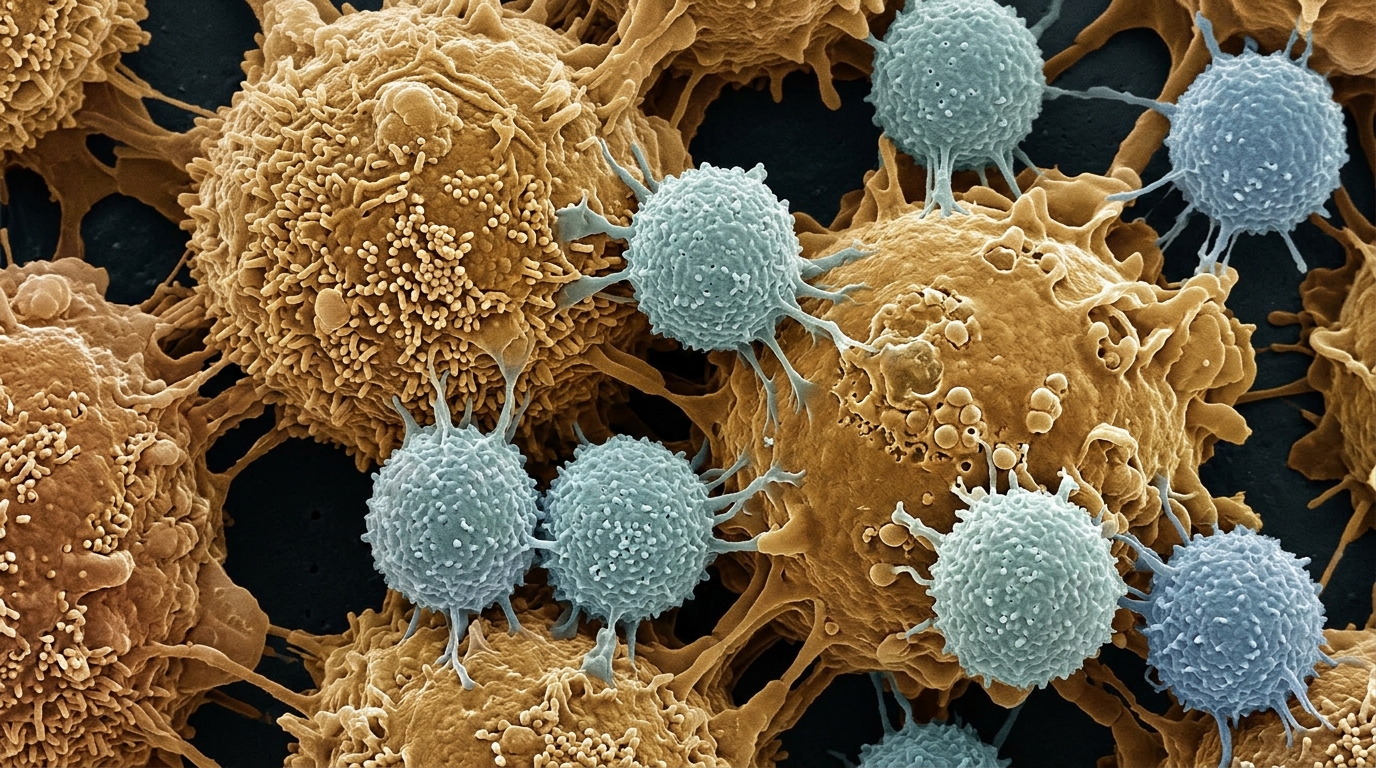
Image Credits: AI Generated
DOI: 10.1007/s00018-026-06521-6
Keywords: endometrial carcinoma, NRF2, ferroptosis, immunotherapy, interferon-gamma, STAT1, NF-kappaB, cancer research, links, inflammatory, signaling, ferroptotic
News Source: Nathaniel Bowman. (November 6, 2026). NRF2 Regulates Ferroptosis Vulnerability and Immune Responses in Endometrial Cancer Models. Scienmag.