

• HOME
  • NEWS
  • EXPLORE
    • CAREER
      • Companies
      • Jobs
    • EVENTS
    • iGEM
      • News
      • Team
    • PHOTOS
    • VIDEO
    • WIKI
  • BLOG
  • COMMUNITY
    • FACEBOOK
    • INSTAGRAM
    • TWITTER
Sunday, November 1, 2026
BIOENGINEER.ORG
No Result
View All Result
  • Login
  • HOME
  • NEWS
  • EXPLORE
    • CAREER
      • Companies
      • Jobs
        • Lecturer
        • PhD Studentship
        • Postdoc
        • Research Assistant
    • EVENTS
    • iGEM
      • News
      • Team
    • PHOTOS
    • VIDEO
    • WIKI
  • BLOG
  • COMMUNITY
    • FACEBOOK
    • INSTAGRAM
    • TWITTER
No Result
View All Result
Bioengineer.org
No Result
View All Result
Home NEWS Science News Biology

Micro- and Nanoplastics May Harm Oocytes Through Oxidative Stress and Endocrine Disruption, Review Finds

by
October 28, 2026
in Biology
Reading Time: 2 mins read
0
Micro- and Nanoplastics May Harm Oocytes Through Oxidative Stress and Endocrine Disruption, Review Finds

Micro- and Nanoplastics May Harm Oocytes Through Oxidative Stress and Endocrine Disruption, Review Finds

Share on FacebookShare on TwitterShare on LinkedinShare on RedditShare on Telegram

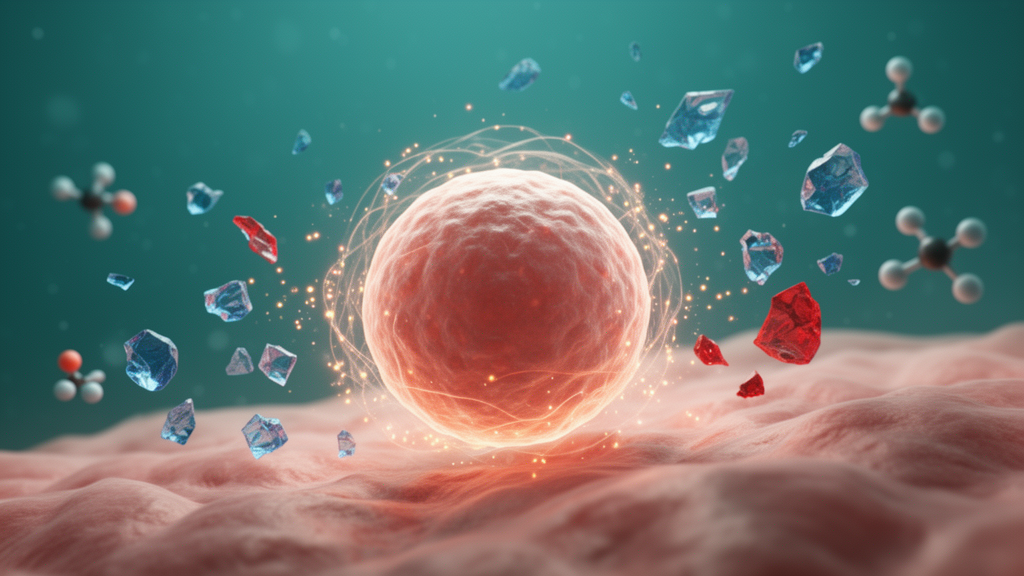
Micro- and nanoplastics, tiny plastic fragments now recognized as widespread and persistent environmental contaminants, may pose previously underappreciated risks to female fertility by damaging oocytes, the cells central to reproductive function. That is the central conclusion of a review published in Cell Biology and Toxicology, which searched databases including PubMed and Web of Science and integrated findings from diverse animal models and human samples to summarize what is currently known about how these particles affect oocytes and the molecular mechanisms involved.

According to the review, micro- and nanoplastics can enter the body through ingestion, inhalation, and dermal contact, and their potential effects on female reproductive health have drawn increasing attention. The authors report that these particles may impair oocyte development via oxidative stress, inflammation, endoplasmic reticulum stress, endocrine disruption, and epigenetic modifications. These processes are associated with changes in several signaling pathways, including Wnt/β-catenin, NLRP3/caspase-1, TLR4/NF-κB, and PERK/eIF2α, and are linked to mitochondrial dysfunction, apoptosis, meiotic defects, chromosomal abnormalities, and impaired oocyte maturation.

The review also examined whether harm could extend beyond the directly exposed individual. Animal studies suggest that maternal exposure to micro- and nanoplastics may impair offspring development and reproductive function, pointing to possible intergenerational effects. However, the authors emphasize that evidence for true transgenerational effects, in which changes would persist in generations that were never directly exposed, remains limited. Distinguishing between these two categories of effect is a recurring challenge in this research area, and the review treats the transgenerational question as an open one rather than a settled finding.

A significant limitation highlighted by the authors is that most existing evidence comes from animal studies, many of which used standardized polystyrene particles. Although micro- and nanoplastics have been detected in human biological samples, the review states that their actual effects on human reproductive health remain to be clarified. The findings are therefore best understood as a map of plausible mechanisms and a research agenda, not as demonstrated clinical outcomes in humans.

By bringing together evidence on molecular pathways and on oocyte-level outcomes such as meiotic defects and impaired maturation, the review aims to support future work on how these ubiquitous particles might affect female reproductive function.

Subject of Research: Potential toxicity of micro- and nanoplastics to oocytes and the molecular mechanisms involved

Article Title: Micro- and nanoplastics-induced oocyte toxicity: molecular mechanisms and potential intergenerational and transgenerational risks

Article References: Xu, R., Li, X., Cheng, W., Chen, J., Cheng, R., Yang, L., & Zhang, Q. (2026). Micro- and nanoplastics-induced oocyte toxicity: molecular mechanisms and potential intergenerational and transgenerational risks. Cell Biology and Toxicology. https://doi.org/10.1007/s10565-026-10327-4

Image Credits: AI Generated

DOI: 10.1007/s10565-026-10327-4

Keywords: microplastics, nanoplastics, oocyte toxicity, female fertility, oxidative stress, endocrine disruption, epigenetics, mitochondrial dysfunction, polystyrene, transgenerational effects, Micro-, nanoplastics-induced

News Source: Drew Townsend. (October 28, 2026). Micro- and Nanoplastics May Harm Oocytes Through Oxidative Stress and Endocrine Disruption, Review Finds. Scienmag.


Tags: endocrine disruptionepigeneticsfemale fertilitymicromicroplasticsMitochondrial dysfunctionnanoplasticsnanoplastics-inducedoocyte toxicityoxidative stresspolystyreneTransgenerational Effects
Share12Tweet7Share2ShareShareShare1

Related Posts

Microbial Sources and Stress Shape the Hidden Endophytes of an Invasive Plant

Microbial Sources and Stress Shape the Hidden Endophytes of an Invasive Plant

October 30, 2026
Firebreaks Leave Lasting Scars in Grasslands While Wildfire Heals Fast

Firebreaks Leave Lasting Scars in Grasslands While Wildfire Heals Fast

October 30, 2026

Hidden Peptides in Non-Coding RNAs Reshape Cardiovascular Biology

October 30, 2026

Phage K Holin’s C-Terminal Region Shapes Antibacterial Activity, Study Finds

October 30, 2026

POPULAR NEWS

  • Microbial Sources and Stress Shape the Hidden Endophytes of an Invasive Plant

    Microbial Sources and Stress Shape the Hidden Endophytes of an Invasive Plant

    29 shares
    Share 12 Tweet 7
  • Firebreaks Leave Lasting Scars in Grasslands While Wildfire Heals Fast

    29 shares
    Share 12 Tweet 7
  • ZNF207 shields glutamine transporter ASCT2 from degradation to fuel liver cancer growth

    29 shares
    Share 12 Tweet 7
  • Systematic review maps sustainability tensions in offshore wind development

    29 shares
    Share 12 Tweet 7

About

We bring you the latest biotechnology news from best research centers and universities around the world. Check our website.

Follow us

Recent News

Microbial Sources and Stress Shape the Hidden Endophytes of an Invasive Plant

Firebreaks Leave Lasting Scars in Grasslands While Wildfire Heals Fast

ZNF207 shields glutamine transporter ASCT2 from degradation to fuel liver cancer growth

Subscribe to Blog via Email

Enter your email address to subscribe to this blog and receive notifications of new posts by email.

Join 86 other subscribers
  • Contact Us

Bioengineer.org © Copyright 2023 All Rights Reserved.

Welcome Back!

Login to your account below

Forgotten Password?

Retrieve your password

Please enter your username or email address to reset your password.

Log In
No Result
View All Result
  • Homepages
    • Home Page 1
    • Home Page 2
  • News
  • National
  • Business
  • Health
  • Lifestyle
  • Science

Bioengineer.org © Copyright 2023 All Rights Reserved.
