Two bariatric procedures differ not only in how much metabolic improvement they deliver but also in how they restructure the gut microbiome, according to a new rat study published in BMC Surgery. Researchers compared single-anastomosis duodenal-ileal bypass with sleeve gastrectomy (SADI-S) against sleeve gastrectomy (SG) alone in diabetic Wistar rats, and found that both operations lowered blood sugar measures, while SADI-S produced the stronger glycemic effect and SG produced the richer bacterial community.
SADI-S has emerged as one of the most effective surgical options for managing type 2 diabetes, the authors note, yet studies of the intestinal microbiota after this procedure have been limited. Because gut microbes are known to play an important role in regulating host metabolism, the team set out to examine how the two operations affect the microbiota and how those changes relate to metabolic outcomes.
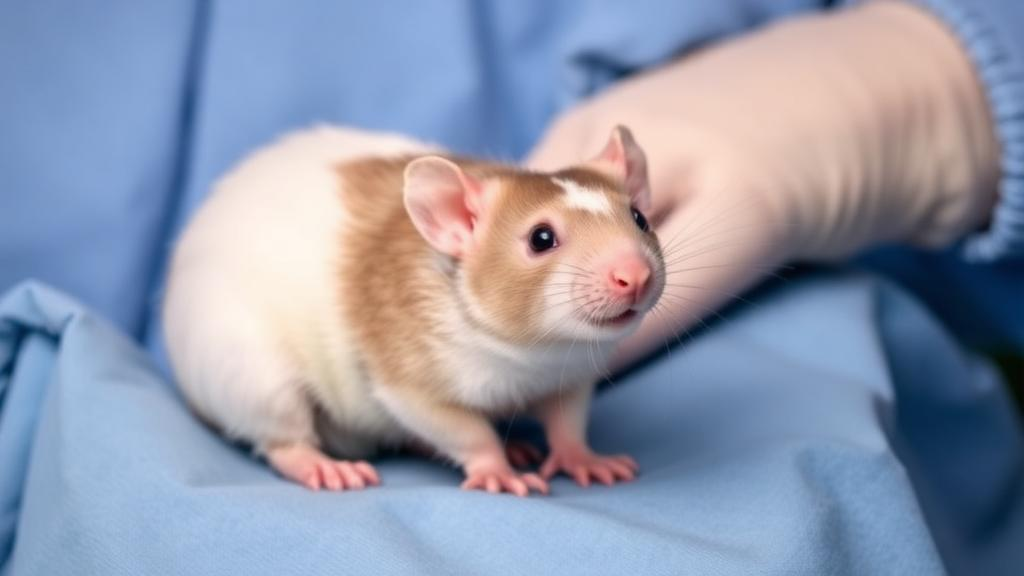
In the experiment, Wistar rats with diabetes were randomly assigned to one of three groups: SADI-S, SG, or a sham operation control group. Five weeks after surgery, the researchers analyzed metabolic effects and gut microbiota characteristics in each group.
The metabolic results were clear-cut. Fasting blood glucose and glycated hemoglobin levels were significantly lower in both the SADI-S and SG groups than in the sham-operated controls, with p-values below 0.05. Importantly, the SADI-S group also showed significantly lower levels than the SG group, suggesting that the more complex bypass procedure delivered greater glycemic benefit in this animal model.
The microbiota findings told a different story. Species richness and diversity in the SG group were significantly higher than in both the SADI-S and sham groups. In other words, the operation that produced the smaller metabolic improvement had a more diverse bacterial community after surgery, while the more metabolically effective SADI-S was associated with reduced microbial diversity.
Beyond overall diversity, the study linked specific bacterial species to glucose metabolism. Rat glucose metabolism parameters showed a positive correlation with the abundance of 11 bacterial species, including members of the Ruminococcus gauvreauii group, and a negative correlation with the relative abundance of 7 species, including Enterococcus. These correlations hint at which microbial players might track with better or worse glycemic control after surgery.
The authors conclude that SADI-S and SG significantly changed the composition of gut microbiota in rats with type 2 diabetes and also improved host metabolism. They suggest that these alterations in intestinal microbiota may help elucidate the mechanisms through which the two procedures improve type 2 diabetes, though they emphasize that future research is warranted to validate the findings further.
Several caveats apply. The work was conducted in rats over a five-week window, so the results cannot be directly extrapolated to human patients or long-term outcomes. The microbial associations are correlations and do not establish that specific bacteria cause the metabolic changes.
Subject of Research: Effects of SADI-S and sleeve gastrectomy on gut microbiota and metabolism in diabetic rats
Article Title: Impact of SADI-S and SG on gut microbiota composition and host metabolism
Article References: Ma, S., & Jiang, T. (2026). Impact of SADI-S and SG on gut microbiota composition and host metabolism. BMC Surgery. https://doi.org/10.1186/s12893-026-04306-z
Image Credits: AI Generated
DOI: 10.1186/s12893-026-04306-z
Keywords: SADI-S, sleeve gastrectomy, gut microbiota, type 2 diabetes, bariatric surgery, Wistar rats, glucose metabolism, glycated hemoglobin, Ruminococcus gauvreauii, Enterococcus, microbial diversity, metabolic surgery
News Source: Ophelia Keating. (October 28, 2026). Diabetes Surgery Reshapes Gut Microbes in Rats, With SADI-S Edging Out Sleeve Gastrectomy. Scienmag.