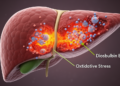
Researchers have proposed a conceptual framework for identifying and prioritizing senescence-associated antigens for senolytic immunotherapy, the strategy of using the immune system to clear pathological senescent cells that contribute to age-related and chronic diseases. The framework, described in Frontiers in Systems Biology, is explicitly a proposal rather than a validated or implementable algorithm, and its authors stress that it remains in the validation phase.
The framework requires that a single candidate antigen meet four criteria within the same cellular context: persistent pathological senescence, immune accessibility through a confirmed surface antigen or a naturally presented human leukocyte antigen (HLA) peptide, modality-appropriate functional immune recognition, and exclusion from vital healthy or beneficially senescent states. The authors emphasize that antigen expression alone does not guarantee immune accessibility, functional recognition, or safety for healthy tissues, so each of these aspects warrants thorough evaluation.
A central design choice is that the mechanistic origin of senescence, such as telomere dysfunction, serves only as an optional stratification axis that defines coherent subsets of cells, not as a universal prerequisite. The authors note that data lacking matched telomere and antigen information in the same cells remain unverified, meaning the telomere axis has not been tested directly. The framework also distinguishes target nomination from product validation: evidence of immune recognition in one modality, such as chimeric antigen receptor (CAR) targeting of a surface antigen, does not confirm validation for alternatives such as peptide vaccines.
When the framework was applied to two candidate antigens, urokinase-type plasminogen activator receptor (uPAR) and glycoprotein nonmetastatic melanoma protein B (GPNMB), the analysis found that neither candidate currently meets all four criteria, and the telomere axis remains untested for both. The authors also caution against combining candidates that fail individual criteria: because multivalent vaccination elicits immunity against each component independently, such combinations risk amplifying liabilities rather than ensuring intersectional specificity. Achieving that kind of specificity would instead require an engineered AND-gated recognition system, where the operators AND, OR, and NOT denote Boolean logic gates rather than emphasis.
To make the framework testable, each criterion receives an ordinal grade and a non-compensatory decision rule, meaning a failure on one criterion cannot be offset by strength on another. The proposal also includes a route-specific ligand-density window that sets the quantitative condition for recognition and healthy-cell sparing, a predefined seven-compartment counter-screening panel, and a formal comparison of recognition architectures. As a validation test, the authors outline a pre-registered benchmarking study with specified falsification criteria.
The authors frame progress in the field as limited by heterogeneity across cell lineages, tissues, inducing stressors, and temporal factors, which complicates the targeted immune clearance of pathological senescent cells. By laying out explicit criteria, grading rules, and falsification conditions, the framework aims to make candidate selection more systematic, while leaving open the question of whether any antigen, including uPAR and GPNMB, will ultimately satisfy all requirements in the same cellular context.
Subject of Research: A conceptual framework for selecting senescence-associated antigens for senolytic immunotherapy
Article Title: From telomere dysfunction to seno-antigen selection: a conceptual framework and route-specific evidence appraisal for senolytic immunotherapy
Article References: Niazi, S. K. (2026). From telomere dysfunction to seno-antigen selection: a conceptual framework and route-specific evidence appraisal for senolytic immunotherapy. Frontiers in Systems Biology, 6, Article 1940319. https://doi.org/10.3389/fsysb.2026.1940319
Image Credits: AI Generated
DOI: 10.3389/fsysb.2026.1940319
Keywords: cellular senescence, senolytic immunotherapy, senescence-associated antigens, telomere dysfunction, uPAR, GPNMB, CAR T cells, HLA peptides, antigen selection, immunotherapy, telomere, dysfunction
News Source: Nathaniel Bowman. (October 27, 2026). New framework proposes how to pick safer targets for senolytic immunotherapy. Scienmag.