A 2026 review reports that multiple forms of programmed cell death are associated with the progression of aortic dissection, linking cellular regulation to structural injury in the aortic wall. The review’s abstract describes these death programs as part of a mutually reinforcing network involving oxidative stress, mitochondrial dysfunction, immune-cell infiltration and matrix metalloproteinase activation. It concludes that clinical evidence for precision therapies directed at particular cell-death pathways remains limited.
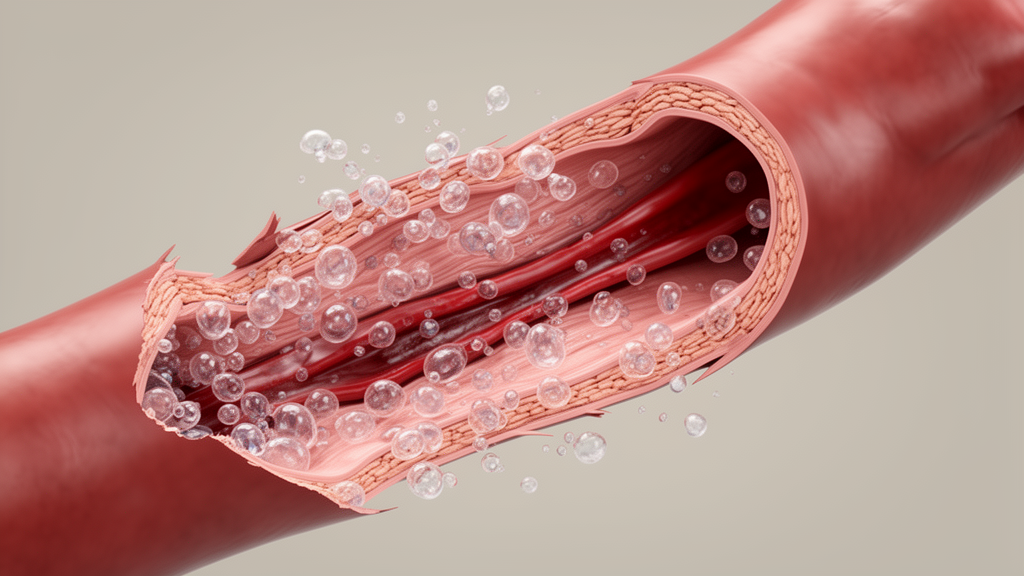
Aortic dissection is an acute cardiovascular emergency in which an intimal tear allows blood to enter the medial layer and form a false lumen. The abstract associates this process with destabilization of the aortic wall, impaired organ perfusion and an increased risk of rupture. It further characterizes the disease as a complex pathological process rather than solely a consequence of hemodynamic injury, with vascular smooth muscle cell loss, phenotypic remodeling, extracellular matrix degradation, inflammatory amplification and redox imbalance identified as important features.
The available abstract states that the publication is a review summarizing the mechanistic roles of programmed cell death in aortic dissection and integrating those insights with emerging strategies for early diagnosis and precision treatment. The authors attribute the broader understanding of disease initiation and progression to continued advances in multi-omics sequencing technologies. The supplied evidence is limited to the abstract, so it does not provide enough detail to assess the full review’s included studies, specific molecular pathways, proposed biomarkers or the development status of individual therapeutic strategies.
According to the abstract, current clinical management of aortic dissection centers on rapid imaging-based diagnosis and timely standardized intervention. It lists intensive control of blood pressure and heart rate, open surgical repair and endovascular repair as central components of care. Although mechanistic evidence has advanced, the review identifies a gap between this research and clinical translation. The abstract supports the conclusion that targeted approaches addressing defined cell-death pathways remain an emerging research area, but it does not report completed clinical trials or establish that such interventions improve outcomes in patients.
Subject of Research: A review of programmed cell death mechanisms and clinical translation in aortic dissection
Article Title: Molecular mechanisms of programmed cell death in aortic dissection and advances in clinical translation
Article References: Pan, Q., Gao, Y., Xu, C., & Xu, Z. (2026). Molecular mechanisms of programmed cell death in aortic dissection and advances in clinical translation. Molecular Biology Reports, 53(1), Article 1560. https://doi.org/10.1007/s11033-026-12538-8
Image Credits: AI Generated
DOI: 10.1007/s11033-026-12538-8
Keywords: aortic dissection, programmed cell death, vascular smooth muscle cells, extracellular matrix, oxidative stress, mitochondrial dysfunction, matrix metalloproteinases, precision medicine, clinical translation, Molecular, mechanisms, programmed
News Source: Drew Townsend. (October 20, 2026). Molecular mechanisms of programmed cell death in aortic dissection and advances in clinical translation. Scienmag.