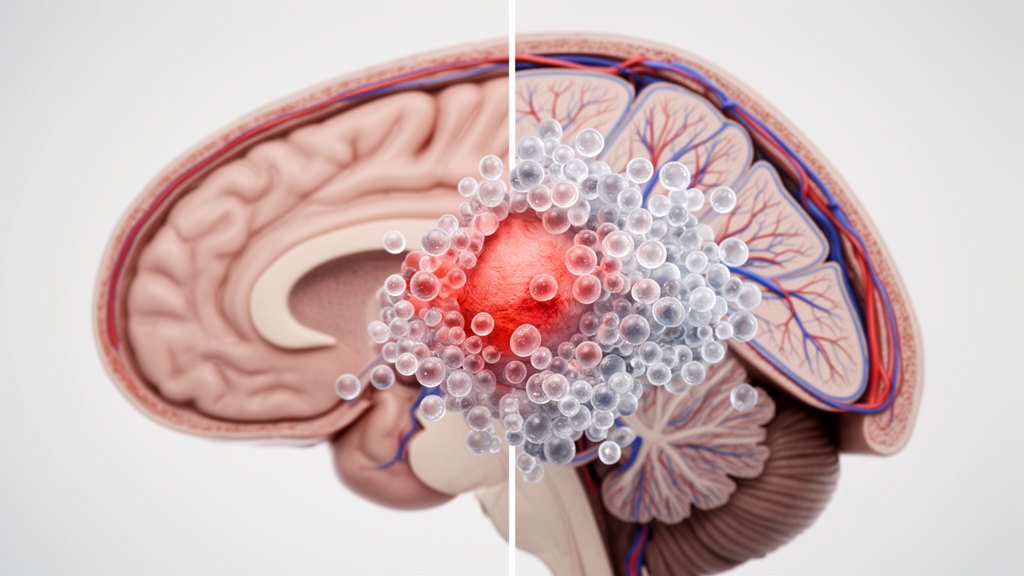
A new single-cell atlas called StrokeTime provides an integrated view of how mouse brain cells change after ischemic stroke, from the first hours of injury through chronic remodeling. Researchers combined publicly available single-cell RNA-sequencing data from 21 studies, producing an atlas of 414,359 cells from 103 samples. The analysis identifies 17 major cell classes and resolves finer transcriptional states within myeloid, vascular, lymphoid, glial and neuronal populations. Samples were grouped into hyperacute (1–12 hours), acute (1–3 days), subacute (4–7 days) and chronic (at least 14 days) phases, alongside naive, sham-operated and contralateral-hemisphere controls. The resource is designed to reveal how injury-linked programs emerge, change in relative abundance and diversify across brain compartments over time.
The most pronounced shifts occurred in myeloid cells, especially microglia and monocyte-derived cells, followed by neutrophils, border-associated macrophages and dendritic cells. Microglia under control conditions were dominated by homeostatic and immediate-early-gene states, but the homeostatic fraction fell by roughly half in the hyperacute phase while inflammatory microglia expanded more than twofold. By the acute phase, disease-associated, oxidative-phosphorylation and proliferative states became more frequent. The integrated analysis also found that Serpine1, which encodes plasminogen activator inhibitor-1, was expressed predominantly in microglia rather than primarily in astrocytes, contrasting with the distribution reported in some earlier stroke studies. These are relative frequencies derived from integrated sequencing data, not direct measurements of whole-brain cell abundance.
Resident microglia, border-associated macrophages and infiltrating monocyte-derived macrophages converged on a shared disease-associated signature containing genes such as Spp1, Gpnmb, Fabp5, Apoe and Lgals3. The atlas separated this signature into two temporal branches. DAM1 states peaked earlier and were enriched for lipid-associated and lysosomal programs, whereas DAM2 states expressed more Apoe and became more prominent during subacute and chronic phases. Border-associated macrophages followed a similar sequence: an acute injury-associated state gave way to a later state enriched for lysosomal enzymes and tissue-remodeling genes. In monocyte-derived cells, early inflammatory clusters shifted toward “clean-up,” tissue-remodeling and immunomodulatory programs as time after stroke increased. The authors interpret these trajectories as evidence of continuous macrophage plasticity, but the functional roles of the states remain to be tested experimentally.
Peripheral immune cells showed more lineage-constrained responses. Fifteen thousand nine hundred fifty-nine neutrophils separated into precursor, homeostatic, inflammatory, interferon-stimulated and phagocytic clusters. Homeostatic neutrophils predominated in controls and the hyperacute phase, whereas inflammatory neutrophils increased markedly during acute, subacute and chronic stages. Smaller interferon-responsive and phagocytic populations became more prevalent in chronic samples. Dendritic-cell frequencies changed little overall, although monocyte-derived and interferon-stimulated conventional type 2 dendritic-cell signatures were prominent early, while activated, migratory and conventional type 1 programs were stronger later. The study also projects the neutrophil states onto an external reference atlas and finds that the inflammatory cluster overlaps with immunosuppressive programs reported in gut, liver, lung and tumor neutrophils.
Lymphocytes retained clearer lineage identities while undergoing selective activation. The atlas identified 12,946 T cells, including naive, activated and regulatory CD4 subsets, tissue-resident, effector, activated, immediate-early and exhausted CD8 states, as well as NKT and gamma-delta T-cell clusters. After stroke, regulatory T cells, gamma-delta T cells and interferon-responsive T cells expanded, while the naive CD4 fraction declined. Natural killer cells separated into tissue-resident, effector and proliferating states, and the transcriptional pattern was consistent with a shift toward tissue residency along pseudotime. Innate lymphoid type 2 cells became less frequent. Among 4,064 B cells, most frequencies were stable, but regulatory B-cell and age-associated B-cell signatures became more prominent in chronic samples, and plasma cells were concentrated mainly in that phase.
Vascular cells revealed another coordinated sequence. Capillary arterial and capillary venous endothelial states declined during the hyperacute period, while reactive and inflammatory venous subsets expanded. An angiogenic endothelial population, marked by migration and extracellular-matrix-remodeling genes, was especially enriched in the subacute phase and overlapped with a venous signature. The authors therefore identify venous endothelial cells as a possible major source of post-stroke neovascular sprouting, while stopping short of establishing that functional role. Pericytes shifted from oxidative, leukocyte-recruitment and barrier-related programs in the hyperacute and acute phases toward a fibrotic program containing Col1a1, Col3a1, Col1a2, Fn1, Lum and Dcn during the subacute phase. Smooth muscle cells likewise moved from inflammatory and stress activation toward extracellular-matrix remodeling, with reduced contractile-gene expression.
Fibroblasts and macroglia displayed related but compartment-specific programs. Three fibroblast groups were assigned to arachnoid-dural, pia-perivascular and choroid-plexus locations. Their overall frequencies remained stable, but acute and subacute samples showed expression of myofibroblast-associated genes including Cthrc1, Acta2, Lrrc15 and Postn, along with a stronger extracellular-matrix program. Astrocytes shifted from homeostatic and oxidative-phosphorylation states toward reactive and scar-forming subsets in the acute phase; the scar state included Cd44 and Osmr, while reactive astrocytes expressed Gfap, inflammatory markers and proliferation genes. Trophic and extracellular-matrix astrocyte states became more pronounced in chronic samples. Because only peri-infarct tissue was collected in the photothrombosis model, its very large reactive-astrocyte fraction cannot be compared directly with the broader sampling used in other models.
Oligodendrocyte trajectories suggested a restricted window for differentiation-associated activity. Precursor and committed precursor states were uncommon, while transitioning oligodendrocytes became prominent at different times: an early transition state was enriched during the hyperacute and acute phases, and a later transition state persisted into the subacute period. These profiles were consistent with early remyelination-related transcription peaking around one week after injury. Mature homeostatic oligodendrocytes remained dominant overall, but inflammatory and disease-associated states were detected, with the latter more frequent in acute samples from aged mice and proportionally more common in males than females. Neuron numbers were insufficient for reliable subacute analysis, and the available profiles showed reduced excitatory, mixed and striatal programs after stroke alongside more prominent inhibitory and neuroblast modules in chronic samples.
The atlas has important constraints. About one-third of the contributing studies used targeted cell sorting or enrichment, so the resource cannot establish absolute changes in cell-class abundance; interpretations must be limited to relative composition where sampling permits. Most cells came from young male mice, limiting conclusions about females, older animals, other genetic backgrounds and comorbid conditions. The datasets also span transient and permanent middle cerebral artery occlusion models and photothrombosis, which differ in injury location and severity. In addition, immediate-early and stress-response clusters may partly reflect ex vivo tissue handling or dissociation, and single-nucleus datasets were excluded, potentially omitting fragile neuronal and glial populations. The findings are computational and require independent experimental validation.
Despite those limitations, StrokeTime offers a common framework for tracing post-stroke biology across cell lineages rather than examining isolated markers or individual time points. The atlas and its data-mining tools are publicly available, while the processed gene-by-cell matrices and metadata have been deposited in GEO under accession GSE337349 and the analysis code in a public GitHub repository. Its central descriptive pattern is a shift from acute inflammatory, stress and debris-clearance states toward later matrix remodeling, vascular adaptation and tissue-remodeling programs. Whether those coordinated trajectories represent causal drivers of recovery or repair, protective responses, maladaptive chronic inflammation or parallel features of injury will require spatial, functional, epigenetic and proteomic follow-up in diverse experimental populations.
Subject of Research: A longitudinal single-cell atlas of cellular responses to ischemic stroke in mouse brain
Article Title: StrokeTime : A comprehensive longitudinal scRNA-seq atlas of the ischemic mouse brain
Article References: Anrather, J., & Garcia-Bonilla, L. (2026). StrokeTime: A comprehensive longitudinal scRNA-seq atlas of the ischemic mouse brain. iScience, 29(11), Article 117938. https://doi.org/10.1016/j.isci.2026.117938
Image Credits: AI Generated
DOI: 10.1016/j.isci.2026.117938
Keywords: ischemic stroke, single-cell RNA sequencing, mouse brain, transcriptomics, neuroinflammation, microglia, vascular remodeling, brain atlas, immune cells, glial scar, StrokeTime, comprehensive
News Source: Cassandra Pierce. (October 20, 2026). StrokeTime maps cellular responses across the mouse brain’s stroke timeline. Scienmag.