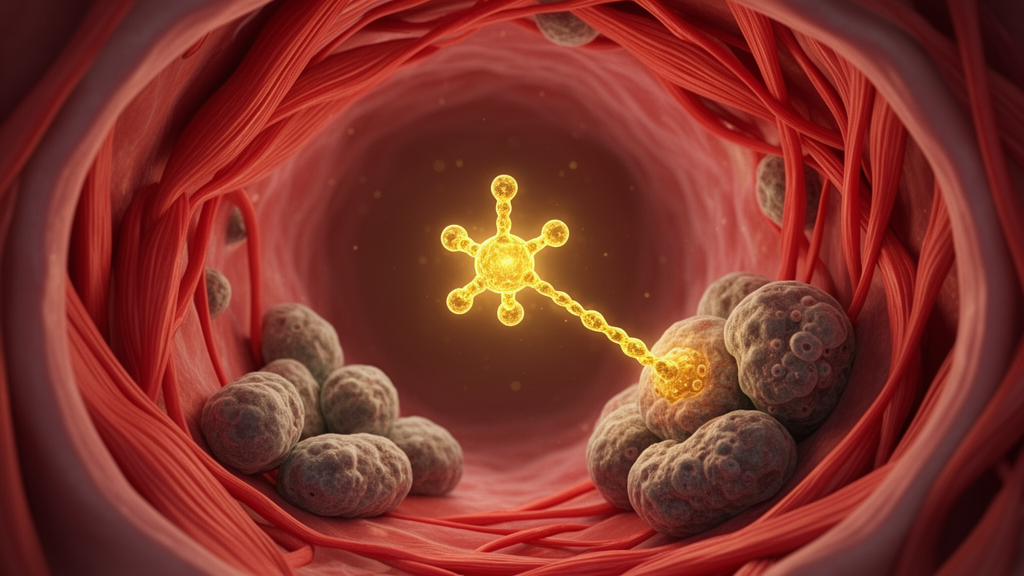
Heart failure remains one of medicine’s most stubborn challenges, and a new review argues that the missing piece of the puzzle may lie in an unexpected place: the biology of aging itself. Writing in Frontiers in Molecular Medicine, researchers from Poland present a detailed case that sirtuin 1, an enzyme long studied in longevity research, sits at the very center of the relationship between cellular senescence and the progressive decline of the failing heart. Their synthesis suggests that targeting this single molecule could reshape how clinicians approach a disease that affects tens of millions of people worldwide.
The scale of the problem is difficult to overstate. The global economic burden of heart failure reached an estimated 284.17 billion dollars in 2021, split almost evenly between direct medical expenses and indirect costs such as lost productivity. Up to 80 percent of patients experience repeated hospital admissions, and the five-year mortality rate hovers near 50 percent. Despite decades of progress in neurohormonal blockade and guideline-directed therapy, outcomes for many patient subgroups, particularly those with preserved ejection fraction, remain disappointingly static. The authors argue that this therapeutic plateau reflects an incomplete understanding of the molecular machinery driving the syndrome.
Cellular senescence offers one of the most compelling explanations for that gap. Senescent cells have permanently exited the cell cycle yet remain metabolically active, and they accumulate steadily in aging and stressed cardiac tissue. Rather than simply idling, these cells adopt what biologists call the senescence-associated secretory phenotype, or SASP, flooding their surroundings with pro-inflammatory cytokines, chemokines, growth factors, and proteases. This chronic inflammatory milieu damages neighboring cells, promotes fibrosis, disrupts mitochondrial function, and triggers secondary senescence in previously healthy cardiac cells, creating a self-perpetuating cycle of tissue deterioration.
The consequences for cardiac function are specific and measurable. Senescent cardiomyocytes suffer mitochondrial damage, impaired contractility, and metabolic dysfunction, all of which reduce cardiac output and produce the fatigue and exercise intolerance characteristic of heart failure. Senescent endothelial cells and the loss of microvasculature compromise coronary blood flow and oxygen delivery, worsening shortness of breath, angina-like discomfort, and fluid retention. Meanwhile, senescence-driven activation of fibroblasts and abnormal extracellular matrix remodeling stiffen the ventricles, a hallmark particularly of heart failure with preserved ejection fraction. Clinical studies have linked senescence markers to worse outcomes in both ischemic and non-ischemic cardiomyopathies.
Enter sirtuin 1, or SIRT1, a NAD+-dependent class III histone deacetylase encoded on chromosome 10. SIRT1 removes acetyl groups from specific histone lysines, including H3K9ac, H3K14ac, and H4K16ac, compacting chromatin and suppressing transcription at targeted loci. It also deacetylates non-histone regulators such as NF-κB, p53, FOXO transcription factors, and PGC-1α, weaving together control of inflammation, stress resistance, DNA repair, and metabolism. Because its enzymatic activity depends directly on intracellular NAD+ levels, SIRT1 functions as a metabolic sensor, translating the cell’s energy state into epigenetic instructions.
Within the cardiovascular system, SIRT1 is expressed most abundantly in endothelial cells, where it supports nitric oxide production, antioxidant defenses, and angiogenesis while inhibiting endothelial senescence and atherosclerotic progression. In cardiomyocytes, moderate SIRT1 activity activates PGC-1α to drive mitochondrial biogenesis and efficient oxidative phosphorylation, deacetylates p53 and FOXO3a to limit apoptosis, and restrains hypertrophic signaling through the AKT-MTOR and NF-κB pathways while boosting AMPK-dependent metabolic reprogramming. Reduced SIRT1 activity, common in aging, diabetes, obesity, and chronic inflammation, dismantles these protections, elevating reactive oxygen and nitrogen species, damaging mitochondrial DNA, and enhancing TGF-β/SMAD-driven fibrosis.
Yet the relationship is strikingly nonlinear. Mouse studies reveal that SIRT1 behaves as a hormetic regulator, beneficial only within a narrow window. Overexpression at 2.5 to 7.5 times normal levels enhances FOXO-dependent antioxidant enzymes such as catalase and preserves contractile function. But at approximately 12.5-fold overexpression, basal oxidative stress rises, apoptosis and hypertrophy increase, and dilated cardiomyopathy develops, accompanied by mitochondrial depletion and disturbed fatty acid metabolism. Supraphysiologic SIRT1 broadens its deacetylation to many targets, repressing fatty acid oxidation programs and impairing mitochondrial respiration. Too little SIRT1 and too much are both harmful; only the optimal range protects.
Perhaps the most provocative finding the review highlights is that senescence actively destroys SIRT1. Under stress-induced premature senescence, the cell-cycle-regulated ubiquitin ligase complex APC/C-Cdh1 tags SIRT1 for proteasomal degradation, while the protein AROS can competitively prevent this loss. This degradation amplifies SASP gene expression, including interleukin-1 and interleukin-6, feeding the inflammatory fire. Cardiac stress compounds the problem: checkpoint kinase 1 normally phosphorylates SIRT1 at threonine 530, shielding it from SMURF2-mediated ubiquitination, and loss of this protection accelerates mitochondrial dysfunction after ischemia-reperfusion injury. Doxorubicin chemotherapy offers another example, inducing the senescence-associated microRNA miR-34a, which directly represses SIRT1 and activates p66Shc signaling, driving cardiomyocyte death and senescence.
These mechanisms carry immediate therapeutic implications. SGLT2 inhibitors such as empagliflozin and dapagliflozin, now cornerstone heart failure drugs, trigger a fasting-mimicry metabolic state that activates the SIRT1, PGC-1α, and FGF21 axis, promoting autophagy and reducing oxidative stress. Conventional neurohormonal therapies, including ACE inhibitors, ARBs, ARNI, and beta blockers, indirectly reduce the oxidative and inflammatory burdens that SIRT1 also counters, suggesting that SIRT1-based interventions could complement standard care. NAD+ boosters such as nicotinamide riboside and nicotinamide mononucleotide, along with caloric restriction and exercise, may restore SIRT1 activity depleted by aging. Senolytic drugs that clear senescent cells and senomorphics that suppress SASP represent parallel strategies that could pair naturally with SIRT1 modulation.
Significant questions remain before these ideas reach the clinic. Researchers still do not know whether SIRT1 decline precedes senescence or results from it, which cardiac compartment initiates the cascade in different heart failure phenotypes, or whether SIRT1 activation might paradoxically sustain dysfunctional senescent cardiomyocytes in late-stage disease. Most evidence derives from rodent and cellular models, no reliable biomarker of cardiac SIRT1 activity exists in humans, and current SIRT1 activators suffer from poor pharmacokinetics. Single-cell and spatial multi-omics mapping of SIRT1 expression, NAD+ levels, and senescence markers across human heart tissue may resolve these uncertainties. What is already clear, the authors conclude, is that the SIRT1-senescence axis is no longer peripheral to cardiology; it is a central driver of heart failure pathogenesis and a promising target for the next generation of therapies.
Subject of Research: The role of sirtuin 1 in linking cellular senescence to heart failure pathogenesis and therapy
Article Title: Sirtuin 1 is a key molecular link between cellular senescence and heart failure
Article References: Krekora, J., Drożdż, J., & Blasiak, J. (2026). Sirtuin 1 is a key molecular link between cellular senescence and heart failure. Frontiers in Molecular Medicine, 6, Article 1818104. https://doi.org/10.3389/fmmed.2026.1818104
Image Credits: AI Generated
DOI: 10.3389/fmmed.2026.1818104
Keywords: sirtuin 1, cellular senescence, heart failure, SASP, mitochondrial dysfunction, NAD+, senolytics, senomorphics, cardiac aging, endothelial dysfunction, SGLT2 inhibitors, cardiomyocytes
News Source: Beatrice Stafford. (October 16, 2026). Sirtuin 1 emerges as the molecular switch linking cellular senescence to heart failure. Scienmag.