Two of the most dangerous growth patterns in prostate cancer have long been hiding in plain sight, and a major new review argues that the medical community can no longer afford to overlook them. Writing in Nature Reviews Urology, an international team of pathologists and urologists led by Rui M. Bernardino of the Cleveland Clinic and Riccardo Autorino synthesizes decades of evidence on intraductal carcinoma of the prostate (IDC) and invasive cribriform carcinoma, two closely related morphologies that frequently coexist and that are independently linked to adverse pathology, early metastasis and death from prostate cancer. The review’s central message is stark: these patterns are common in intermediate- and high-risk disease, yet they remain under-recognized and inconsistently reported, contributing to undergrading and to potentially inappropriate selection of patients for de-escalation strategies such as active surveillance or focal therapy.
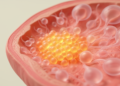
The distinction between the two entities is anatomical and precise. Intraductal carcinoma of the prostate grows within pre-existing ducts and acini of the prostate, filling these spaces with malignant cells while retaining the layer of basal cells that lines normal glands. Invasive cribriform carcinoma, by contrast, breaks through into the surrounding stromal tissue and lacks those basal cells entirely. Both share a cribriform, or sieve-like, architecture in which nests of tumour cells are punctuated by round lumina, giving the tissue a characteristic perforated appearance under the microscope. Despite their histological differences, the two patterns are so frequently found together, and share such overlapping adverse biological features, that many researchers now regard them as points along a single aggressive continuum rather than as unrelated phenomena.
The clinical consequences of missing these patterns are substantial. Multiple studies reviewed by the authors show that IDC and invasive cribriform carcinoma are independently associated with cancer recurrence, metastasis and disease-specific mortality, even after accounting for grade group and stage. In Gleason score 7 tumours, the presence of cribriform growth has been shown to be highly predictive of postoperative metastasis and disease-specific death, and a secondary analysis of the landmark PROTECT trial found that outcomes for cribriform-positive men under active monitoring differed meaningfully from those of cribriform-negative patients. Yet a recent survey of tertiary referral institutions suggests that these so-called unconventional histologies are substantially under-reported, meaning that risk stratification tools, nomograms and clinical decision algorithms may systematically underestimate the aggressiveness of a subset of tumours that behave worst.
Perhaps the most troubling finding concerns detection. According to the review, biopsy identifies cribriform or intraductal patterns in only about half of the men who are subsequently found to harbour them at radical prostatectomy. This is not simply a matter of sampling error at the margins of a lesion; the discrepancy persists even in modern series using extended biopsy schemes. Magnetic resonance imaging-targeted sampling, which has transformed the detection of clinically significant prostate cancer more broadly, does not reliably close this gap. A systematic review and meta-analysis of multiparametric MRI found only modest diagnostic accuracy for unconventional histology, and studies of MRI-visible versus MRI-invisible tumours suggest that the molecular hallmarks of imaging visibility do not align neatly with cribriform biology. In other words, a man with a reassuring MRI and a grade group 2 biopsy may still be nursing an undetected cribriform component that changes everything about his prognosis.
Advanced imaging offers only partial consolation. Prostate-specific membrane antigen (PSMA) positron emission tomography combined with computed tomography provides indirect correlates of aggressive morphology and can improve staging, but it cannot directly determine tumour architecture. Intriguingly, research from Bernardino and colleagues has shown that intraductal carcinoma is overrepresented among patients with no PSMA uptake pattern on PET despite high-grade disease, exposing a genuine blind spot in molecular imaging. Other work has documented a lymphotropic pattern of metastatic spread among patients with cribriform disease, with PSMA-detected metastases preferentially involving lymph nodes. These findings suggest that neither MRI nor PSMA PET can substitute for pathological recognition of these morphologies, and that clinicians should treat a negative imaging study with caution when other features raise suspicion.
Beneath the microscope, these tumours carry a distinctive molecular fingerprint that helps explain their behaviour. Genomic studies have shown that cribriform and intraductal cancers are enriched for genomic instability, loss of the tumour-suppressor gene PTEN, and alterations in DNA-damage-repair genes, including associations with BRCA2 mutation. Single-cell analyses have revealed both cell-intrinsic and microenvironmental pathways of aggressive disease, and transcriptomic work has linked the subpathologies to dysregulation of drivers such as SChLAP1. Just as striking is the tumour microenvironment: cribriform prostate cancers are associated with immunologically cold niches, rich in fibroblasts and poor in infiltrating immune cells, a configuration that in other cancers has been associated with resistance to immunotherapy. Molecular evidence also supports a model in which invasive adenocarcinoma can colonize ducts in a retrograde fashion, and spatial mapping studies have documented intraductal-to-invasive transitions, giving rise to what the authors describe as a repetitive invasion, precursor progression model of intraductal carcinogenesis.
This biology has therapeutic implications, although the review is careful to draw a firm line between hypothesis and evidence. The enrichment for DNA-damage-repair alterations provides a rationale for evaluating PARP inhibitors, which have already shown benefit in metastatic castration-resistant prostate cancer in trials of olaparib. PTEN loss motivates interest in AKT pathway inhibition, exemplified by the phase III CAPItello-281 trial of capivasertib plus abiraterone in PTEN-deficient metastatic hormone-sensitive disease. Expression of B7-H3, also known as CD276, and of PSMA in intraductal carcinoma raises the possibility of targeting these antigens with antibody-drug conjugates or radioligand therapies such as lutetium-177 PSMA-617. However, the authors emphasize that no study has yet established that IDC or invasive cribriform morphology alone predicts benefit from any of these treatments. Morphology may flag a tumour worth testing molecularly, but it is not itself a validated predictive biomarker.
The treatment implications for localized disease are more immediately actionable. The review states plainly that known IDC or invasive cribriform carcinoma is generally a poor indication for active surveillance, and that focal therapy should be approached with caution. Because biopsy so often underestimates the extent and grade of these tumours, a patient selected for hemigland ablation on the basis of a favourable biopsy may in fact harbour multifocal, high-volume cribriform disease. Studies have shown that cribriform pattern and perineural invasion on fusion biopsy predict failure of selection criteria for prostatic hemigland ablation. Conversely, for patients undergoing definitive treatment, the presence of these morphologies should prompt consideration of treatment intensification, including extended pelvic lymph node dissection in surgical candidates, since cribriform architecture on needle biopsy is a strong independent predictor of lymph node metastasis.
Neoadjuvant data add a further layer of complexity. Retrospective analyses of prospective trials have found that intraductal carcinoma predicts poor response to neoadjuvant therapy in high-risk prostate cancer, and experimental work has shown that intraductal carcinoma can evade androgen deprivation with the emergence of castrate-tolerant cells. Genomic studies of tumours treated with intense hormonal therapy suggest that nascent heterogeneity drives evolution and resistance, with subclonal oncogenic alterations surviving the selective pressure of treatment. This may help explain why patients with IDC fare worse despite escalating systemic therapy, and it underscores the need for morphology-informed stratification in the design of neoadjuvant trials, several of which, including studies of apalutamide and darolutamide before surgery, are currently underway.
The review closes with a call for rigor that is as much about pathology reporting as it is about biology. Consensus definitions of cribriform pattern and of intraductal carcinoma have been established by the International Society of Urological Pathology and the Genitourinary Pathology Society, and interobserver reproducibility studies show that adherence to standardized criteria improves diagnostic consistency. The authors argue that explicit reporting of these morphologies in every pathology report, together with prospective morphology-informed clinical studies, is essential for accurate risk stratification, rational use of active surveillance and focal approaches, and the design of biomarker-driven trials for this aggressive disease subset. For a disease in which hundreds of thousands of men each year face decisions between watching and treating, the sieve-like patterns that pathologists see under the microscope may prove to be among the most consequential details in modern urological oncology.
Subject of Research: The role of cribriform and intraductal carcinoma morphologies in prostate cancer risk stratification and treatment decision-making
Article Title: Cribriform and intraductal carcinoma in prostate cancer — implications for risk stratification and therapeutic decision-making
Article References: Bernardino, R. M., Lobo, J., Schwen, Z., van der Kwast, T., Weiner, A. B., Reiter, R. E., Nguyen, J. K., Lima, E., Stein, R., Soputro, N., Ghandour, R., Beksac, A. T., Daher, K., Leão, R., Gonzalgo, M. L., van den Bergh, R., Garisto, J., Marra, G., Le Guévelou Kammerer, J., … Autorino, R. (2026). Cribriform and intraductal carcinoma in prostate cancer — implications for risk stratification and therapeutic decision-making. Nature Reviews Urology. https://doi.org/10.1038/s41585-026-01189-w
Image Credits: AI Generated
DOI: 10.1038/s41585-026-01189-w
Keywords: prostate cancer, intraductal carcinoma, cribriform carcinoma, pathology, biopsy, risk stratification, active surveillance, PSMA PET, PTEN, DNA damage repair, PARP inhibitors, tumor microenvironment
News Source: Nathaniel Bowman. (October 9, 2026). Hidden Prostate Cancer Patterns That Predict Deadly Disease Are Being Missed in Biopsies. Scienmag.