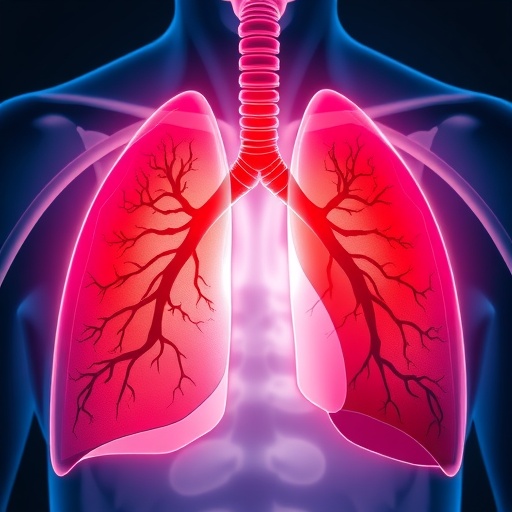
Lung cancer surgery represents a critical intervention for patients diagnosed with one of the most lethal cancers worldwide. For older adults, particularly those aged between 60 and 80, the postoperative journey often involves complex recovery patterns marked by respiratory symptoms such as dyspnea and cough. These symptoms are more than mere discomforts; they are significant clinical indicators that impact quality of life, functional status, and long-term outcomes for these patients. A recent longitudinal study by Lin, Yu, Pan, and colleagues delves deeply into the nuanced trajectories of these respiratory symptoms over a six-month period following lung cancer surgery, offering groundbreaking insights that could reshape postoperative care and rehabilitation strategies for the elderly.
Understanding the post-surgical respiratory symptom landscape is paramount as dyspnea and cough are among the most distressing and persistent complaints within this patient demographic. Dyspnea, or shortness of breath, is not merely a subjective feeling of breathlessness but reflects underlying pathophysiological changes in lung mechanics, gas exchange efficiency, and muscular function. Cough, although commonly viewed as a defensive reflex, can become chronic and debilitating in the postoperative phase, contributing not only to physical discomfort but also to psychological distress and social isolation. The longitudinal nature of this study provides exceedingly rare temporal resolution of these symptoms, allowing researchers to observe patterns rather than isolated snapshots.
The study encompassed a cohort of elderly patients who underwent lung cancer resection surgeries of varying types and extents. Over the ensuing six months, the research team rigorously tracked the intensity, frequency, and progression of dyspnea and cough using validated clinical scales and patient-reported outcome measures. This approach ensured a granular, patient-centered perspective that aligns with contemporary emphases on quality of life and personalized medicine. Remarkably, the researchers identified distinct trajectory patterns among patients, illuminating heterogeneity that challenges the “one-size-fits-all” approach historically applied to postoperative care.
One of the most compelling findings was the identification of divergent recovery trajectories. Some patients demonstrated rapid improvement within the initial postoperative weeks, aligning with expectations of surgical recovery and pulmonary rehabilitation protocols. Others, however, exhibited prolonged and even worsening symptoms, with dyspnea intensifying despite standard care. This subset of patients often experienced fluctuating cough severity, leading to a compounding impact on sleep quality and psychological well-being. By classifying patients based on these patterns, the study underscores the need for dynamic and adaptive intervention frameworks.
From a technical perspective, the study harnessed sophisticated statistical modeling techniques, including latent class growth analysis, to categorize the trajectory groups. This method facilitated a nuanced understanding of symptom evolution, accounting for variability in baseline pulmonary function, comorbidities, surgical variables, and demographic factors. Such comprehensive data integration is critical when dealing with heterogeneous elderly populations, where multiple interacting health determinants influence recovery processes. Importantly, this analytic rigor elevates the findings beyond descriptive epidemiology to actionable clinical phenotypes.
Another pivotal aspect explored was the interplay between physiological impairments and psychosocial factors. The research illuminated how persistent dyspnea and cough are inextricably linked to decreased physical activity levels, leading to deconditioning—a vicious cycle that potentiates further symptom exacerbation. Additionally, anxiety and depression were frequently co-occurring conditions that not only worsened perceived symptom burden but also diminished adherence to rehabilitation regimens. This multidimensional insight advocates for integrated care models that simultaneously address physical and mental health facets.
Clinicians reading this study will find its implications profound. Current postoperative care protocols often emphasize early mobilization and pulmonary rehabilitation, yet may fall short of addressing long-term symptom trajectories. This investigation champions prolonged and personalized follow-up, stratified by risk profiles discerned through trajectory patterns. For example, patients displaying early signs of persistent dyspnea might benefit from intensified respiratory therapy, bronchodilator trials, or novel interventions aimed at lung tissue repair and remodeling. Likewise, chronic cough management could incorporate emerging pharmacological agents targeting neurogenic cough pathways.
The study also resonates with the ongoing shift toward patient-reported outcomes (PROs) as indispensable tools in clinical practice and research. By integrating PROs into longitudinal monitoring, healthcare providers can capture symptom dynamics that traditional lung function tests and imaging may overlook. This paradigm enhances clinician-patient communication and empowers patients to actively engage in their recovery. Moreover, it enables proactive identification of deteriorating trajectories before functional decline becomes irreversible.
Advancements in digital health technologies offer intriguing avenues to operationalize these findings. Wearable respiratory monitors, mobile health apps for symptom tracking, and telemedicine platforms could facilitate real-time surveillance of dyspnea and cough. Such technology-driven approaches would allow healthcare teams to tailor interventions swiftly and potentially prevent hospital readmissions, a frequent and costly complication in this vulnerable population. The study by Lin et al. paves the way for integrating such innovations within a robust scientific framework.
At the molecular and cellular level, the mechanisms driving the persistence or resolution of postoperative respiratory symptoms remain poorly understood. However, this research raises hypotheses related to sustained inflammatory responses, nerve injury, and impaired lung regeneration in older adults. Identifying biomarkers associated with distinct symptom trajectories might provide predictive insights and therapeutic targets. Consequently, the study serves as a clarion call for multidisciplinary research that bridges clinical observation with bench-side exploration.
The implications of these findings extend beyond lung cancer surgery to other thoracic surgeries and chronic respiratory conditions prevalent in geriatric medicine. The methodologies and conceptual frameworks applied by Lin and colleagues could inform symptom management strategies across a spectrum of diseases that compromise pulmonary function in the elderly. As populations age globally, optimizing post-surgical respiratory care will become increasingly essential to preserve independence and quality of life in older adults.
Importantly, this research addresses a gap in the literature where older adults have historically been underrepresented in clinical studies, despite bearing a disproportionate burden of lung cancer morbidity and mortality. By focusing specifically on this age group and employing longitudinal design, the study enhances the relevance and applicability of its conclusions to real-world clinical settings. This focus aligns with the broader geriatric oncology movement aiming to tailor cancer treatments according to the unique vulnerabilities of older patients.
The authors acknowledge limitations, including a relatively homogenous sample in terms of ethnicity and geographic location, which may affect generalizability. Additionally, the six-month follow-up period, while extensive, leaves questions about longer-term symptom trajectories unanswered. Future research will need to address these gaps and explore interventions that can modulate or mitigate these trajectories. Nonetheless, the current study marks a seminal advance in understanding the complex recovery landscape after lung cancer surgery.
In conclusion, the detailed mapping of dyspnea and cough trajectories in older adults after lung cancer surgery unveils critical insights into symptom heterogeneity, underlying mechanisms, and clinical implications. This work strongly advocates for personalized, multidimensional approaches that integrate physiological, psychological, and technological innovations. As the medical community grapples with the challenges of an aging population and rising cancer incidence, studies like this provide essential blueprints to enhance postoperative care and ultimately improve survival and life quality for elderly lung cancer survivors.
Subject of Research: Respiratory symptom trajectories (dyspnea and cough) in older adults following lung cancer surgery.
Article Title: Dyspnea and cough trajectories in older adults (aged 60–80 years) after lung cancer surgery: a 6-month longitudinal study.
Article References:
LIN, R., Yu, G., Pan, X. et al. Dyspnea and cough trajectories in older adults (aged 60–80 years) after lung cancer surgery: a 6-month longitudinal study. BMC Geriatr (2026). https://doi.org/10.1186/s12877-026-07836-6
Image Credits: AI Generated
Tags: chronic cough after lung cancer treatmentdyspnea after lung surgeryelderly patient respiratory outcomesfunctional status post lung resectionlong-term lung surgery care strategieslongitudinal study on lung surgery recoverylung cancer surgery recoverymanaging breathlessness in post-surgical patientspostoperative respiratory symptoms in elderlypsychological impact of chronic coughquality of life after lung cancer surgeryrespiratory function rehabilitation