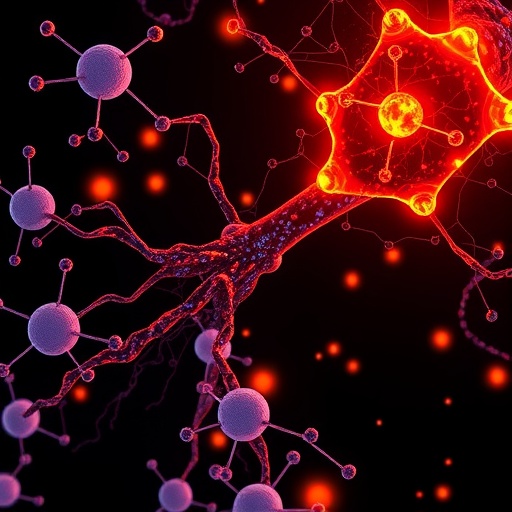
In the ever-evolving landscape of cancer treatment, researchers have turned their attention to a less conventional yet crucial element of cellular biology: mitochondria. Mitochondria, often dubbed the powerhouses of the cell, play a pivotal role in energy production, cellular metabolism, and apoptosis, making them promising targets for innovative cancer therapies. Recent studies suggest that by modulating mitochondrial homeostasis, we might develop effective strategies to combat various forms of cancer, leading to an exhilarating paradigm shift in oncology.
The importance of mitochondrial function in maintaining cellular health cannot be overstated. These organelles are not merely energy producers; they are also central to key metabolic pathways and are vital players in regulating cell death. In cancer cells, mitochondrial dysfunction often leads to metabolic reprogramming that supports rapid proliferation, making the restoration of mitochondrial health an appealing avenue for intervention. Scientists have proposed that cancer cells exhibit distinct mitochondrial dynamics that can be targeted for therapeutic benefit.
Current research has established a compelling connection between mitochondrial dysfunction and the hallmarks of cancer. Cancer cells frequently exhibit altered mitochondrial morphology and dynamics, characterized by excessive fragmentation and impaired mitochondrial biogenesis. This dysfunction is implicated in promoting the Warburg effect, where cancer cells preferentially utilize glycolysis over oxidative phosphorylation to fuel their growth. By restoring normal mitochondrial function, researchers believe we can substantially impair cancer cell viability and potentially enhance the efficacy of existing therapies.
Targeting mitochondrial homeostasis also opens up avenues for combination therapies. By integrating mitochondrial-targeted interventions with conventional therapies such as chemotherapy and immunotherapy, researchers can create a multispectral approach to combatting cancer. This synergy—leveraging the unique properties of mitochondria—could help overcome resistance mechanisms that often hinder treatment success. Moreover, the innovative strategies being explored emphasize the need for precision medicine tailored to the metabolic profiles of individual tumors.
Another intriguing aspect of this research is the potential to harness mitochondrial dynamics to influence tumor microenvironments. Tumors are comprised not just of cancer cells but also of various non-cancerous cells, including immune cells, fibroblasts, and endothelial cells. By targeting mitochondrial pathways, researchers aim to manipulate these interactions, potentially dampening tumor growth and metastasis. This approach could also enhance the effectiveness of immunotherapies by fostering a more favorable immune environment in and around tumors.
Recent studies have elucidated several promising compounds capable of restoring mitochondrial function in cancer cells. Some of these agents, such as mitochondrial-targeted antioxidants and modulators of mitochondrial metabolism, have shown encouraging preclinical results. These compounds can potentially reverse the metabolic aberrations that characterize cancer cells, reducing their survival advantage. The ongoing clinical trials exploring these agents will be critical in determining their viability as therapeutic options in oncology.
The prospect of developing drugs specifically targeting mitochondria in cancer treatment is enticing, yet it comes with challenges. One major consideration is the specificity of these treatments. Mitochondria are present in nearly all eukaryotic cells; hence, ensuring that any therapeutic intervention selectively targets cancer cells remains a significant hurdle. Advances in drug delivery systems, such as nanoparticles and liposomes, are being optimized to enhance the concentration of therapeutic agents directly within tumor mitochondria while sparing healthy tissues.
The field of mitochondria-targeted cancer therapy is now poised at a critical juncture. As researchers continue to uncover intricate details about mitochondrial biology and its connection to cancer pathogenesis, the potential for innovative therapies becomes increasingly more tangible. Ultimately, the goal is not merely to target cancer cells but to restore normal cellular functions that prevent the initiation and progression of malignant diseases.
In addition, a heightened understanding of the interplay between mitochondria and other organelles, such as the endoplasmic reticulum (ER), promises to streamline the development of combination therapies. Recent evidence highlights how ER stress responses can influence mitochondrial dynamics, indicating a bidirectional relationship that could yield multifaceted therapeutic strategies. Balancing these cellular interactions will be vital for devising comprehensive cancer treatment protocols.
There is a rising consensus within the scientific community on the critical need for integrating mitochondrial homeostasis into cancer research and therapeutics. With funding backing burgeoning studies and the formation of interdisciplinary research groups, the future appears bright for mitochondrial-focused oncology. Enhanced collaborative efforts among biologists, chemists, and clinical researchers are expected to not only accelerate discoveries in this space but also facilitate the translation of findings from bench to bedside.
As we advance, public awareness and understanding of how mitochondrial health affects cancer progression will also play a pivotal role. Educational campaigns aimed at highlighting lifestyle factors that can promote mitochondrial function—such as physical activity, nutrition, and stress management—will likely position prevention at the forefront of cancer strategies.
The future of cancer treatment may ultimately hinge on our ability to reestablish healthy mitochondrial function within cancer cells. As scientists embark on this promising journey, the potential to rewrite the narratives surrounding cancer therapies becomes vivid. The implications of successfully targeting mitochondrial homeostasis could usher in a new era of more effective, personalized treatment protocols for patients worldwide, shaping the future of oncology for generations to come.
In summation, the field of cancer therapy is at the precipice of a revolutionary transformation, with mitochondrial homeostasis emerging as a pivotal target for intervention. As researchers delve deeper into the complexities of mitochondrial functions and their interplay with cellular signaling pathways, the potential for innovative and effective cancer treatment strategies becomes increasingly evident. With continued investment and collaboration across disciplines, the dream of harnessing mitochondrial dynamics in the fight against cancer could soon become reality.
Subject of Research: Mitochondrial homeostasis as a cancer treatment strategy.
Article Title: Targeting mitochondrial homeostasis as a cancer treatment strategy: current status and future prospects.
Article References:
Zhong, H., Pan, R., Ouyang, Y. et al. Targeting mitochondrial homeostasis as a cancer treatment strategy: current status and future prospects. Mol Cancer (2026). https://doi.org/10.1186/s12943-026-02571-3
Image Credits: AI Generated
DOI: 10.1186/s12943-026-02571-3
Keywords: Mitochondria, cancer treatment, mitochondrial homeostasis, oncology, metabolic reprogramming.
Tags: cancer cell energy production mechanismsinnovative strategies in oncologymetabolic reprogramming in cancer cellsmitochondria and apoptosis in cancermitochondrial homeostasis in cancer treatmentmitochondrial morphology and dynamics in cancerpromising cancer treatment strategiesrestoring mitochondrial health in cancerrole of mitochondria in cellular metabolismtargeting mitochondrial dysfunction for cancer therapytherapeutic targeting of mitochondriaWarburg effect and cancer metabolism