• HOME
  • NEWS
  • EXPLORE
    • CAREER
      • Companies
      • Jobs
    • EVENTS
    • iGEM
      • News
      • Team
    • PHOTOS
    • VIDEO
    • WIKI
  • BLOG
  • COMMUNITY
    • FACEBOOK
    • INSTAGRAM
    • TWITTER
Friday, October 2, 2026
BIOENGINEER.ORG
No Result
View All Result
  • Login
  • HOME
  • NEWS
  • EXPLORE
    • CAREER
      • Companies
      • Jobs
        • Lecturer
        • PhD Studentship
        • Postdoc
        • Research Assistant
    • EVENTS
    • iGEM
      • News
      • Team
    • PHOTOS
    • VIDEO
    • WIKI
  • BLOG
  • COMMUNITY
    • FACEBOOK
    • INSTAGRAM
    • TWITTER
  • HOME
  • NEWS
  • EXPLORE
    • CAREER
      • Companies
      • Jobs
        • Lecturer
        • PhD Studentship
        • Postdoc
        • Research Assistant
    • EVENTS
    • iGEM
      • News
      • Team
    • PHOTOS
    • VIDEO
    • WIKI
  • BLOG
  • COMMUNITY
    • FACEBOOK
    • INSTAGRAM
    • TWITTER
No Result
View All Result
Bioengineer.org
No Result
View All Result
Home NEWS Science News Biology

Earthquake creates ecological opportunity

Bioengineer by Bioengineer
May 20, 2021
in Biology
Reading Time: 2 mins read
0
IMAGE
Share on FacebookShare on TwitterShare on LinkedinShare on RedditShare on Telegram

IMAGE

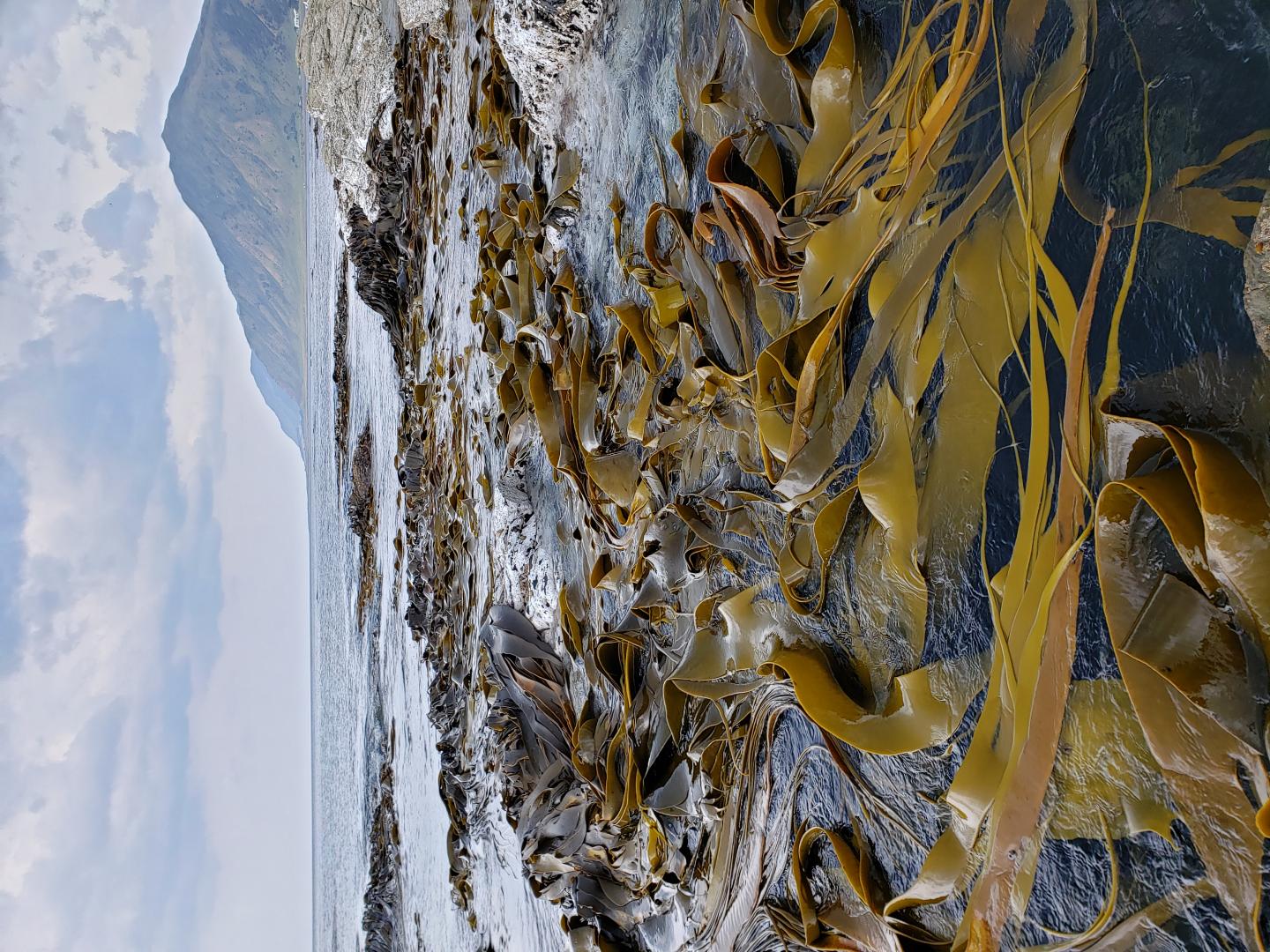
Credit: Felix Vaux

A University of Otago study has revealed how earthquake upheaval has affected New Zealand’s coastal species.

Lead author Dr Felix Vaux, of the Department of Zoology, says earthquakes are typically considered devastating events for people and the environment, but the positive opportunities that they can create for wildlife are often overlooked.

For the Marsden-funded study, published in Journal of Phycology, the researchers sequenced DNA from 288 rimurapa/bull-kelp plants from 28 places across central New Zealand.

“All specimens from the North Island were expected to be the species Durvillaea antarctica, but unexpectedly 10 samples from four sites were Durvillaea poha – about 150 km from the nearest population on the Kaik?ura Peninsula,” Dr Vaux says.

The range expansion of the seaweed seems to be associated with the, often forgotten, 1855 Wairarapa earthquake – New Zealand’s strongest recorded earthquake since European colonisation, at magnitude 8.2.

“Uplift and landslides around Wellington cleared swathes of coastline of Durvillaea antarctica, and this seems to have allowed a previously South Island restricted species – Durvillaea poha – to colonise and establish itself in the North Island.

“This exciting discovery highlights that frequent tectonic activity may be reshaping New Zealand’s biodiversity, including its marine environments, and it reminds us that recent events – such as the 2016 Kaik?ura earthquake, may have long-lasting effects on the environment.”

Dr Vaux believes an increase in the species diversity of bull-kelp in the North Island is likely to be positive for the intertidal community as Durvillaea provides a sheltered habitat for numerous animals – including crustaceans, molluscs such as pāua, spiders and fish.

“Our discovery is exciting because it indicates that tectonic disturbance can not only change population structure within a species, but it can also create ecological opportunity and shift the distribution of organisms.

“While many range shifts have been linked to climate change, tectonic disturbance should not be overlooked as a potential facilitator of range expansion. In our fast-changing world, it is becoming increasingly important to understand the forces that shape the distribution of species,” he says.

###

Publication details:

Northward range extension for Durvillaea poha bull kelp: Response to tectonic disturbance?

Felix Vaux, Dave Craw, Ceridwen I. Fraser, Jonathan M. Waters

Journal of Phycology

https://doi.org/10.1111/jpy.13179

Media Contact
Dr Felix Vaux
[email protected]

Original Source

https://www.otago.ac.nz/news/news/otago828596.html

Related Journal Article

http://dx.doi.org/10.1111/jpy.13179

Tags: BiologyClimate ChangeEcology/EnvironmentMarine/Freshwater BiologyPlate Tectonics
Share12Tweet8Share2ShareShareShare2

Related Posts

RNA-Destroying Enzyme Regnase-1 Emerges as a Master Switch in Autoimmune Disease

RNA-Destroying Enzyme Regnase-1 Emerges as a Master Switch in Autoimmune Disease

October 2, 2026
Wine Waste Gets a Second Life: Grape Pomace Kombucha Wins Over Tasters

Wine Waste Gets a Second Life: Grape Pomace Kombucha Wins Over Tasters

October 2, 2026

Seagrass Survives Coastal Pollution by Splitting Microbial Labor Between Root Zones

October 2, 2026

Less Is More: Keeping Biofloc Volume Low Boosts Survival and Profit in Giant Prawn Nursery

October 2, 2026
Please login to join discussion

POPULAR NEWS

  • A Precise Dose of Oxidative Stress Keeps Beef Redder for Longer

    29 shares
    Share 12 Tweet 7
  • RNA-Destroying Enzyme Regnase-1 Emerges as a Master Switch in Autoimmune Disease

    29 shares
    Share 12 Tweet 7
  • Noise-Proof AI Translation Brings Low-Resource Languages Into the Digital Age

    29 shares
    Share 12 Tweet 7
  • Microbial Inoculants Give Teak Cuttings a Head Start in Reforestation

    29 shares
    Share 12 Tweet 7

About

We bring you the latest biotechnology news from best research centers and universities around the world. Check our website.

Follow us

Recent News

A Precise Dose of Oxidative Stress Keeps Beef Redder for Longer

RNA-Destroying Enzyme Regnase-1 Emerges as a Master Switch in Autoimmune Disease

Noise-Proof AI Translation Brings Low-Resource Languages Into the Digital Age

Subscribe to Blog via Email

Enter your email address to subscribe to this blog and receive notifications of new posts by email.

Join 85 other subscribers
  • Contact Us

Bioengineer.org © Copyright 2023 All Rights Reserved.

Welcome Back!

Login to your account below

Forgotten Password?

Retrieve your password

Please enter your username or email address to reset your password.

Log In
No Result
View All Result
  • Homepages
    • Home Page 1
    • Home Page 2
  • News
  • National
  • Business
  • Health
  • Lifestyle
  • Science

Bioengineer.org © Copyright 2023 All Rights Reserved.