• HOME
  • NEWS
  • EXPLORE
    • CAREER
      • Companies
      • Jobs
    • EVENTS
    • iGEM
      • News
      • Team
    • PHOTOS
    • VIDEO
    • WIKI
  • BLOG
  • COMMUNITY
    • FACEBOOK
    • INSTAGRAM
    • TWITTER
Friday, September 25, 2026
BIOENGINEER.ORG
No Result
View All Result
  • Login
  • HOME
  • NEWS
  • EXPLORE
    • CAREER
      • Companies
      • Jobs
        • Lecturer
        • PhD Studentship
        • Postdoc
        • Research Assistant
    • EVENTS
    • iGEM
      • News
      • Team
    • PHOTOS
    • VIDEO
    • WIKI
  • BLOG
  • COMMUNITY
    • FACEBOOK
    • INSTAGRAM
    • TWITTER
  • HOME
  • NEWS
  • EXPLORE
    • CAREER
      • Companies
      • Jobs
        • Lecturer
        • PhD Studentship
        • Postdoc
        • Research Assistant
    • EVENTS
    • iGEM
      • News
      • Team
    • PHOTOS
    • VIDEO
    • WIKI
  • BLOG
  • COMMUNITY
    • FACEBOOK
    • INSTAGRAM
    • TWITTER
No Result
View All Result
Bioengineer.org
No Result
View All Result
Home NEWS Science News Chemistry

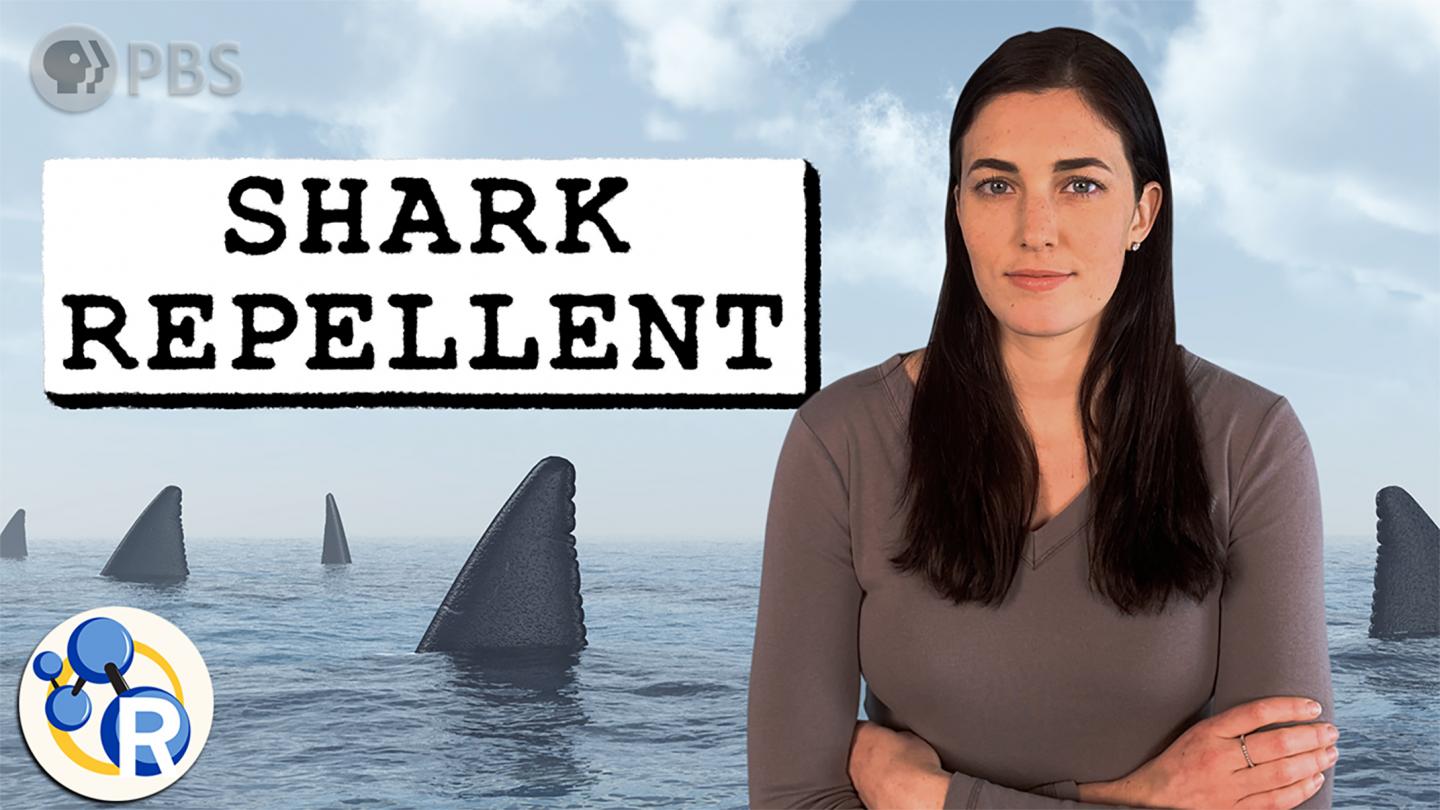
Why did we give sailors and soldiers shark repellent that … didn’t work? (video)

Bioengineer by Bioengineer
January 13, 2020
in Chemistry
Reading Time: 2 mins read
0
IMAGE
Share on FacebookShare on TwitterShare on LinkedinShare on RedditShare on Telegram

IMAGE

Credit: The American Chemical Society

WASHINGTON, Jan. 13, 2020 — People have been developing different forms of shark repellent for decades — the military even issued a chemical shark repellent called “Shark Chaser” to pilots, sailors and astronauts(!) from the end of World War II through the start of the Vietnam War. Thing is … it didn’t really work. Learn why they bothered passing it out or even created it in the first place: https://youtu.be/4u54c7cRAog.

###

Reactions is a video series produced by the American Chemical Society and PBS Digital Studios. Subscribe to Reactions at http://bit.ly/ACSReactions, and follow us on Twitter @ACSreactions.

The American Chemical Society (ACS) is a nonprofit organization chartered by the U.S. Congress. ACS’ mission is to advance the broader chemistry enterprise and its practitioners for the benefit of Earth and its people. The Society is a global leader in providing access to chemistry-related information and research through its multiple research solutions, peer-reviewed journals, scientific conferences, eBooks and weekly news periodical Chemical & Engineering News. ACS journals are among the most cited, most trusted and most read within the scientific literature; however, ACS itself does not conduct chemical research. As a specialist in scientific information solutions (including SciFinderĀ® and STNĀ®), its CAS division powers global research, discovery and innovation. ACS’ main offices are in Washington, D.C., and Columbus, Ohio.

To automatically receive press releases from the American Chemical Society, contact [email protected].

Follow us: Twitter Facebook Instagram

Media Contact
Katie Cottingham, Ph.D.
[email protected]
301-775-8455

Tags: BiologyChemistry/Physics/Materials SciencesEarth ScienceEducationMarine/Freshwater BiologyMedicine/HealthNonprofessionalScience/MathToxicologyZoology/Veterinary Science
Share12Tweet8Share2ShareShareShare2

Related Posts

Hidden Oxygen Vacancies at Chromium–Zinc Oxide Interfaces Drive Syngas-to-Olefins Catalysis

Hidden Oxygen Vacancies at Chromium–Zinc Oxide Interfaces Drive Syngas-to-Olefins Catalysis

September 25, 2026
Tea Compounds Show Surprising Power Against Cancer and Aging Proteins

Tea Compounds Show Surprising Power Against Cancer and Aging Proteins

September 25, 2026

Volcanic Rock Buoys Could End Microplastic Pollution in Oyster Farms

September 25, 2026

Metal-Organic Framework Nanoparticles Turn Biopolymer Hydrogel into Antibacterial Wound Dressing

September 25, 2026
Please login to join discussion

POPULAR NEWS

  • Spatial Hi-C Maps 3D Genome Folding Directly Inside Brain Tissue

    29 shares
    Share 12 Tweet 7
  • Stretchable liquid metal implant keeps wireless power flowing through body movement

    29 shares
    Share 12 Tweet 7
  • Hidden Oxygen Vacancies at Chromium–Zinc Oxide Interfaces Drive Syngas-to-Olefins Catalysis

    29 shares
    Share 12 Tweet 7
  • Open Chromatin Is Not So Open: Active Genes Ride on Condensed Domains

    29 shares
    Share 12 Tweet 7

About

We bring you the latest biotechnology news from best research centers and universities around the world. Check our website.

Follow us

Recent News

Spatial Hi-C Maps 3D Genome Folding Directly Inside Brain Tissue

Stretchable liquid metal implant keeps wireless power flowing through body movement

Hidden Oxygen Vacancies at Chromium–Zinc Oxide Interfaces Drive Syngas-to-Olefins Catalysis

Subscribe to Blog via Email

Enter your email address to subscribe to this blog and receive notifications of new posts by email.

Join 85 other subscribers
  • Contact Us

Bioengineer.org Ā© Copyright 2023 All Rights Reserved.

Welcome Back!

Login to your account below

Forgotten Password?

Retrieve your password

Please enter your username or email address to reset your password.

Log In
No Result
View All Result
  • Homepages
    • Home Page 1
    • Home Page 2
  • News
  • National
  • Business
  • Health
  • Lifestyle
  • Science

Bioengineer.org Ā© Copyright 2023 All Rights Reserved.