• HOME
  • NEWS
  • EXPLORE
    • CAREER
      • Companies
      • Jobs
    • EVENTS
    • iGEM
      • News
      • Team
    • PHOTOS
    • VIDEO
    • WIKI
  • BLOG
  • COMMUNITY
    • FACEBOOK
    • INSTAGRAM
    • TWITTER
Thursday, May 14, 2026
BIOENGINEER.ORG
No Result
View All Result
  • Login
  • HOME
  • NEWS
  • EXPLORE
    • CAREER
      • Companies
      • Jobs
        • Lecturer
        • PhD Studentship
        • Postdoc
        • Research Assistant
    • EVENTS
    • iGEM
      • News
      • Team
    • PHOTOS
    • VIDEO
    • WIKI
  • BLOG
  • COMMUNITY
    • FACEBOOK
    • INSTAGRAM
    • TWITTER
  • HOME
  • NEWS
  • EXPLORE
    • CAREER
      • Companies
      • Jobs
        • Lecturer
        • PhD Studentship
        • Postdoc
        • Research Assistant
    • EVENTS
    • iGEM
      • News
      • Team
    • PHOTOS
    • VIDEO
    • WIKI
  • BLOG
  • COMMUNITY
    • FACEBOOK
    • INSTAGRAM
    • TWITTER
No Result
View All Result
Bioengineer.org
No Result
View All Result
Home NEWS Science News Biology

Working the [immune] system

Bioengineer by Bioengineer
July 10, 2017
in Biology
Reading Time: 2 mins read
0
Share on FacebookShare on TwitterShare on LinkedinShare on RedditShare on Telegram
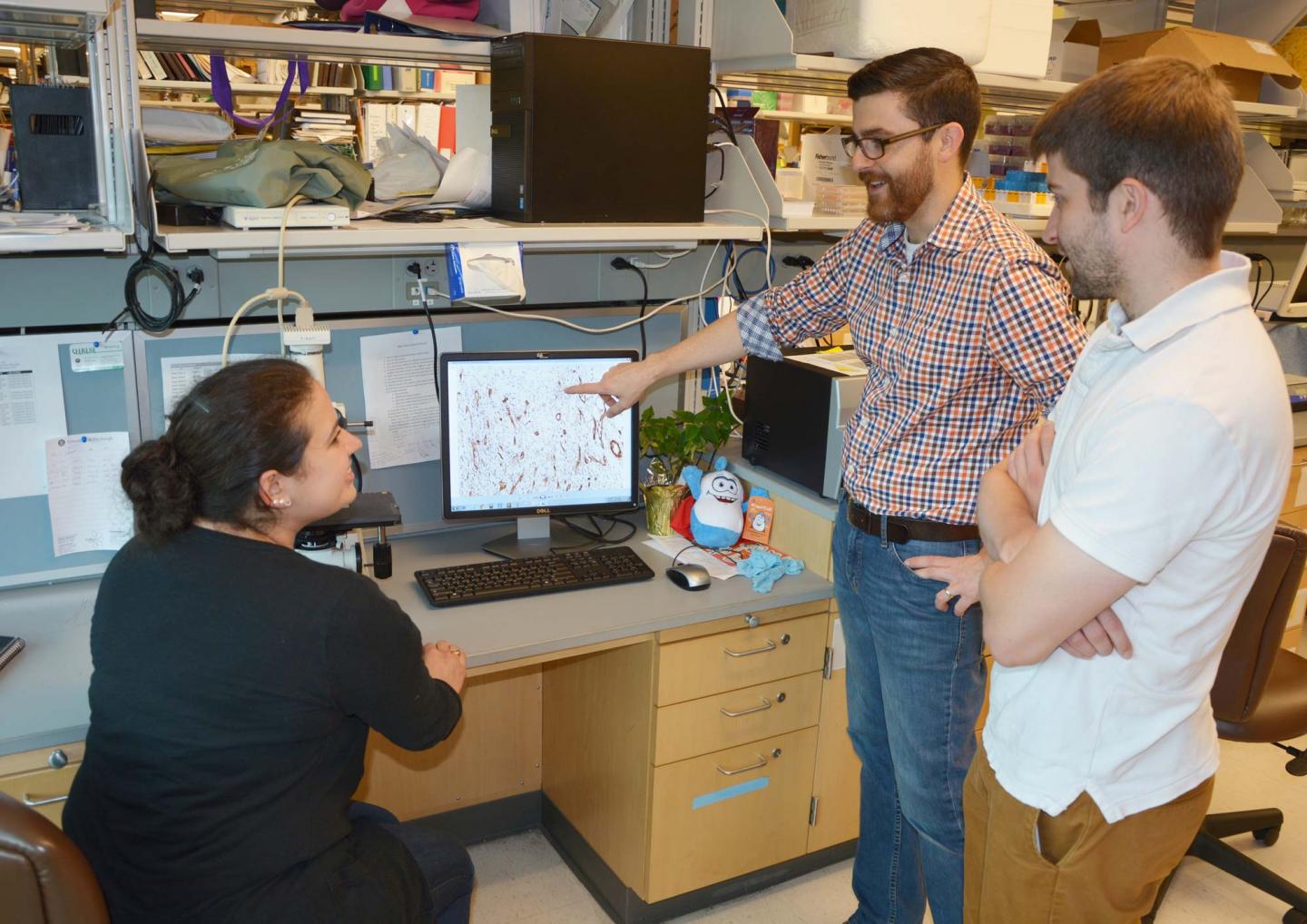
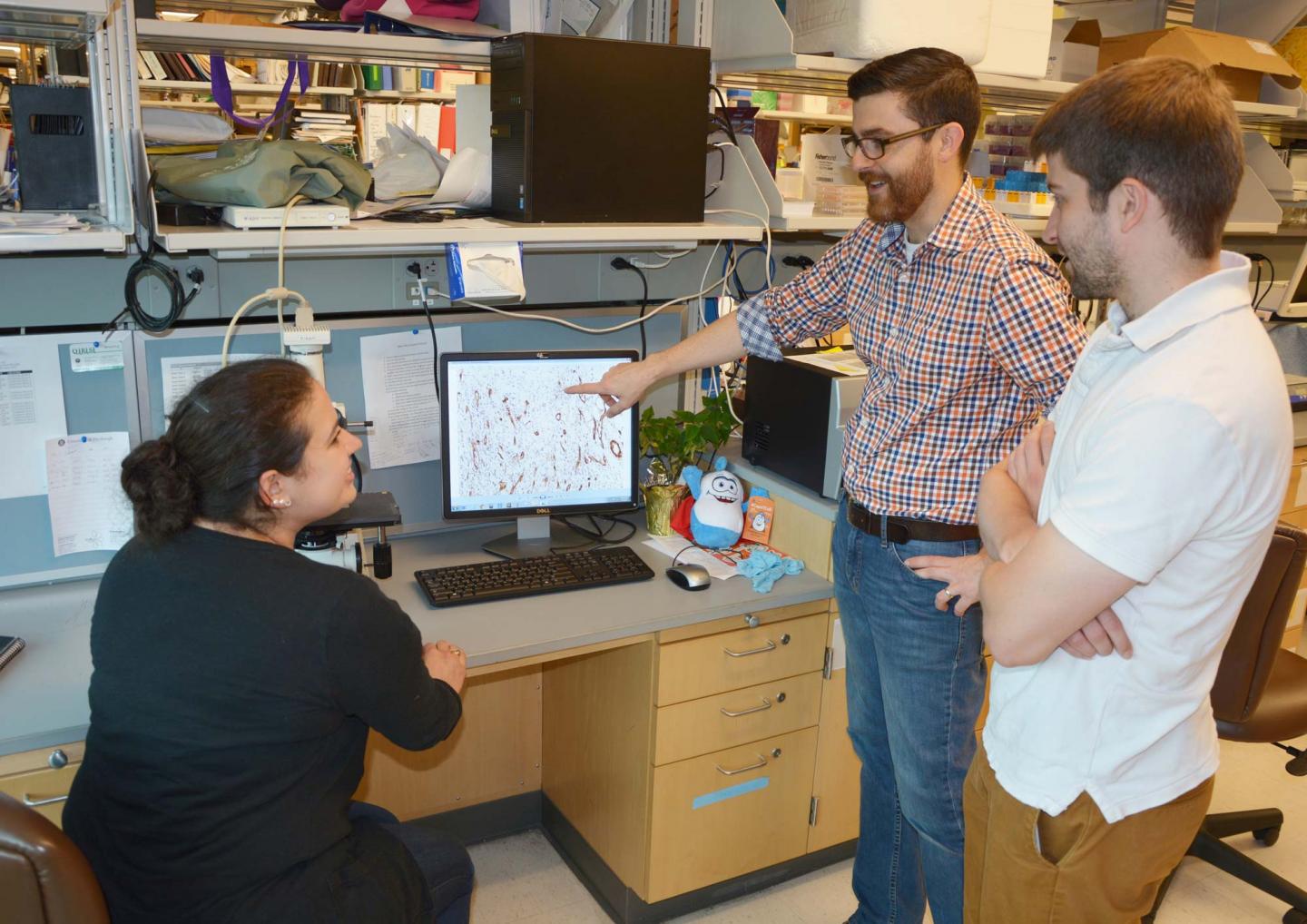
IMAGE

Credit: Swanson School of Engineering/Paul Kovach

PITTSBURGH (July 10, 2017) … As a rule, implants and the immune system don't get along. The human body recognizes these materials as foreign substances and tries to fight them like a virus or bacteria. Although this response can cause trouble for doctors and patients, new research at the University of Pittsburgh suggests the immune system can actually assist the body in accepting implanted biomaterials.

The National Institute on Aging, one of the 27 Institutes and Centers of the National Institutes of Health (NIH), has awarded Bryan Brown, assistant professor of bioengineering at Pitt's Swanson School of Engineering, a five-year, $1.57 million R01 grant to examine how aging affects implantable medical devices. This is the second R01 grant from the NIH Dr. Brown has received this year to support his research of implantable materials.

His study, "Assessing the Impacts of Aging upon the Macrophage Response to Implantable Materials," will specifically address reactions to implantable medical devices by the aged body, including immunosenescence (a deterioration of the immune system brought on by aging), dysregulation of white blood cell function and polarization, and delayed resolution of acute immune responses.

"The impacts of aging on individuals with implants have never been investigated," said Dr. Brown. "As Baby Boomers in particular age, the number of people over 65 will grow, and more than 75 percent of these individuals have at least one chronic condition, usually associated with inflammation. We need therefore a better understanding of how aging affects the immune system's responses to implants."

Dr. Brown will build upon earlier research in which he demonstrated that the host inflammatory response is critical to the success and function of implants. His study found that the first week of macrophage activity (a type of white blood cell) at the implant site could predict immune system response as far as 90 days down the road. By controlling the immune system response, Dr. Brown and his team are looking for the best way to lengthen the lifespan of implants and minimize the negative effects of implanting a foreign object into the body.

"Really, the challenges are not fully known," explained Dr. Brown. "Many implants are used primarily in older individuals, so there is not always a point of comparison. However, in our previous work, we have demonstrated that the host inflammatory response is critical to success and function of implants. Therefore, we are trying to define changes in aged individuals to develop informed approaches to improving implant function in this population. With a projected two billion individuals over the age of 65 by 2050, optimizing the success of implants that can treat a wide range of illnesses could result in significant benefits for patients in their golden years."

###

Media Contact

Paul Kovach
[email protected]
412-624-0265

http://www.pitt.edu

Original Source

http://www.engineering.pitt.edu/News/2017/Bryan-Brown-R01-Aging-Grant/

Share12Tweet8Share2ShareShareShare2

Related Posts

UMass Chan Scientists Pioneer Gene Editing Technology That Rewrites Entire Genome Chapters — Biology

UMass Chan Scientists Pioneer Gene Editing Technology That Rewrites Entire Genome Chapters

May 13, 2026
Scientists Observe Rice Plants Capturing and Eliminating Fall Armyworm Caterpillars — Biology

Scientists Observe Rice Plants Capturing and Eliminating Fall Armyworm Caterpillars

May 13, 2026

Study Finds Genetic Risk for Schizophrenia Emerges in Early Adolescence

May 13, 2026

How Water Fleas Sense Their Predators: A Scientific Insight

May 13, 2026
Please login to join discussion

POPULAR NEWS

  • Research Indicates Potential Connection Between Prenatal Medication Exposure and Elevated Autism Risk

    842 shares
    Share 337 Tweet 211
  • New Study Reveals Plants Can Detect the Sound of Rain

    729 shares
    Share 291 Tweet 182
  • Salmonella Haem Blocks Macrophages, Boosts Infection

    62 shares
    Share 25 Tweet 16
  • Breastmilk Balances E. coli and Beneficial Bacteria in Infant Gut Microbiomes

    57 shares
    Share 23 Tweet 14

About

We bring you the latest biotechnology news from best research centers and universities around the world. Check our website.

Follow us

Recent News

Gaussian Boson Sampling: 1,024 Squeezed States, 8,176 Modes

Enamel Proteins Reveal Insights from Six Homo erectus

New Global Study Reveals Challenges in Combating High Blood Pressure Effectively

Subscribe to Blog via Email

Enter your email address to subscribe to this blog and receive notifications of new posts by email.

Join 82 other subscribers
  • Contact Us

Bioengineer.org © Copyright 2023 All Rights Reserved.

Welcome Back!

Login to your account below

Forgotten Password?

Retrieve your password

Please enter your username or email address to reset your password.

Log In
No Result
View All Result
  • Homepages
    • Home Page 1
    • Home Page 2
  • News
  • National
  • Business
  • Health
  • Lifestyle
  • Science

Bioengineer.org © Copyright 2023 All Rights Reserved.