• HOME
  • NEWS
  • EXPLORE
    • CAREER
      • Companies
      • Jobs
    • EVENTS
    • iGEM
      • News
      • Team
    • PHOTOS
    • VIDEO
    • WIKI
  • BLOG
  • COMMUNITY
    • FACEBOOK
    • INSTAGRAM
    • TWITTER
Wednesday, May 27, 2026
BIOENGINEER.ORG
No Result
View All Result
  • Login
  • HOME
  • NEWS
  • EXPLORE
    • CAREER
      • Companies
      • Jobs
        • Lecturer
        • PhD Studentship
        • Postdoc
        • Research Assistant
    • EVENTS
    • iGEM
      • News
      • Team
    • PHOTOS
    • VIDEO
    • WIKI
  • BLOG
  • COMMUNITY
    • FACEBOOK
    • INSTAGRAM
    • TWITTER
  • HOME
  • NEWS
  • EXPLORE
    • CAREER
      • Companies
      • Jobs
        • Lecturer
        • PhD Studentship
        • Postdoc
        • Research Assistant
    • EVENTS
    • iGEM
      • News
      • Team
    • PHOTOS
    • VIDEO
    • WIKI
  • BLOG
  • COMMUNITY
    • FACEBOOK
    • INSTAGRAM
    • TWITTER
No Result
View All Result
Bioengineer.org
No Result
View All Result
Home NEWS Science News Biology

UTA computer scientist earns grant to combine methods to better analyze brain image data

Bioengineer by Bioengineer
September 20, 2017
in Biology
Reading Time: 2 mins read
0
Share on FacebookShare on TwitterShare on LinkedinShare on RedditShare on Telegram
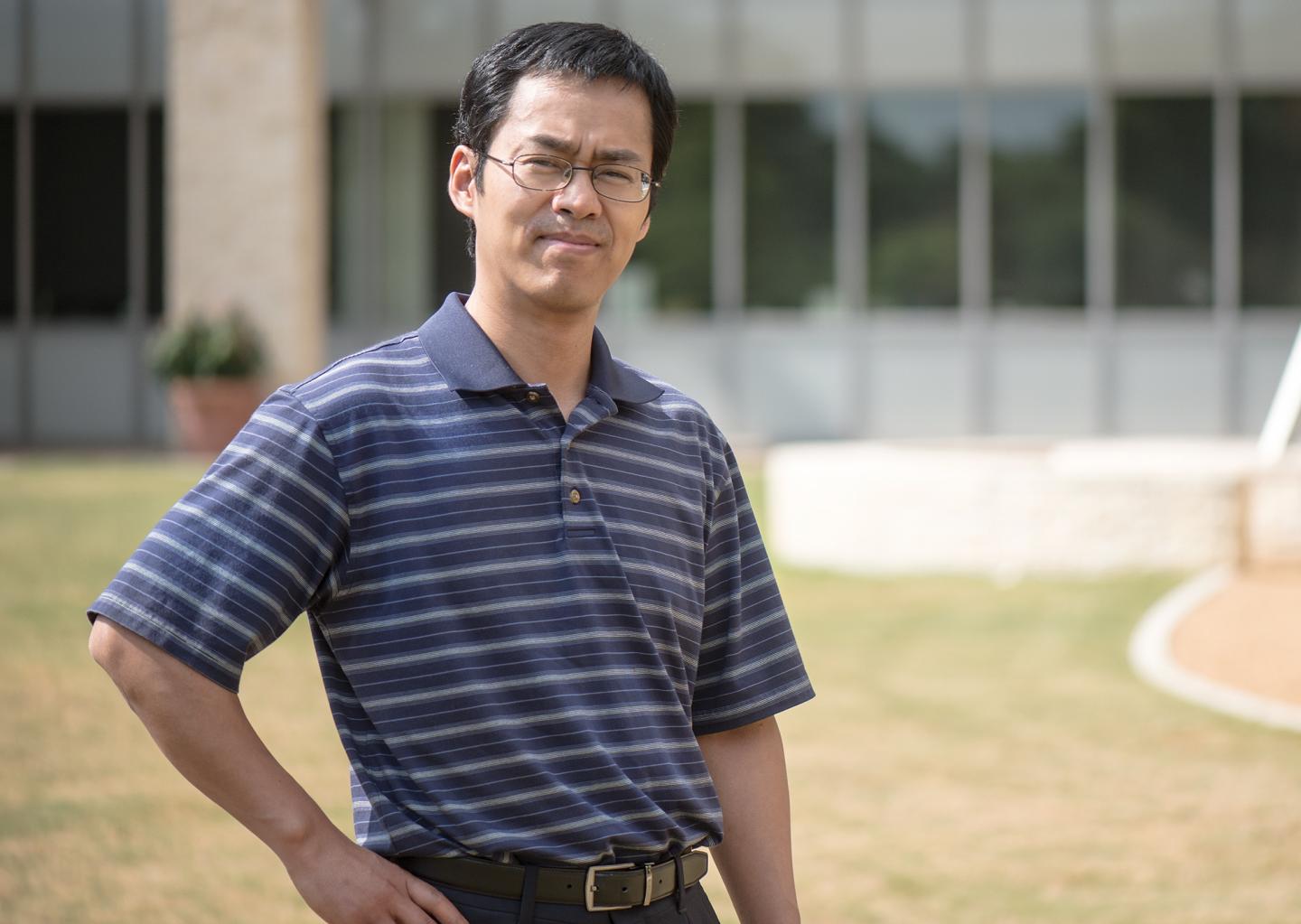
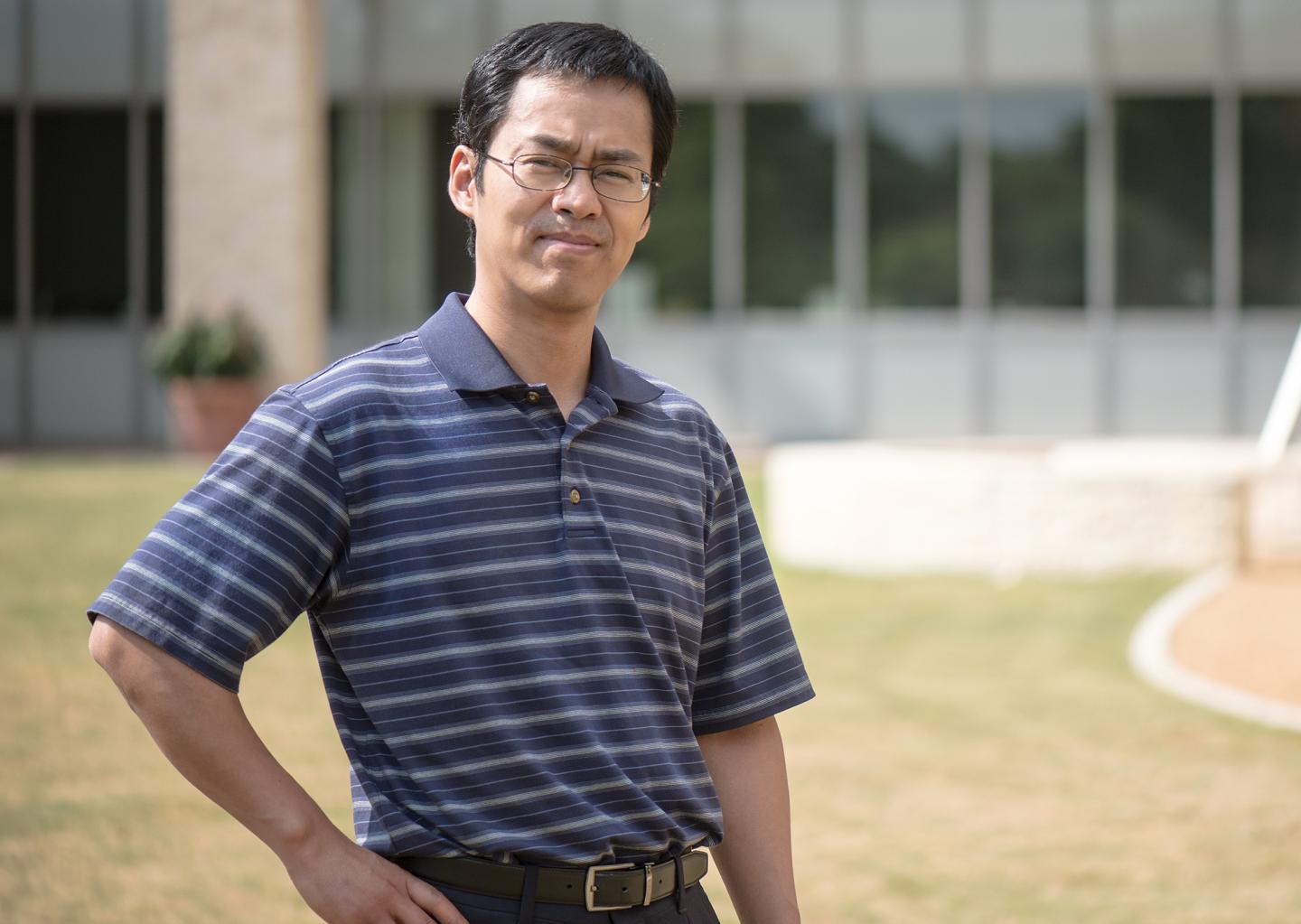
IMAGE

Credit: UT Arlington

Like the organ itself, data collected about the brain is incredibly complex and requires sophisticated methods to sort and analyze. Current methods involve topology, which is a mathematical model that gives a picture of the data, or machine learning, which is a statistical model showing trends. Neither can handle the amounts of data available.

Junzhou Huang, an associate professor in the Computer Science and Engineering Department at The University of Texas at Arlington, will use a $210,000 National Science Foundation grant to explore how to combine the two methods to more accurately predict the outcome of future data. Chao Chen at the City University of New York is co-principal investigator on the project.

Brain research relies on functional magnetic resonance imaging data which are highly complex, multiscale and heterogeneous. These include pathology or radiology images, and omics data, such as genomics, proteomics or metabolomics, captured from the same patient.

Currently, this data is at such a high resolution – an image might measure 1 million pixels by 1 million pixels, compared to a cell phone screen that measures 1,000 by 1,000 pixels – that each piece of data may be 1 terabyte, which is 1 million megabytes, or more. Combining several of those large files for a holistic view creates massive amounts of data that are too large for current technology to handle.

Huang hopes that combining topology, which analyzes 3-D data and provides global information, and machine learning, which relies on historical, or statistical, data will allow him to change the current model and predict the outcome of future data.

"Topology and machine learning are very different methods, but together they could help break down the data into more manageable units," Huang said. "Topology could allow doctors or researchers to quickly identify the data they need, and then machine learning could fill in the fine details, making the process faster and more accurate."

Huang won a National Science Foundation Faculty Early Career Development Grant in 2016 to develop a process using machine learning to gather highly complex genomic data that is similar to the brain data he will work with in his new grant.

His research is an example of innovative thinking in the area of data-driven discovery, one of the themes of UTA's Strategic Plan 2020: Bold Solutions | Global Impact, said Hong Jiang, Wendell Nedderman Chair and Professor in the Department of Computer Science and Engineering.

"Dr. Huang continues to push limits in big data analysis with creative solutions to vexing problems," Jiang said. "If he is successful, this new method could be a very important tool for doctors who need to quickly analyze and assess patient data, as well as researchers who are trying to apply data to predict and prevent medical issues."

###

Media Contact

Herb Booth
[email protected]
817-272-7075
@utarlington

http://www.uta.edu

Original Source

https://www.uta.edu/news/releases/2017/09/Junzhou-Huang-NIH-UTSW.php

Share12Tweet8Share2ShareShareShare2

Related Posts

Study Reveals That Experiencing Awe in Nature Enhances People’s Connection to Science — Biology

Study Reveals That Experiencing Awe in Nature Enhances People’s Connection to Science

May 27, 2026
Study from CU Anschutz Reveals How Preconception Stress Can Affect Offspring Growth — Biology

Study from CU Anschutz Reveals How Preconception Stress Can Affect Offspring Growth

May 27, 2026

Canadian Rockies Research Reveals Spruce Trees Adapt Consistently Across Rugged Peaks and Boreal Flatlands

May 26, 2026

Electroacupuncture and Spinal Neural Cell Transplantation Synergize to Enhance Nerve Regeneration and Functional Recovery After Spinal Cord Injury

May 26, 2026
Please login to join discussion

POPULAR NEWS

  • ESMO 2025: mRNA COVID Vaccines Enhance Efficacy of Cancer Immunotherapy

    317 shares
    Share 127 Tweet 79
  • New Study Reveals Plants Can Detect the Sound of Rain

    735 shares
    Share 293 Tweet 183
  • Common Food Preservatives Associated with Elevated Blood Pressure and Increased Heart Disease Risk

    56 shares
    Share 22 Tweet 14
  • AI-Powered Atlas Uncovers Extensive Whole-Body Damage Linked to Obesity

    53 shares
    Share 21 Tweet 13

About

We bring you the latest biotechnology news from best research centers and universities around the world. Check our website.

Follow us

Recent News

Enhancing Pitching Technique: How Baseball Players Can Safeguard Elbow Health Through Smarter Throws

Study Reveals That Experiencing Awe in Nature Enhances People’s Connection to Science

Melt-Quenching Unlocks Intrinsic High Elasticity in Pristine Glass

Subscribe to Blog via Email

Enter your email address to subscribe to this blog and receive notifications of new posts by email.

Join 82 other subscribers
  • Contact Us

Bioengineer.org © Copyright 2023 All Rights Reserved.

Welcome Back!

Login to your account below

Forgotten Password?

Retrieve your password

Please enter your username or email address to reset your password.

Log In
No Result
View All Result
  • Homepages
    • Home Page 1
    • Home Page 2
  • News
  • National
  • Business
  • Health
  • Lifestyle
  • Science

Bioengineer.org © Copyright 2023 All Rights Reserved.