The landscape of cancer diagnosis is undergoing a seismic shift, driven by the digital transformation of pathology empowered through cutting-edge artificial intelligence. Traditional pathology has long depended on the expert interpretation of stained tissue samples under a microscope, but this approach, while invaluable, is confined by human subjectivity and limited scalability. Recent advances now unlock unprecedented possibilities, enabling the extraction of intricate biological insights from histological specimens—insights previously hidden beneath the surface. At the forefront of this revolution is an innovative AI framework developed by researchers at the University Hospital Cologne, known as SPARK (System of Pathology Agents for Research and Knowledge). This agentic system heralds a new era in autonomous scientific discovery within cancer pathology.
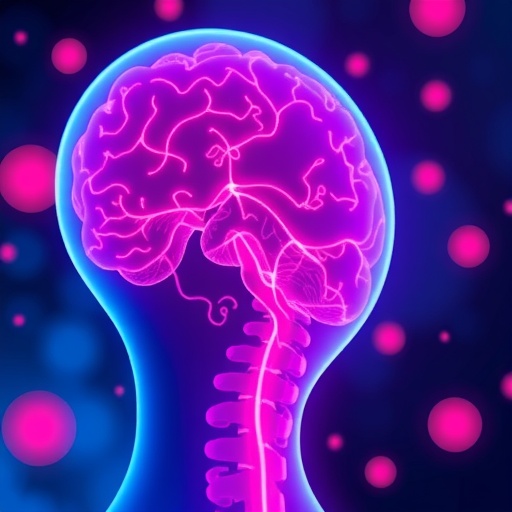
SPARK redefines how AI engages with pathological data. Conventional AI applications primarily segment tissues or analyze cellular components in the tumour microenvironment. While these methods have enhanced diagnostic workflows, they often struggle with interpretability and face challenges when adapting to novel research questions. In contrast, SPARK transcends these limitations by functioning as a ‘digital brain’—an interconnected network of specialized algorithms working harmoniously. This architecture autonomously generates biological hypotheses, iteratively refines them, and seamlessly translates them into analytical tools, all without requiring retraining of the underlying models. The system’s design leverages natural language as a universal interface, revolutionizing interaction with complex image data by allowing clinicians and researchers to conduct intuitive language-based analyses. For example, users can query SPARK using simple phrases to predict whether a tumour will respond to specific therapies such as immunotherapy.
The impact of SPARK has been rigorously evaluated across extensive datasets encompassing over 5,400 patients spanning 18 independent cohorts and five cancer types. Led by Dr. Yuri Tolkach, Senior Physician at the Institute of Pathology, the team demonstrated that SPARK identifies clinically meaningful and biologically grounded tissue markers linked to disease trajectories, established pathological criteria, and treatment responses. Beyond static histological snapshots, SPARK’s analytical capabilities extend to inferring the temporal evolution of tumours, shedding light on the dynamic mechanisms underlying tumour progression and metastasis. This temporal dimension is vital for understanding tumour heterogeneity and developing effective precision medicine strategies.
What sets SPARK apart is its capacity to transform pathology from a descriptive to a predictive discipline. By refining diagnosis precision and enabling nuanced patient stratification, it empowers oncologists to make data-driven treatment decisions tailored to the biological idiosyncrasies of individual tumours. Dr. Tolkach highlights that, particularly in personalized oncology, such advances open the door to optimizing treatment regimens based on detailed tissue-level insights that were previously inaccessible. This holds promise for enhanced outcomes and reduced adverse effects by aligning therapies more closely with tumour biology rather than relying solely on conventional histopathological parameters.
A key feature amplifying SPARK’s accessibility is its modular, interactive user interface designed for usability regardless of programming expertise. This democratization of advanced computational pathology facilitates broad adoption among clinicians and researchers, accelerating knowledge generation and clinical translation. By obviating the need for coding, SPARK promotes collaborative innovation and the rapid deployment of novel analytical workflows tailored to specific research questions or clinical contexts.
Despite these groundbreaking advancements, the researchers emphasize that prospective validation in real-world clinical settings remains essential for confirming SPARK’s full utility. Integrating such complex AI systems into routine workflows requires systematic evaluation to ensure robustness, reproducibility, and compliance with regulatory frameworks. The team has committed to transparency by openly sharing the developed methodologies, parameters, and results to stimulate further academic refinement and integration across pathology and oncology communities worldwide.
Professor Dr. Reinhard Büttner, Director of the Institute of General Pathology and Pathological Anatomy, envisions SPARK as a transformative catalyst for oncology: “Our goal is to evolve pathology into a data-driven, predictive science. This paradigm shift will significantly bridge the gap between histopathology and precision medicine, providing oncologists with powerful tools grounded in robust biological interpretation.”
The project’s success was made possible through funding from the former German Federal Ministry of Education and Research (BMFTR) and the DigiPathConnect initiative under the European Union’s Interreg Euregio Meuse-Rhine programme. Additionally, the consortium leveraged data from the National Network for Genomic Medicine in Lung Cancer (nNGM), supported by German Cancer Aid, and harnessed the computational prowess of the RAMSES supercomputer at the University of Cologne’s IT Center. This synergy of collaborative funding, data integration, and high-performance computing has been instrumental in realizing SPARK’s sophisticated capabilities.
In sum, SPARK exemplifies a leap forward in melding AI with pathology, enabling a level of autonomous discovery that promises to reshape cancer diagnostics fundamentally. By providing granular, biologically validated insights and supporting intuitive user interaction, it sets a new standard for leveraging digital pathology in clinical oncology. As the technology advances toward clinical implementation, it holds the potential to revolutionize how cancer is understood, diagnosed, and treated, paving the way for truly personalized medicine founded on deep tissue-based intelligence.
The scientific and clinical communities watch with anticipation as SPARK moves closer to routine clinical adoption. Its ability to integrate diverse datasets, generate testable biological hypotheses, and translate findings into actionable clinical tools may mark the dawn of a new era in cancer care—where AI acts not just as an assistant but as an autonomous collaborator in unraveling the complexity of tumour biology.
Subject of Research: Human tissue samples
Article Title: An agentic framework for autonomous scientific discovery in cancer pathology
News Publication Date: 29-Apr-2026
Tags: advanced AI pathology toolsAI for histological analysisAI-driven cancer diagnosisAI-generated biological hypothesesartificial intelligence in cancer pathologyautonomous scientific discovery in oncologydigital transformation in pathologyinnovative cancer research AIpathology data interpretation AIscalable cancer diagnostics AISPARK AI frameworktumor microenvironment AI analysis