• HOME
  • NEWS
  • EXPLORE
    • CAREER
      • Companies
      • Jobs
    • EVENTS
    • iGEM
      • News
      • Team
    • PHOTOS
    • VIDEO
    • WIKI
  • BLOG
  • COMMUNITY
    • FACEBOOK
    • INSTAGRAM
    • TWITTER
Friday, May 22, 2026
BIOENGINEER.ORG
No Result
View All Result
  • Login
  • HOME
  • NEWS
  • EXPLORE
    • CAREER
      • Companies
      • Jobs
        • Lecturer
        • PhD Studentship
        • Postdoc
        • Research Assistant
    • EVENTS
    • iGEM
      • News
      • Team
    • PHOTOS
    • VIDEO
    • WIKI
  • BLOG
  • COMMUNITY
    • FACEBOOK
    • INSTAGRAM
    • TWITTER
  • HOME
  • NEWS
  • EXPLORE
    • CAREER
      • Companies
      • Jobs
        • Lecturer
        • PhD Studentship
        • Postdoc
        • Research Assistant
    • EVENTS
    • iGEM
      • News
      • Team
    • PHOTOS
    • VIDEO
    • WIKI
  • BLOG
  • COMMUNITY
    • FACEBOOK
    • INSTAGRAM
    • TWITTER
No Result
View All Result
Bioengineer.org
No Result
View All Result
Home NEWS Science News Health

University of Cincinnati study uncovers clues to COVID-19 in the brain

Bioengineer by Bioengineer
May 27, 2020
in Health
Reading Time: 2 mins read
0
IMAGE
Share on FacebookShare on TwitterShare on LinkedinShare on RedditShare on Telegram

Researchers review neuroimaging for patients and show altered mental state and stroke dominate
IMAGE

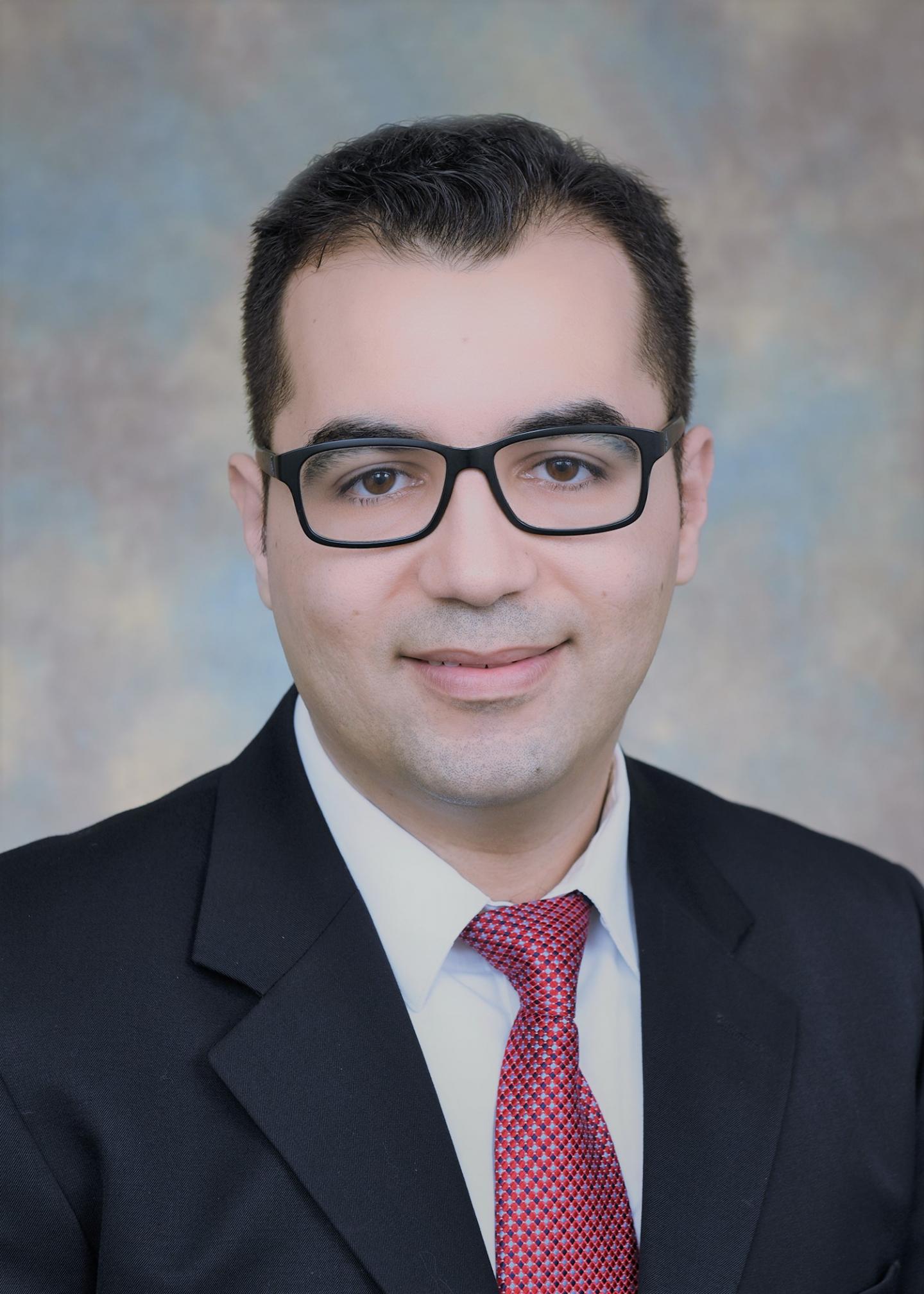
Credit: University of Cincinnati

A study by University of Cincinnati researchers and four Italian institutions reviewing neuroimaging and neurological symptoms in patients with COVID-19 may shed light on the virus’s impact on the central nervous system.

The findings, published in the journal Radiology, reveal that altered mental status and stroke are the most common neurological symptoms in COVID-19 patients, which authors say could help physicians notice “red flags” earlier.

“Studies have described the spectrum of chest imaging features of COVID-19, but only a few case reports have described COVID-19 associated neuroimaging findings,” says lead author Abdelkader Mahammedi, MD, assistant professor of radiology at UC and a UC Health neuroradiologist. “To date, this is the largest and first study in literature that characterizes the neurological symptoms and neuroimaging features in COVID-19 patients. These newly discovered patterns could help doctors better and sooner recognize associations with COVID-19 and possibly provide earlier interventions.”

Researchers in this study investigated neurological symptoms and imaging findings in patients from three major institutions in Italy: University of Brescia, Brescia; University of Eastern Piedmont, Novara; and University of Sassari, Sassari. Italy was the second epicenter of the spread of COVID-19, resulting in over 30,000 deaths.

The study included images from 725 hospitalized patients with confirmed COVID-19 infection between Feb. 29 and April 4. Of these, 108 (15%) had serious neurological symptoms and underwent brain or spine imaging. Most patients (99%) had brain CT scans, while 16% had head and neck CT imaging and 18% had brain MRI.

Investigators found that 59% of patients reported an altered mental state and 31% experienced stroke, which were the most common neurological symptoms. Patients also experienced headache (12%), seizure (9%) and dizziness (4%), among other symptoms.

“Of these 108 patients, 31, or 29%, had no known past medical history. Of these, aged 16 to 62 years, 10 experienced stroke and two had brain bleeds,” Mahammedi says. “Seventy-one, or 66%, of these patients had no findings on a brain CT, out of which 7 of them (35%) brain MRI showed abnormalities.”

He adds that altered mental status was more common in older adults.

While results show that the neuroimaging features of patients with COVID-19 vary, and an altered mental status and stroke are the most prevalent in patients, Mahammedi says this study reveals that there are other conditions to be on the lookout for.

“This topic definitely needs more research,” he says. “Currently, we have a poor understanding of the neurological symptoms in COVID-19 patients, whether these are arising from critical illness or from direct central nervous system invasion of SARS-CoV-2. We hope further study on this subject will help in uncovering clues and providing better interventions for patients.”

###

Media Contact
Katie Pence
[email protected]

Original Source

https://www.uc.edu/news/articles/2020/05/n20918450.html

Related Journal Article

http://dx.doi.org/10.1148/radiol.2020201933

Tags: Infectious/Emerging DiseasesMedicine/Healthneurobiology
Share13Tweet8Share2ShareShareShare2

Related Posts

Nonlinear Atomic Tunneling Enhanced by Bright Squeezed Vacuum

May 21, 2026

Genetic Insights from 619,372 Metabolic Profiles

May 21, 2026

Bacterial STIs Hit Record Levels in Europe as Congenital Syphilis Cases Nearly Double

May 21, 2026

Oral Semaglutide Lowers Cardiometabolic Risks in Obesity

May 21, 2026
Please login to join discussion

POPULAR NEWS

  • blank

    New Study Reveals Plants Can Detect the Sound of Rain

    733 shares
    Share 292 Tweet 183
  • ESMO 2025: mRNA COVID Vaccines Enhance Efficacy of Cancer Immunotherapy

    304 shares
    Share 122 Tweet 76
  • Research Indicates Potential Connection Between Prenatal Medication Exposure and Elevated Autism Risk

    846 shares
    Share 338 Tweet 212
  • Breastmilk Balances E. coli and Beneficial Bacteria in Infant Gut Microbiomes

    58 shares
    Share 23 Tweet 15

About

We bring you the latest biotechnology news from best research centers and universities around the world. Check our website.

Follow us

Recent News

Innovative Reusable Brick Walls Revolutionize Construction Industry

Nonlinear Atomic Tunneling Enhanced by Bright Squeezed Vacuum

Label-Free Super-Resolution Imaging of Live Cells

Subscribe to Blog via Email

Success! An email was just sent to confirm your subscription. Please find the email now and click 'Confirm' to start subscribing.

Join 82 other subscribers
  • Contact Us

Bioengineer.org © Copyright 2023 All Rights Reserved.

Welcome Back!

Login to your account below

Forgotten Password?

Retrieve your password

Please enter your username or email address to reset your password.

Log In
No Result
View All Result
  • Homepages
    • Home Page 1
    • Home Page 2
  • News
  • National
  • Business
  • Health
  • Lifestyle
  • Science

Bioengineer.org © Copyright 2023 All Rights Reserved.