• HOME
  • NEWS
  • EXPLORE
    • CAREER
      • Companies
      • Jobs
    • EVENTS
    • iGEM
      • News
      • Team
    • PHOTOS
    • VIDEO
    • WIKI
  • BLOG
  • COMMUNITY
    • FACEBOOK
    • INSTAGRAM
    • TWITTER
Tuesday, October 20, 2026
BIOENGINEER.ORG
No Result
View All Result
  • Login
  • HOME
  • NEWS
  • EXPLORE
    • CAREER
      • Companies
      • Jobs
        • Lecturer
        • PhD Studentship
        • Postdoc
        • Research Assistant
    • EVENTS
    • iGEM
      • News
      • Team
    • PHOTOS
    • VIDEO
    • WIKI
  • BLOG
  • COMMUNITY
    • FACEBOOK
    • INSTAGRAM
    • TWITTER
No Result
View All Result
Bioengineer.org
No Result
View All Result
Home NEWS Science News Health

Universal coverage without financial protection: why out-of-pocket payments persist despite universal coverage in Georgia

by
October 20, 2026
in Health
Reading Time: 2 mins read
0
Universal coverage without financial protection: why out-of-pocket payments persist despite universal coverage in Georgia

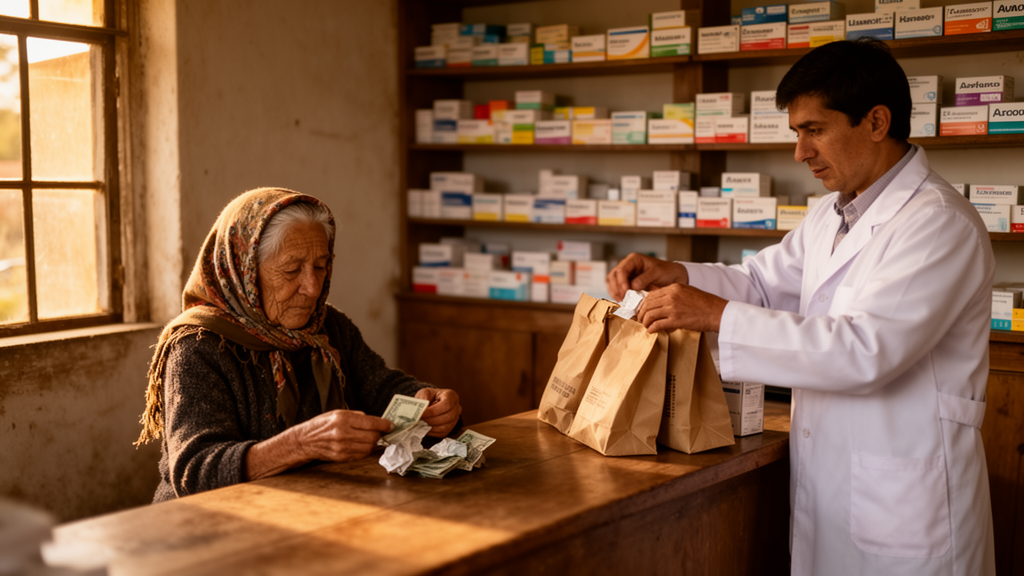
Georgia's health paradox: why out-of-pocket payments persist despite universal coverage

Share on FacebookShare on TwitterShare on LinkedinShare on RedditShare on Telegram

A mixed-methods study of Georgia’s universal health coverage system found that high out-of-pocket payments persist despite the tax-funded scheme introduced in 2013 and coverage of nearly 90% of the population. The abstract identifies a narrow benefit package, outdated reimbursement tariffs, balance billing, limited pharmaceutical coverage, weak regulation, excessive market liberalization and fragmented service delivery as contributing factors. The study was published in BMC Health Services Research as peer-reviewed research.

The study combined 35 in-depth interviews with policymakers, providers and other key stakeholders; an online survey with 94 complete and 18 partial responses; and secondary analysis of national health expenditure data and policy documents. Researchers conducted thematic analysis of the qualitative data using NVivo12 and triangulated findings across the data sources. Georgia was selected as a case in which broad population coverage coexists with high household out-of-pocket spending in the WHO European Region.

Stakeholders described provider responses to financial and competitive pressures that included demand inducement, patient-paid services and commission-based referrals, while survey respondents perceived several of these practices to be common. The findings indicate that out-of-pocket payments are associated with interactions among financing arrangements, provider incentives and regulatory oversight, rather than being attributable only to limited public financing. The authors report that expanding population coverage alone did not ensure financial protection.

The abstract proposes structural changes across health financing, governance and service delivery, including strengthening the purchasing role of the National Health Agency, updating tariffs, expanding the benefit package, regulating market entry and aligning provider incentives. These are the study authors’ policy implications, not evidence that the measures have already reduced out-of-pocket spending. The supplied evidence is limited to the abstract and article overview, so the detailed sample characteristics, survey measures, expenditure results and limitations of the full analysis cannot be independently described here.

Subject of Research: Mixed-methods analysis of persistent out-of-pocket health payments under Georgia’s universal coverage scheme

Article Title: Universal coverage without financial protection: why out-of-pocket payments persist despite universal coverage in Georgia

Article References: Tvaliashvili, M., Sulaberidze, L., Gotsadze, G., Goodman, C., & Hanson, K. (2026). Universal coverage without financial protection: why out-of-pocket payments persist despite universal coverage in Georgia. BMC Health Services Research. https://doi.org/10.1186/s12913-026-15668-8

Image Credits: AI Generated

DOI: 10.1186/s12913-026-15668-8

Keywords: Georgia, universal health coverage, out-of-pocket payments, financial protection, health financing, provider incentives, health regulation, benefit package, mixed methods, health services research, Universal, coverage

News Source: Ophelia Keating. (October 20, 2026). Universal coverage without financial protection: why out-of-pocket payments persist despite universal coverage in Georgia. Scienmag.


Tags: benefit packagecoveragefinancial protectionGeorgiahealth financinghealth regulationhealth services researchmixed methodsout-of-pocket paymentsprovider incentivesUniversaluniversal health coverage
Share12Tweet7Share2ShareShareShare1

Related Posts

Uncontrolled retrospective study links structured sexual healthcare with improved sexual activity among women with gynaecological conditions

Uncontrolled retrospective study links structured sexual healthcare with improved sexual activity among women with gynaecological conditions

October 20, 2026
AI mobile simulation improves nurses’ drug-calculation scores in small Egyptian randomized trial

AI mobile simulation improves nurses’ drug-calculation scores in small Egyptian randomized trial

October 20, 2026

Systematic review links robot-assisted gait training to walking gains in children with cerebral palsy

October 20, 2026

Persistent tinnitus preceded diagnosis of multifocal tuberculosis in a 32-year-old patient: case report

October 20, 2026

POPULAR NEWS

  • Experimental multi-omics study links low-phosphorus tolerance in TY2 oat to coordinated metabolic responses

    Experimental multi-omics study links low-phosphorus tolerance in TY2 oat to coordinated metabolic responses

    29 shares
    Share 12 Tweet 7
  • Hybrid machine-learning model improves TiN thickness prediction with limited calibration data

    29 shares
    Share 12 Tweet 7
  • Review maps molecular pathways and management strategies for low-risk HPV skin warts

    29 shares
    Share 12 Tweet 7
  • Uncontrolled retrospective study links structured sexual healthcare with improved sexual activity among women with gynaecological conditions

    29 shares
    Share 12 Tweet 7

About

We bring you the latest biotechnology news from best research centers and universities around the world. Check our website.

Follow us

Recent News

Experimental multi-omics study links low-phosphorus tolerance in TY2 oat to coordinated metabolic responses

Hybrid machine-learning model improves TiN thickness prediction with limited calibration data

Review maps molecular pathways and management strategies for low-risk HPV skin warts

Subscribe to Blog via Email

Enter your email address to subscribe to this blog and receive notifications of new posts by email.

Join 85 other subscribers
  • Contact Us

Bioengineer.org © Copyright 2023 All Rights Reserved.

Welcome Back!

Login to your account below

Forgotten Password?

Retrieve your password

Please enter your username or email address to reset your password.

Log In
No Result
View All Result
  • Homepages
    • Home Page 1
    • Home Page 2
  • News
  • National
  • Business
  • Health
  • Lifestyle
  • Science

Bioengineer.org © Copyright 2023 All Rights Reserved.