

• HOME
  • NEWS
  • EXPLORE
    • CAREER
      • Companies
      • Jobs
    • EVENTS
    • iGEM
      • News
      • Team
    • PHOTOS
    • VIDEO
    • WIKI
  • BLOG
  • COMMUNITY
    • FACEBOOK
    • INSTAGRAM
    • TWITTER
Friday, October 30, 2026
BIOENGINEER.ORG
No Result
View All Result
  • Login
  • HOME
  • NEWS
  • EXPLORE
    • CAREER
      • Companies
      • Jobs
        • Lecturer
        • PhD Studentship
        • Postdoc
        • Research Assistant
    • EVENTS
    • iGEM
      • News
      • Team
    • PHOTOS
    • VIDEO
    • WIKI
  • BLOG
  • COMMUNITY
    • FACEBOOK
    • INSTAGRAM
    • TWITTER
No Result
View All Result
Bioengineer.org
No Result
View All Result
Home NEWS Science News Biology

Typhoid toxin primes mouse blood vessels for fatal intestinal perforation

by
October 29, 2026
in Biology
Reading Time: 2 mins read
0
Typhoid toxin primes mouse blood vessels for fatal intestinal perforation

Typhoid toxin primes mouse blood vessels for fatal intestinal perforation

Share on FacebookShare on TwitterShare on LinkedinShare on RedditShare on Telegram

The work is published in Nature Microbiology.

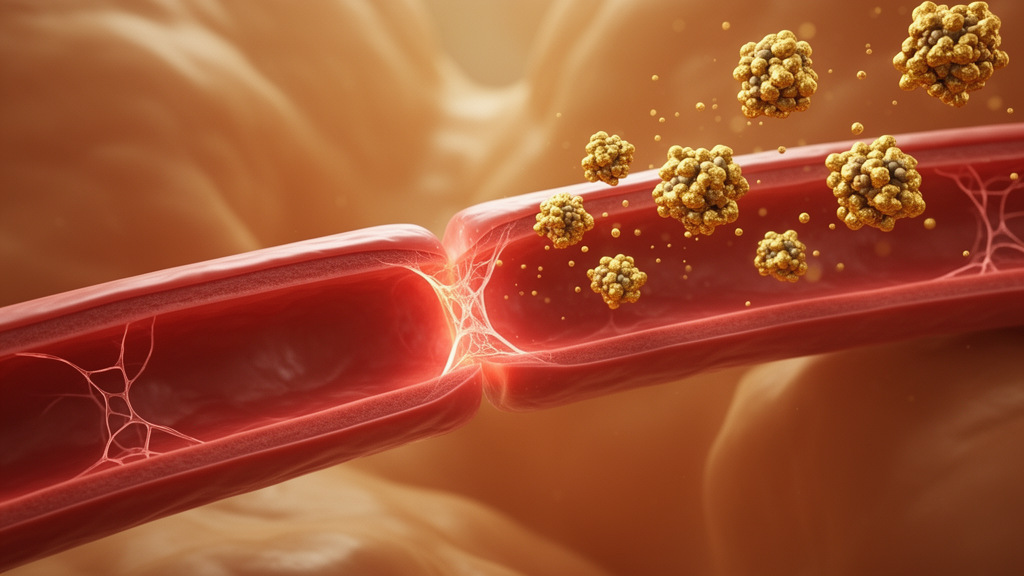
Intestinal perforation is a late complication of typhoid fever and its leading cause of death, yet its mechanism has remained undefined. In the new model, systemic exposure to the toxin establishes a transient priming state in the vascular endothelium, the lining of blood vessels. When the mice are then infected orally, this priming leads to vascular injury, haemorrhage and lethal intestinal perforation, with lesions localized to Peyer’s patches, the immune structures of the small intestine. The lesions were accompanied by the appearance of microbiota-derived bacterial taxa in the blood, consistent with translocation across a breached small-intestinal barrier.

Experiments with mutant Salmonella strains pinpointed which bacterial weapons drive the lethality. Death required the SPI-1 type-III secretion system, which drives intestinal inflammation, but not the SPI-2 type-III secretion system, which drives systemic infection. The authors conclude that the mice died from intestinal rather than disseminated infection, and that systemic proliferation of S. Typhi was not associated with lethality.

The study also clarified what the priming step actually involves. Although PltC-typhoid toxin causes leucopaenia, the loss of circulating white blood cells was not sufficient to sensitize the animals, pointing instead to a direct effect on the endothelium. Supporting this, endothelial-specific expression of CMAH, an enzyme that masks the toxin’s Neu5Ac receptors, prevented both priming and disease. On the basis of these findings, the researchers define intestinal perforation as a typhoid toxin-dependent vascular-barrier disease, in which circulating toxin prepares the vessel lining so that subsequent intestinal infection can breach the barrier. The findings come from mouse experiments and describe a model of late-stage human typhoid; the authors note that in this model circulating toxin precedes the onset of intestinal pathology, mirroring the sequence they propose for the human disease.

Subject of Research: Mechanism of typhoid toxin-dependent intestinal perforation during Salmonella Typhi infection

Article Title: Systemic exposure to typhoid toxin primes the murine vascular endothelium for intestinal perforation during Salmonella Typhi infection

Article References: Zhao, H., Hua, C., Hur, J. I., Lara-Tejero, M., & Galán, J. E. (2026). Systemic exposure to typhoid toxin primes the murine vascular endothelium for intestinal perforation during Salmonella Typhi infection. Nature Microbiology. https://doi.org/10.1038/s41564-026-02521-1

Image Credits: AI Generated

DOI: 10.1038/s41564-026-02521-1

Keywords: typhoid fever, typhoid toxin, Salmonella Typhi, intestinal perforation, vascular endothelium, Peyer's patches, SPI-1 T3SS, SPI-2 T3SS, CMAH, gut barrier, Nature Microbiology, mouse model

News Source: Kristina Jarvis. (October 29, 2026). Typhoid toxin primes mouse blood vessels for fatal intestinal perforation. Scienmag.


Tags: CMAHgut barrierintestinal perforationmouse modelNature MicrobiologyPeyer's patchesSalmonella TyphiSPI-1 T3SSSPI-2 T3SStyphoid fevertyphoid toxinVascular Endothelium
Share12Tweet7Share2ShareShareShare1

Related Posts

Automated VHF tracker alerts researchers to returning penguins within minutes

Automated VHF tracker alerts researchers to returning penguins within minutes

October 30, 2026
Diet Shapes the Gut Microbes of Kruger's Wild Mammals, Study Finds

Diet Shapes the Gut Microbes of Kruger’s Wild Mammals, Study Finds

October 30, 2026

CD34+ Telocytes Drive Angiogenesis and Wound Healing Through Sema3c Signaling

October 30, 2026

Midday Sunlight Yields Smaller Copper Nanoparticles With Stronger Antibacterial Activity

October 29, 2026

POPULAR NEWS

  • Global Financing Facility falls short on adolescent health funding in three country case studies

    Global Financing Facility falls short on adolescent health funding in three country case studies

    29 shares
    Share 12 Tweet 7
  • Prostate Cancer Detection Rose After MRI Arrived, But a Single-Centre Study Says the Reason Stays Unclear

    29 shares
    Share 12 Tweet 7
  • Midday Sunlight Yields Smaller Copper Nanoparticles With Stronger Antibacterial Activity

    29 shares
    Share 12 Tweet 7
  • Never-Smoker COPD Shows Stronger Lung Function Gains from Salbutamol and Glycopyrronium

    29 shares
    Share 12 Tweet 7

About

We bring you the latest biotechnology news from best research centers and universities around the world. Check our website.

Follow us

Recent News

Giant Pituitary Tumors Linked to Higher Risk of Postoperative Stroke

Low-Dose Iohexol Infusion Tracks Kidney Filtration in Pigs

Automated VHF tracker alerts researchers to returning penguins within minutes

Subscribe to Blog via Email

Enter your email address to subscribe to this blog and receive notifications of new posts by email.

Join 86 other subscribers
  • Contact Us

Bioengineer.org © Copyright 2023 All Rights Reserved.

Welcome Back!

Login to your account below

Forgotten Password?

Retrieve your password

Please enter your username or email address to reset your password.

Log In
No Result
View All Result
  • Homepages
    • Home Page 1
    • Home Page 2
  • News
  • National
  • Business
  • Health
  • Lifestyle
  • Science

Bioengineer.org © Copyright 2023 All Rights Reserved.
