An exploratory multi-dataset transcriptomic analysis of tuberculosis-diabetes comorbidity has revealed that host autophagy-related transcriptional alterations are predominantly associated with tuberculosis status rather than a specific disease interaction. In the study, a total of 310 autophagy-related genes were differentially expressed when comparing individuals with both tuberculosis and diabetes to healthy controls, comprising 175 up-regulated genes and 135 down-regulated genes. However, direct comparisons and a formal interaction test demonstrated that none of the prioritised genes distinguished patients with both conditions from those with tuberculosis alone, and no gene showed a statistically significant interaction after multiple-testing correction.
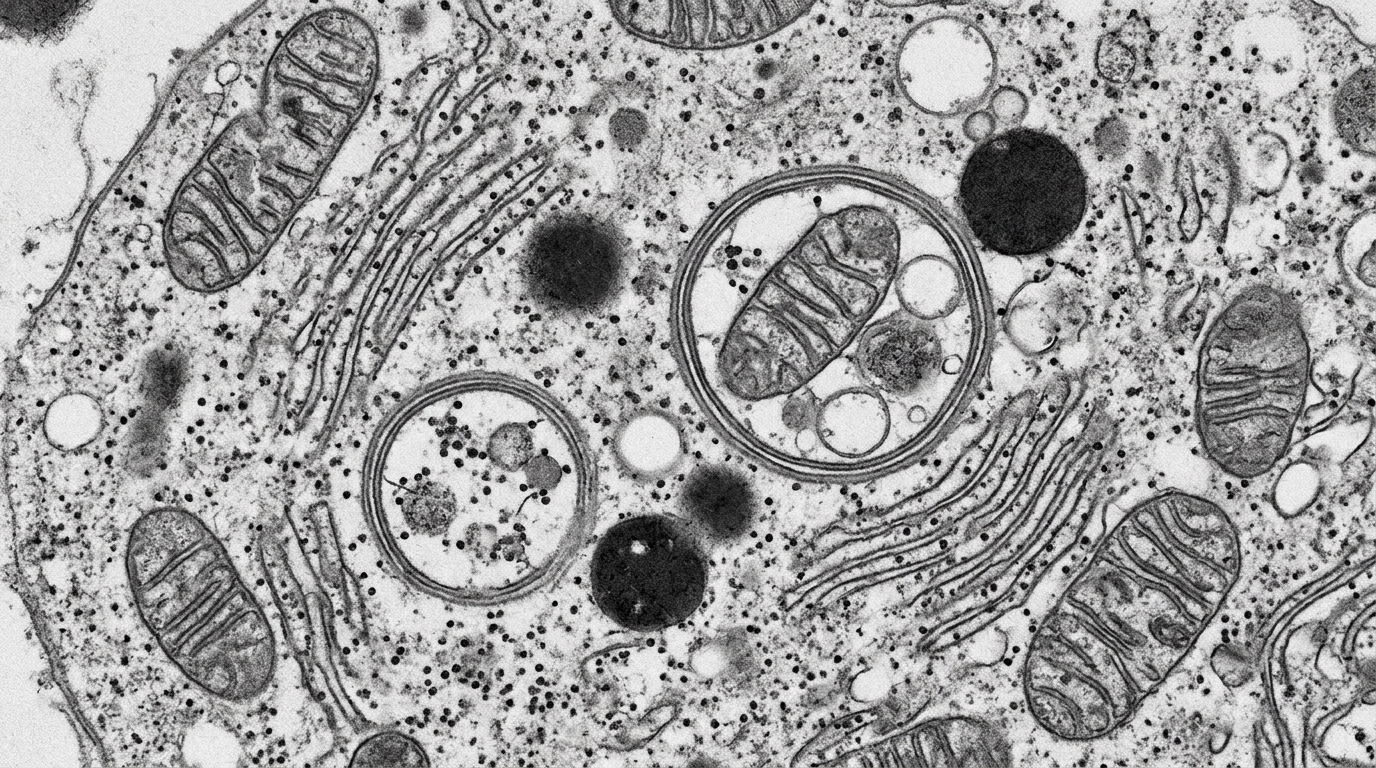
The investigation addressed the transcriptional organisation of autophagy-related genes in comorbidity, where tuberculosis and diabetes co-occurrence is associated with altered host immunity and poorer clinical outcomes. While autophagy is relevant to intracellular mycobacterial control, its transcriptional patterns in this dual-disease context remained incompletely defined. To investigate these profiles, researchers compiled autophagy-related genes using the Gene Ontology autophagy term and its descendants, creating a focused framework to assess expression changes across publicly available data.
The analytical design relied on public transcriptomic datasets related to tuberculosis-diabetes comorbidity, centered on the primary discovery set GSE114192. This primary cohort included 61 individuals with tuberculosis-diabetes comorbidity, 46 with tuberculosis alone, 52 with diabetes alone, and 36 healthy controls. In addition, datasets representing drug-resistant tuberculosis and lesion tissue were evaluated strictly as complementary, cross-context resources rather than as directly matched comorbidity cohorts or validation populations.
Across the comparative analyses, 253 autophagy-related genes were altered in the tuberculosis-only group relative to controls, 139 were altered in the diabetes-only comparison, and 78 genes were shared across all three evaluated disease groups. Protein interaction analysis of the prioritised genes uncovered a connected network of 196 interactions among 60 genes, where MTOR, GABARAPL2, BCL2, RPTOR, ATG7, and ATG3 emerged as the most central nodes. Pathway enrichment analysis was dominated by canonical autophagy, mitophagy, lysosome, and mTOR-related terms. Furthermore, a logistic classification model constructed using autophagy genes selected under nested cross-validation achieved an area under the receiver operating characteristic curve of 0.974, with a 95 percent confidence interval ranging from 0.946 to 0.993.
Despite the high performance within the discovery data, the logistic model demonstrated substantial limitations when tested across different tissue contexts. When applied to an independent pulmonary-lesion dataset, the model showed no discriminative transfer, recording an area under the receiver operating characteristic curve of only 0.558 and confirming that the model should not be regarded as validated across tissues. The authors concluded that their findings establish a hypothesis-generating framework for host-directed investigations in diabetes-associated tuberculosis while identifying a coherent autophagy-related transcriptional programme that requires orthogonal experimental validation.
Subject of Research: Host autophagy-related transcriptional signatures in tuberculosis-diabetes comorbidity
Article Title: Host autophagy-related transcriptional signatures in tuberculosis-diabetes comorbidity: an exploratory multi-dataset transcriptomic analysis
Article References: Lu, Y. (2026). Host autophagy-related transcriptional signatures in tuberculosis-diabetes comorbidity: an exploratory multi-dataset transcriptomic analysis. BMC Infectious Diseases. https://doi.org/10.1186/s12879-026-14669-6
Image Credits: AI Generated
DOI: 10.1186/s12879-026-14669-6
Keywords: tuberculosis, diabetes, comorbidity, autophagy, transcriptomics, gene expression, MTOR, biomarkers, Host, autophagy-related, transcriptional, signatures
News Source: Juliet Wilcox. (November 6, 2026). Transcriptomic Analysis Examines Autophagy Signatures in Tuberculosis and Diabetes Comorbidity. Scienmag.