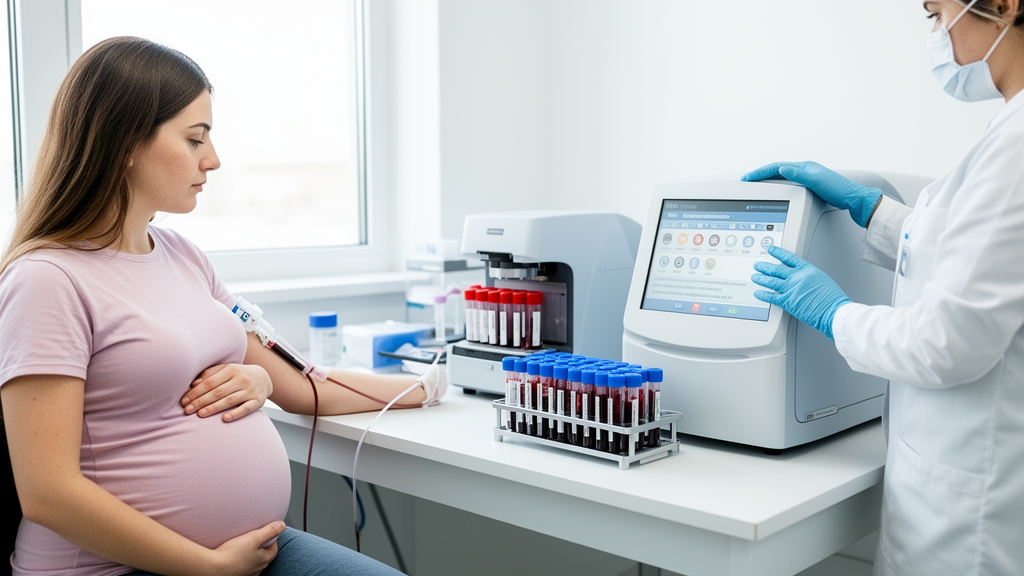
A retrospective cross-sectional study of 2,300 pregnant women attending a single center in southeastern Türkiye found high rubella and cytomegalovirus IgG seropositivity, substantial Toxoplasma gondii seronegativity and relatively low anti-HBs levels. The analysis also reported anti-HCV seropositivity of 0.3% and anti-HIV seropositivity of 0.1% among the first-trimester participants.
TORCH infections are among the major causes of congenital infections and adverse perinatal outcomes during pregnancy, making serological assessment during antenatal care an important part of understanding the infection-related risks in a pregnant population. Because regional seroprevalence data were limited in southeastern Türkiye, the investigators examined antibody results from a large, single-center cohort to characterize TORCH infection seroprevalence, hepatitis B serological status and the prevalence of selected bloodborne infections.
The study included 2,300 pregnant women who presented during the first trimester. The evaluated serological results included rubella, Toxoplasma gondii, cytomegalovirus and syphilis markers, together with anti-HBs, anti-HCV and anti-HIV antibodies. Seroprevalence estimates were accompanied by 95% confidence intervals. Investigators used chi-square tests to examine associations between serological findings and demographic characteristics, and multivariate logistic regression analyses to identify variables independently associated with particular serological results.
Rubella IgG was detected in 92.3% of the pregnant women, and cytomegalovirus IgG was detected in 99.9%. Toxoplasma gondii IgG seropositivity was substantially lower at 11.9%, leaving 88.1% of the cohort seronegative for that antibody. These results describe the distribution of the tested serological markers in this clinical sample rather than rates of current infection or congenital transmission. The supplied study abstract did not provide a numerical seroprevalence estimate for syphilis.
<
Anti-HBs antibodies were detected in 37.1% of participants, while 62.9% had anti-HBs levels below 10 mIU/mL, the serological threshold used in the study to indicate protection. Detection of anti-HBs and the concentration measured relative to that threshold are therefore distinct findings in the report. Vaccination histories were unavailable, so the researchers could not determine how strongly the values below 10 mIU/mL should be interpreted as evidence of clinical immunity.
Antibodies associated with hepatitis C and HIV were uncommon in the cohort: anti-HCV seropositivity was 0.3% and anti-HIV seropositivity was 0.1%. These measured rates apply to the 2,300 women included in the retrospective analysis and should not be assumed to represent every pregnant person in southeastern Türkiye or in other regions. The study was not designed to establish trends over time, and the abstract does not support comparisons showing whether any infection increased or declined.
Age was the demographic variable highlighted in the analysis. Toxoplasma gondii IgG seropositivity was significantly associated with age in the chi-square analysis, with p less than 0.001. In the multivariate model, each additional year of age was associated with higher odds of Toxoplasma IgG seropositivity, with an odds ratio of 1.37 and a 95% confidence interval of 1.22–1.54. This is an adjusted statistical association, not evidence that aging causes Toxoplasma infection or changes an individual woman’s serostatus.
Increasing age showed the opposite relationship with anti-HBs seropositivity. The multivariate odds ratio was 0.73 per year of age, with a 95% confidence interval of 0.67–0.79, indicating that the odds of anti-HBs seropositivity were lower as age increased in this cohort. The study did not establish a causal mechanism for that association, and the missing vaccination records limit interpretation of the result in relation to immunity.
Several design features constrain the conclusions. The work was retrospective and cross-sectional, used one clinical center and included only women presenting during the first trimester, so the estimates may not represent all pregnant women in southeastern Türkiye. The analysis focused on serological results, while the supplied evidence does not provide detailed findings for every clinical outcome or every demographic comparison. The authors specifically called for further studies that incorporate vaccination records and additional clinical variables to clarify the significance of anti-HBs measurements below the reference threshold.
Overall, the study identified a cohort in which rubella and cytomegalovirus IgG positivity was very high, Toxoplasma gondii seronegativity affected a large share of participants, and anti-HBs seropositivity was comparatively limited. It also recorded low anti-HCV and anti-HIV seropositivity. The findings provide a single-center snapshot of serological status and associated demographic patterns, with the lack of vaccination history and broader clinical information limiting stronger claims about immunity or clinical protection.
Subject of Research: Seroprevalence of TORCH infections and hepatitis B serological status among pregnant women in southeastern Türkiye
Article Title: Seroprevalence of TORCH ınfections and hepatitis B serological status among pregnant women in southeastern Türkiye: a retrospective cross-sectional study
Article References: Karababa, G., Uckan, K., & Baskiran, Y. (2026). Seroprevalence of TORCH ınfections and hepatitis B serological status among pregnant women in southeastern Türkiye: a retrospective cross-sectional study. BMC Infectious Diseases. https://doi.org/10.1186/s12879-026-14344-w
Image Credits: AI Generated
DOI: 10.1186/s12879-026-14344-w
Keywords: TORCH infections, pregnancy, seroprevalence, rubella IgG, cytomegalovirus, Toxoplasma gondii, hepatitis B, anti-HBs, hepatitis C, HIV, southeastern Türkiye, retrospective study
News Source: Kristina Jarvis. (October 22, 2026). TORCH and hepatitis B serology assessed in 2,300 pregnant women in Türkiye. Scienmag.