• HOME
  • NEWS
  • EXPLORE
    • CAREER
      • Companies
      • Jobs
    • EVENTS
    • iGEM
      • News
      • Team
    • PHOTOS
    • VIDEO
    • WIKI
  • BLOG
  • COMMUNITY
    • FACEBOOK
    • INSTAGRAM
    • TWITTER
Wednesday, August 19, 2026
BIOENGINEER.ORG
No Result
View All Result
  • Login
  • HOME
  • NEWS
  • EXPLORE
    • CAREER
      • Companies
      • Jobs
        • Lecturer
        • PhD Studentship
        • Postdoc
        • Research Assistant
    • EVENTS
    • iGEM
      • News
      • Team
    • PHOTOS
    • VIDEO
    • WIKI
  • BLOG
  • COMMUNITY
    • FACEBOOK
    • INSTAGRAM
    • TWITTER
  • HOME
  • NEWS
  • EXPLORE
    • CAREER
      • Companies
      • Jobs
        • Lecturer
        • PhD Studentship
        • Postdoc
        • Research Assistant
    • EVENTS
    • iGEM
      • News
      • Team
    • PHOTOS
    • VIDEO
    • WIKI
  • BLOG
  • COMMUNITY
    • FACEBOOK
    • INSTAGRAM
    • TWITTER
No Result
View All Result
Bioengineer.org
No Result
View All Result
Home NEWS Science News Health

There’s no place like home: study finds home care effective for patients with blood clots

Bioengineer by Bioengineer
August 16, 2018
in Health
Reading Time: 2 mins read
0
Share on FacebookShare on TwitterShare on LinkedinShare on RedditShare on Telegram
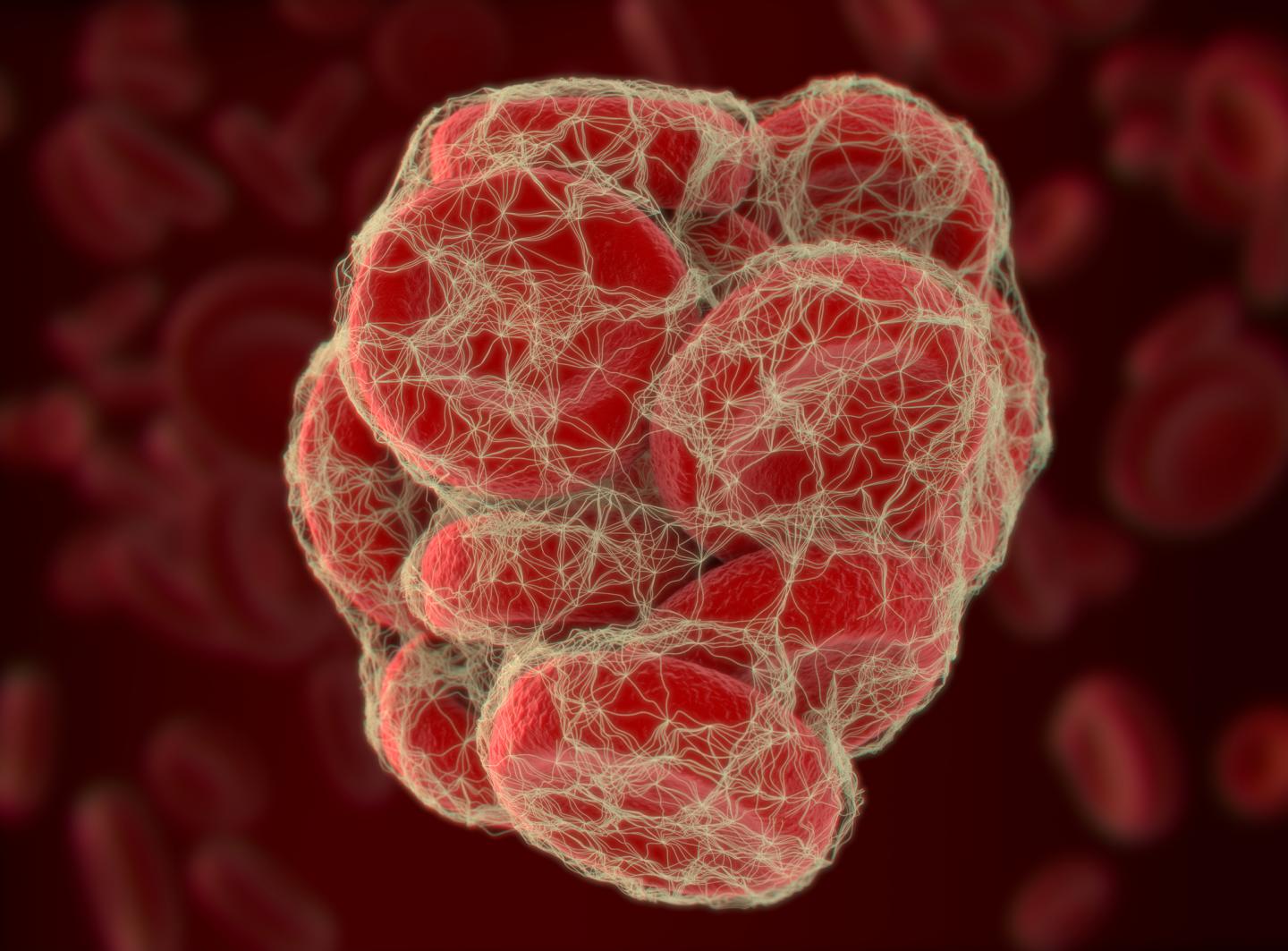
IMAGE

Credit: Intermountain Medical Center

A new study by researchers at Intermountain Healthcare in Salt Lake City has found that patients with low-risk blood clots may be better off receiving treatment at home versus being admitted to the hospital.

For the study, published in the journal CHEST, researchers tracked 200 patients who were treated for acute pulmonary embolisms or serious lung blood clots in five Intermountain Healthcare emergency departments, including Intermountain's Level I trauma center, Intermountain Medical Center, from 2013 to 2016. Through a series of tests including echocardiograms and ultrasounds, the patients were determined to have a low risk of developing severe complications from the blood clots.

Instead of being admitted to the hospital, patients were given an outpatient management strategy, which included steps like an oral anticoagulant or blood thinner, and/or blood thinner injections administered at home, and close follow up in clinics.

The patients were then tracked for 90 days. Researchers found that only one out of 200 patients enrolled in the study had any follow-up incidents that required hospitalization, and that patient's hospitalization was the result of an accident. The study also found that patients were much more satisfied with at-home care.

"We found a large subset of patients with blood clots who'd do well at home – in fact who probably did better at home," said Joseph Bledsoe, MD, research director in emergency medicine at Intermountain Medical Center. "When patients are sent home versus staying in the hospital, they're at lower risk of getting another infection. It's a lot less expensive, too."

Currently, the standard of care in the United States for acute pulmonary embolisms, which affect more than 200,000 patients in the U.S. annually, is hospitalization for all patients. That's recommended, in part, because their overall mortality rate is 17 percent.

However, the lower mortality rate among some appropriately risk-stratified patients suggests that at-home care, which has become the norm in some European countries, leads to better outcomes for those patients overall and less chance of a hospital-introduced infection, said Dr. Bledsoe.

"Our findings show that if you appropriately risk stratify patients, there are a lot of people with blood clots who are safe to go home," he said.

Dr. Bledsoe says the next step for researchers is for similar research to be conducted outside of the Intermountain Healthcare system to confirm the results, and with a larger group of people.

###

This study was made available online in February 2018 ahead of publication in the print edition of Chest this month.

Members of the Intermountain Healthcare research team include: Scott Woller, Scott Stevens, Todd Allen, Valerie Aston, Richard Patten, Lydia Dong, James Lloyd, James, Benjamin Horne, Troy Madsen, and Greg Elliott.

Media Contact

Jess C. Gomez
[email protected]
801-718-8495
@IntermtnMedCtr

http://www.ihc.com

Related Journal Article

http://dx.doi.org/10.1016/j.chest.2018.01.035
Share12Tweet8Share2ShareShareShare2

Related Posts

Calcified Tissue International and Musculoskeletal Research Names New Co-Editors-in-Chief

August 19, 2026

Delayed Bioorthogonal-Like STING Activation Enhances mRNA Vaccine Antitumor Immunity

August 19, 2026

Cortical thinning precedes high amyloid levels by at least seven years

August 19, 2026

Gut cGAS–STING–IFN signaling promotes obesity by reducing microbiota-derived IAA in male mice

August 19, 2026
Please login to join discussion

POPULAR NEWS

  • Rosiglitazone protects against renal ischemia-reperfusion-induced lung injury via HMGB1/MYH9-PPARγ pathway

    29 shares
    Share 12 Tweet 7
  • VITAL predicts peptide–protein interactions quantitatively while accounting for molecular interfaces

    29 shares
    Share 12 Tweet 7
  • Co-Packaged Optics Could Boost High-Performance Computing and Artificial Intelligence

    29 shares
    Share 12 Tweet 7
  • Room-Temperature Cavity-Magnonic Source Generates Correlated Microwave Magnon-Polariton Pairs

    29 shares
    Share 12 Tweet 7

About

We bring you the latest biotechnology news from best research centers and universities around the world. Check our website.

Follow us

Recent News

Rosiglitazone protects against renal ischemia-reperfusion-induced lung injury via HMGB1/MYH9-PPARγ pathway

VITAL predicts peptide–protein interactions quantitatively while accounting for molecular interfaces

Co-Packaged Optics Could Boost High-Performance Computing and Artificial Intelligence

Subscribe to Blog via Email

Enter your email address to subscribe to this blog and receive notifications of new posts by email.

Join 85 other subscribers
  • Contact Us

Bioengineer.org © Copyright 2023 All Rights Reserved.

Welcome Back!

Login to your account below

Forgotten Password?

Retrieve your password

Please enter your username or email address to reset your password.

Log In
No Result
View All Result
  • Homepages
    • Home Page 1
    • Home Page 2
  • News
  • National
  • Business
  • Health
  • Lifestyle
  • Science

Bioengineer.org © Copyright 2023 All Rights Reserved.