• HOME
  • NEWS
  • EXPLORE
    • CAREER
      • Companies
      • Jobs
    • EVENTS
    • iGEM
      • News
      • Team
    • PHOTOS
    • VIDEO
    • WIKI
  • BLOG
  • COMMUNITY
    • FACEBOOK
    • INSTAGRAM
    • TWITTER
Friday, May 15, 2026
BIOENGINEER.ORG
No Result
View All Result
  • Login
  • HOME
  • NEWS
  • EXPLORE
    • CAREER
      • Companies
      • Jobs
        • Lecturer
        • PhD Studentship
        • Postdoc
        • Research Assistant
    • EVENTS
    • iGEM
      • News
      • Team
    • PHOTOS
    • VIDEO
    • WIKI
  • BLOG
  • COMMUNITY
    • FACEBOOK
    • INSTAGRAM
    • TWITTER
  • HOME
  • NEWS
  • EXPLORE
    • CAREER
      • Companies
      • Jobs
        • Lecturer
        • PhD Studentship
        • Postdoc
        • Research Assistant
    • EVENTS
    • iGEM
      • News
      • Team
    • PHOTOS
    • VIDEO
    • WIKI
  • BLOG
  • COMMUNITY
    • FACEBOOK
    • INSTAGRAM
    • TWITTER
No Result
View All Result
Bioengineer.org
No Result
View All Result
Home NEWS Science News Biology

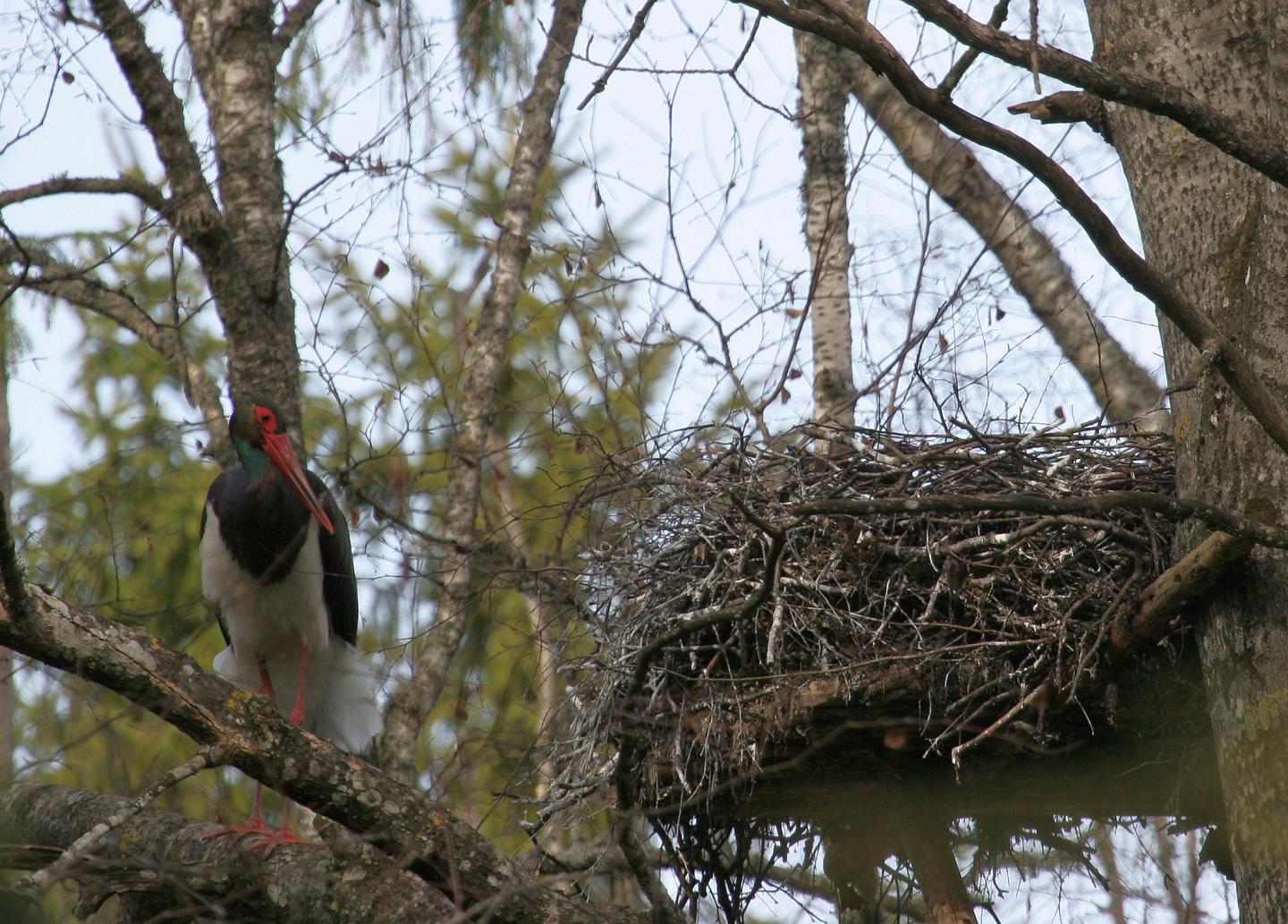
The black storks in Estonia are suffering from loneliness

Bioengineer by Bioengineer
February 6, 2019
in Biology
Reading Time: 2 mins read
0
IMAGE
Share on FacebookShare on TwitterShare on LinkedinShare on RedditShare on Telegram

IMAGE

Credit: Ülo Väli

In Estonia, the rare Black Stork are living on the northernmost edge of their distribution range. In recent decades, the population of the species has significantly declined; however, no unequivocal reason to it has been found. At the same time, the breeding success of the Black Stork in Estonia is much lower than in the rest of Europe, including Latvia and Lithuania.

A recently completed research by Estonian University of Life Sciences, NGO Eagle Club and Estonian Environment Agency tried to find out the factors impacting the low breeding success of the Black Stork that has led to the decline of its Estonian population. In the course of six years, automated cameras were installed close to the nests of the Black Stork all over Estonia in order to record events in the nest. Each year, up to twenty cameras were installed and a total of nearly 450 000 photos were analysed.

At first, the effect of predation on the breeding success was analysed, as the European pine marten was previously considered the main predator. However, the impact of predatory animals proved very low. As a surprise, it came out that one third of the nests of the Black Stork in Estonia are inhabited by single birds who cannot breed due to lack of partner. Such single birds may leave their nests and annoy breeding couples. Thus, the Black Stork in Estonia lack partners who may have died on long migration routes or proceeded to breed elsewhere where living conditions are more favourable than here. On the one side, the results of the research help clarify the ecology of factors shaping the species’ range; on the other hand, they enable to pinpoint how to plan further steps for the protection of the species.

###

Media Contact
Ülo Väli
[email protected]
372-731-1883

Tags: Biology
Share12Tweet8Share2ShareShareShare2

Related Posts

Root-Knot Nematodes Hijack Plant Signaling Peptides — Biology

Root-Knot Nematodes Hijack Plant Signaling Peptides

May 15, 2026
61 Newly Discovered Beetle Species Highlight How Much We Still Have to Learn About Biodiversity — Biology

61 Newly Discovered Beetle Species Highlight How Much We Still Have to Learn About Biodiversity

May 15, 2026

Supercomputer Simulations Uncover How Bacterial Enzyme Pumps Sodium Ions, Opening Doors to Novel Antibiotics

May 15, 2026

New Astrobiology Special Collection Highlights Emerging Evidence Supporting Land-Based Origins of Life

May 14, 2026
Please login to join discussion

POPULAR NEWS

  • Research Indicates Potential Connection Between Prenatal Medication Exposure and Elevated Autism Risk

    843 shares
    Share 337 Tweet 211
  • New Study Reveals Plants Can Detect the Sound of Rain

    729 shares
    Share 291 Tweet 182
  • Salmonella Haem Blocks Macrophages, Boosts Infection

    62 shares
    Share 25 Tweet 16
  • Breastmilk Balances E. coli and Beneficial Bacteria in Infant Gut Microbiomes

    58 shares
    Share 23 Tweet 15

About

We bring you the latest biotechnology news from best research centers and universities around the world. Check our website.

Follow us

Recent News

Personalized beverages offer vital nutrients for space missions, new study reveals

Innovative Ultrasonic Framework Enhances Real-Time Measurement of Oil Film Thickness in Rolling Bearings

HESpotEx: Deep Learning Predicts Gene Expression from Histology

Subscribe to Blog via Email

Enter your email address to subscribe to this blog and receive notifications of new posts by email.

Join 82 other subscribers
  • Contact Us

Bioengineer.org © Copyright 2023 All Rights Reserved.

Welcome Back!

Login to your account below

Forgotten Password?

Retrieve your password

Please enter your username or email address to reset your password.

Log In
No Result
View All Result
  • Homepages
    • Home Page 1
    • Home Page 2
  • News
  • National
  • Business
  • Health
  • Lifestyle
  • Science

Bioengineer.org © Copyright 2023 All Rights Reserved.