In a groundbreaking study, researchers have unlocked a critical mechanism by which megakaryocytic TGFβ1 influences bone health, particularly in conditions of radiation-induced bone loss. This research emerges against the backdrop of growing concern regarding the impact of radiation exposure on bone density and integrity, a topic that bears immense significance in both clinical and therapeutic domains. Understanding these intricate biological processes could pave the way for novel interventions aimed at mitigating the detrimental effects of radiation on the skeletal system.
The study meticulously examines the role of TGFβ1 secreted by megakaryocytes, a type of bone marrow cell pivotal for platelet production, in orchestrating the behavior of LepR+ skeletal stem cells (SSCs). It postulates that TGFβ1 serves as a vital signaling molecule that not only influences the differentiation of these stem cells but also plays a crucial role in the regenerative processes necessary for maintaining bone architecture. This discovery is particularly relevant in the context of radiation therapy, where patients often experience significant bone loss and compromised skeletal integrity.
Radiation therapy, while effective for treating various malignancies, inadvertently leads to unwanted side effects, including the reduction of bone mass and the weakening of the skeletal framework. The findings from Tang et al. demonstrate that megakaryocytic TGFβ1 activation can be a promising avenue to counteract such adverse effects. By enhancing the osteogenic potential of LepR+ SSCs, TGFβ1 acts as a protective agent, promoting bone formation and thereby alleviating the impact of radiation-induced damage.
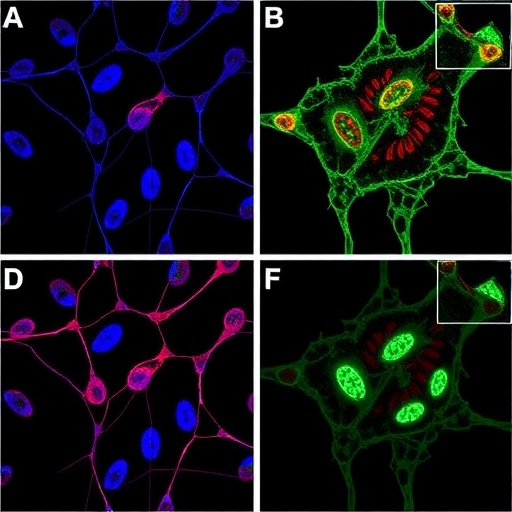
A major highlight of the research is the experimental design, involving both in vitro and in vivo models that substantiate the multifaceted roles of TGFβ1 in bone metabolism. The in vitro studies showcased a detailed interaction between TGFβ1 and its target cells, showing upregulation in osteogenic markers following treatment. This provides compelling evidence that TGFβ1 is not merely a supportive factor in bone biology but a potent driver of bone regeneration.
Furthermore, in vivo experiments in murine models of radiation exposure indicated a significant decrease in bone loss in subjects treated with TGFβ1. The treated groups exhibited enhanced bone density and structural integrity, suggesting a direct correlation between TGFβ1 levels and osteogenic activity following radiation exposure. Such results highlight the potential of utilizing TGFβ1 as a therapeutic agent in clinical settings, particularly for patients undergoing radiation therapy for cancer treatment.
In this study, a novel aspect is how TGFβ1 may be strategically administered to enhance its osteogenic effects without triggering adverse signals that typically accompany TGFβ signaling, such as fibrosis. The researchers adeptly navigated this balance by modifying the delivery mechanisms and dosages of TGFβ1, providing a promising framework for future clinical applications.
The biochemical pathways delineated in this research also underscore the intricate nature of cell signaling in the bone microenvironment. By analyzing the downstream effects of TGFβ1 on gene expression in SSCs, the authors elucidated a complex network of interactions. This level of detail not only enriches our understanding of bone biology but also lays a foundation for targeted therapies that may one day revolutionize treatment protocols for bone loss.
Moreover, this research intersects with ongoing explorations into the regenerative capabilities of different cell types within the bone marrow, revealing how intercellular communication can dictate outcomes in bone health. The discovery of TGFβ1’s role serves as a pivotal reminder of the multifaceted nature of cell signaling and its critical implications for bone regeneration, particularly in pathophysiological contexts induced by external factors like radiation.
In conclusion, Tang et al.’s study introduces a paradigm shift in how we perceive the interplay between megakaryocytes and skeletal stem cells concerning bone health in radiation context. As the medical field continues to grapple with the ramifications of radiation exposure, the implications of this discovery are profound, potentially leading to enhanced protective strategies for patients and offering a glimpse into a future where bone loss may be effectively managed at a molecular level.
The journey toward therapeutically harnessing TGFβ1 for clinical use is one filled with promise, requiring further investigation to fully unravel the complexities of its actions. As we deepen our understanding of TGFβ1 in the context of bone health and regeneration, there is hope that this research will catalyze innovative strategies to safeguard patients undergoing radiation therapy from one of its gravest side effects—bone loss.
With these findings on the table, the conversation now shifts towards integrating such elements into treatment regimens, encouraging collaborative efforts between researchers and clinicians. The ultimate goal remains clear: to mitigate the side effects of radiation therapy while bolstering bone integrity, thus enhancing the quality of life for patients in oncology settings.
Subject of Research: The influence of megakaryocytic TGFβ1 on osteogenic processes in LepR+ SSCs to counteract radiation-induced bone loss.
Article Title: Megakaryocytic TGFβ1 orchestrates osteogenesis of LepR+ SSCs to alleviate radiation-induced bone loss.
Article References:
Tang, Y., Tan, J., Yu, Q. et al. Megakaryocytic TGFβ1 orchestrates osteogenesis of LepR+ SSCs to alleviate radiation-induced bone loss.
Exp Mol Med (2026). https://doi.org/10.1038/s12276-025-01612-z
Image Credits: AI Generated
DOI: 14 January 2026
Keywords: Megakaryocytes, TGFβ1, osteogenesis, LepR+ SSCs, radiation-induced bone loss, bone health, skeletal regeneration, cancer therapy.
Tags: bone density and radiation therapybone marrow cell functionsclinical implications of TGFβ1mechanisms of bone regeneration after radiationmegakaryocytes and bone healthplatelet production and bone healthradiation-induced bone lossregenerative processes in bone architectureskeletal integrity post-radiationskeletal stem cell differentiationTGFβ1 signaling in bone healingtherapeutic interventions for radiation effects