• HOME
  • NEWS
  • EXPLORE
    • CAREER
      • Companies
      • Jobs
    • EVENTS
    • iGEM
      • News
      • Team
    • PHOTOS
    • VIDEO
    • WIKI
  • BLOG
  • COMMUNITY
    • FACEBOOK
    • INSTAGRAM
    • TWITTER
Saturday, May 16, 2026
BIOENGINEER.ORG
No Result
View All Result
  • Login
  • HOME
  • NEWS
  • EXPLORE
    • CAREER
      • Companies
      • Jobs
        • Lecturer
        • PhD Studentship
        • Postdoc
        • Research Assistant
    • EVENTS
    • iGEM
      • News
      • Team
    • PHOTOS
    • VIDEO
    • WIKI
  • BLOG
  • COMMUNITY
    • FACEBOOK
    • INSTAGRAM
    • TWITTER
  • HOME
  • NEWS
  • EXPLORE
    • CAREER
      • Companies
      • Jobs
        • Lecturer
        • PhD Studentship
        • Postdoc
        • Research Assistant
    • EVENTS
    • iGEM
      • News
      • Team
    • PHOTOS
    • VIDEO
    • WIKI
  • BLOG
  • COMMUNITY
    • FACEBOOK
    • INSTAGRAM
    • TWITTER
No Result
View All Result
Bioengineer.org
No Result
View All Result
Home NEWS Science News Biology

Tailings dumped into Portmán Bay continue to release metals into the sea 25 years later

Bioengineer by Bioengineer
October 16, 2019
in Biology
Reading Time: 2 mins read
0
IMAGE
Share on FacebookShare on TwitterShare on LinkedinShare on RedditShare on Telegram

IMAGE

Credit: ICTA-UAB

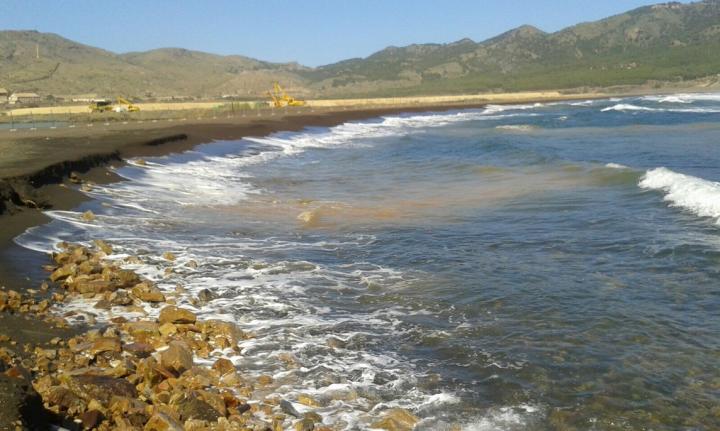
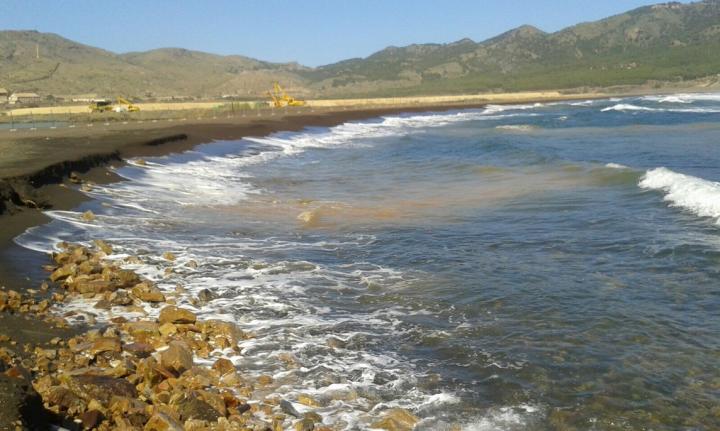
The waters of the Mediterranean Sea continue to receive dissolved metals from the mining waste deposited in Portmán Bay (Murcia) 25 years after the cessation of mining activity. A study by researchers from the Institute of Environmental Science and Technology of the Universitat Autònoma de Barcelona (ICTA-UAB), in collaboration with UB researchers, shows that the sea continues to be contaminated through groundwater containing heavy metals such as iron, cadmium, nickel, zinc and lead.

Portmán Bay is a paradigmatic case of impact from mining activities on the Mediterranean coast. Mining activity in the area dates back to Roman times, but it was between 1957 and 1990 when a large-scale open-air exploitation was conducted that led to the dumping of 57 million tons of waste into the bay, with a volume equivalent to 130 times a sports stadium with capacity for 100,000 people. When the spillages ceased due to social pressure against their ecological impact, among other reasons, the waste had already filled a large part of the bay and stretched out to sea. The study, recently published in the journal Science of the Total Environment, demonstrates that metals continue to enter the sea through groundwater discharges that circulate inside the landfill, and by the recirculation of seawater through the waste due to waves, especially during sea storms. “Around 10% of metals, mainly iron, reach the sea through underground discharges, while recirculation transports the rest of metals such as nickel, zinc, lead and cadmium,” explains Aaron Alorda Kleinglass, researcher at the ICTA-UAB and first author of the study.

Research shows that groundwater and sediments are much more contaminated by metals than the surface marine waters of the bay. “This is because when iron comes into contact with seawater, iron hydroxides are formed, which drag the dissolved metals in the water column into the sediments,” says Jordi Garcia-Orellana, ICTA-UAB researcher. In addition, episodes of cold drop such as those in September increase the entry of metals, both due to the effects of rains and the rise of the sea and waves.

Scientists warn that in the framework of the restoration project that is being carried out in the emergent part of Portmán Bay, it is advisable to avoid communicating groundwater more heavily loaded with metals with seawater, as this fact could increase notably the amount of metals released into the marine environment. “It is essential to carry out new on-the-spot research, since we still do not know exactly what the new dynamics of groundwater will be once the restoration project is finished,” concludes Valentí Rodellas.

###

Media Contact
Isabel Lopera
[email protected]
0034-935-868-652

Related Journal Article

http://dx.doi.org/10.1016/j.scitotenv.2019.06.224

Tags: Chemistry/Physics/Materials SciencesEcology/EnvironmentGeology/SoilHydrology/Water ResourcesPollution/Remediation
Share12Tweet8Share2ShareShareShare2

Related Posts

Uncovering C. elegans Immunity via Genetic Screens — Biology

Uncovering C. elegans Immunity via Genetic Screens

May 16, 2026
Single mother must adapt swiftly — the survival of her colony depends on it — Biology

Single mother must adapt swiftly — the survival of her colony depends on it

May 15, 2026

Why Are Nearly Everyone Right-Handed? It Might Be Linked to How We Learned to Walk

May 15, 2026

Excessive Neuronal Activity Initiates Severe Autoimmune Brain Disorder

May 15, 2026
Please login to join discussion

POPULAR NEWS

  • Research Indicates Potential Connection Between Prenatal Medication Exposure and Elevated Autism Risk

    844 shares
    Share 338 Tweet 211
  • New Study Reveals Plants Can Detect the Sound of Rain

    730 shares
    Share 291 Tweet 182
  • Salmonella Haem Blocks Macrophages, Boosts Infection

    62 shares
    Share 25 Tweet 16
  • Breastmilk Balances E. coli and Beneficial Bacteria in Infant Gut Microbiomes

    58 shares
    Share 23 Tweet 15

About

We bring you the latest biotechnology news from best research centers and universities around the world. Check our website.

Follow us

Recent News

Uncovering C. elegans Immunity via Genetic Screens

Congenital Heart Disease’s Lasting Impact on Brain Health

Metabolic Stress Worsens Parkinson’s via Mitochondrial Ferroptosis

Subscribe to Blog via Email

Enter your email address to subscribe to this blog and receive notifications of new posts by email.

Join 82 other subscribers
  • Contact Us

Bioengineer.org © Copyright 2023 All Rights Reserved.

Welcome Back!

Login to your account below

Forgotten Password?

Retrieve your password

Please enter your username or email address to reset your password.

Log In
No Result
View All Result
  • Homepages
    • Home Page 1
    • Home Page 2
  • News
  • National
  • Business
  • Health
  • Lifestyle
  • Science

Bioengineer.org © Copyright 2023 All Rights Reserved.