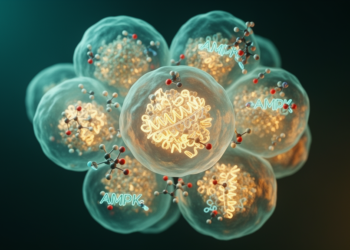
Experimental AMPK activator traps esophageal cancer cells in S phase, priming them for chemotherapy
A laboratory study reports that the AMPK activator AICAR selectively arrests esophageal squamous cell carcinoma cells in S phase through ...
A laboratory study reports that the AMPK activator AICAR selectively arrests esophageal squamous cell carcinoma cells in S phase through ...
A peer-reviewed review proposes that chronic DNA damage response signaling may connect senescence, inflammation and other aging processes, while emphasizing ...
A new Perspective proposes a unified pharmacological-toxicological framework treating ferroptosis, mitochondrial stress and redox imbalance as one axis governing both ...
New research shows that inhibiting mitochondrial complex I kills Theileria annulata-infected cells, including drug-resistant ones, and reveals a conserved mitochondrial ...
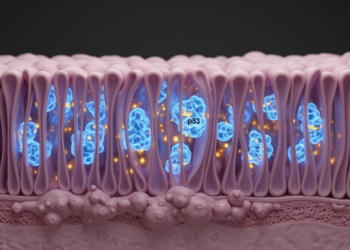
A Brazilian study finds that abnormal p53 expression identifies recurrence risk in non-invasive high-grade endometrial cancer, while wild-type tumors show ...
New research shows the plant polyphenol ellagic acid sensitizes wild-type TP53 colorectal tumors to oxaliplatin by suppressing ATM signaling and ...
Researchers have developed the first selective inhibitors of the NVL ATPase, blocking 60S ribosomal subunit assembly to activate p53 and ...
A new review in Cancer Cell International maps how the deubiquitinase USP7 acts as both tumor promoter and suppressor depending ...
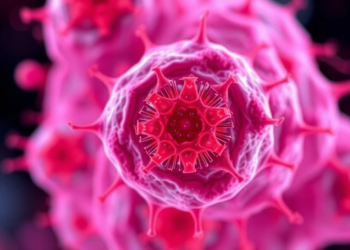
A Transformer deep learning model predicts cancer cell fates directly from live-cell videos with high accuracy up to eight hours ...
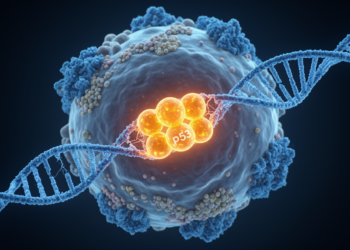
Researchers have discovered Δ246p53, a conserved 18-kilodalton p53 isoform translated from codon 246 that responds to DNA damage and enhances ...
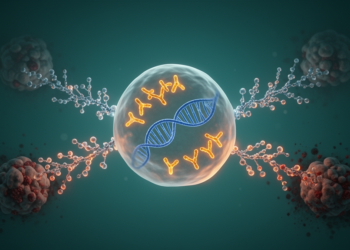
A new PLOS Genetics study shows that the Drosophila protein Xrp1 protects genome integrity through both a p53-dependent DNA damage ...
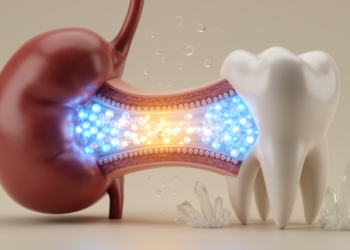
New research identifies the ion transporter SLC4A9 as a shared genetic driver of Sjögren's syndrome and amelogenesis imperfecta, linking both ...
New research shows that restoring the microRNAs miR-34a and miR-34c suppresses the survival, migration, invasion, and stemness of pediatric grade ...
New research shows that gamma irradiation drives p53 wild-type medulloblastoma cells into a senescent state that senolytic drugs such as ...
A new review in Virology Journal examines how siRNA and CRISPR/Cas gene-silencing technologies could target the HPV16 oncoproteins E5 and ...
A brain-penetrating acridine compound originally developed as an adrenergic receptor antagonist potently shuts down RNA polymerase I transcription, degrades the ...

A common inherited variant in the DDIT4 3′ UTR controls translation efficiency of the tumor-suppressing stress-response gene, reshaping mTOR signaling, ...

A new review in the Archives of Dermatological Research proposes that melatonin, through antioxidant, DNA-repair, and circadian mechanisms, may serve ...
A new review proposes that misregulation of developmental senescence, a transient embryonic cell-arrest program, may contribute to the congenital defects ...
New research reveals that the RNA splicing factor LUC7L2 drives ferroptotic kidney damage from cisplatin by corrupting the splicing of ...