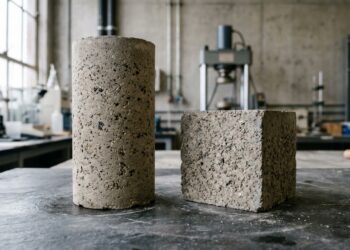
Ternary Geopolymer Mixes Reach 15.2 MPa Strength
A study published in Discover Concrete and Cement found that a ternary binder mix of cement, fly ash, and silica ...
A study published in Discover Concrete and Cement found that a ternary binder mix of cement, fly ash, and silica ...
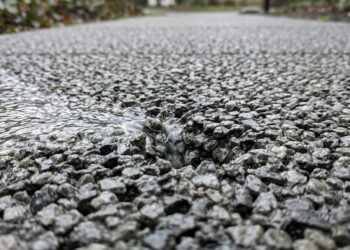
Researchers developed an explainable machine learning model that accurately predicts the hydraulic permeability of sustainable fly ash pervious concrete while ...
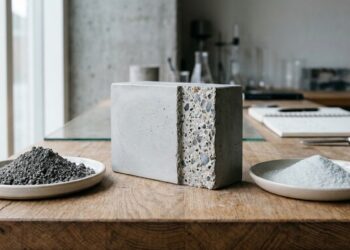
A screening study reveals that blending 10 percent fly ash with 15 percent glass powder improves concrete strength and eco-efficiency, ...
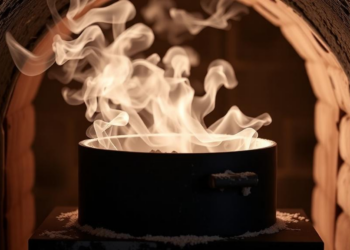
A laboratory study found oven-cured fly ash geopolymer mortar reached higher early strength than both steam-cured geopolymer and ordinary Portland ...
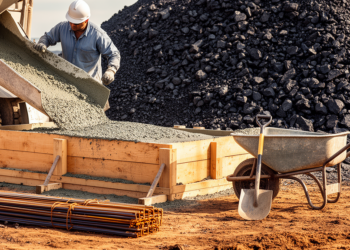
A one-part alkali-activated concrete in which coal mine overburden fully replaces natural sand reached 48.99 MPa at 28 days while ...
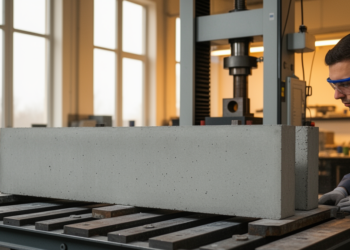
An 18-mixture response surface study identified optimized ambient-cured fly ash-slag geopolymer concrete mixes with 28-day compressive strength reaching 65.4 megapascals ...

A PSO-optimized XGBoost model predicted the compressive strength, elastic energy index and impact energy index of gangue-cemented backfill materials with ...
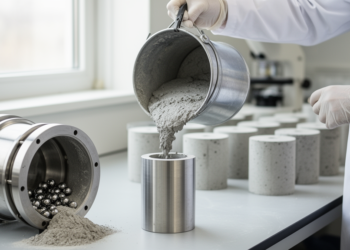
Ball milling fly ash and slag with solid alkali activator produced a one-part geopolymer with 240 mm fluidity, 47.5 MPa ...
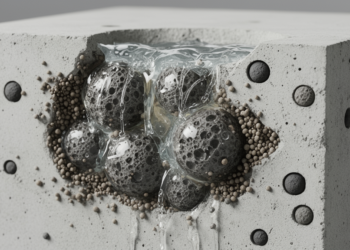
Laboratory tests found that sodium-hydroxide conditioning improved fly ash aggregate strength, concrete compressive capacity, interfacial bonding, and water resistance, while ...
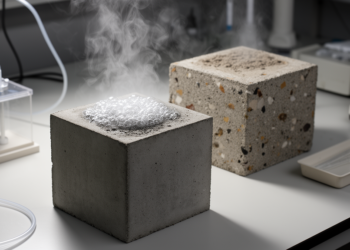
A hybrid experiment-and-model study found that accelerated carbonation curing modestly improved ordinary Portland cement durability but shortened modeled cover-cracking times ...
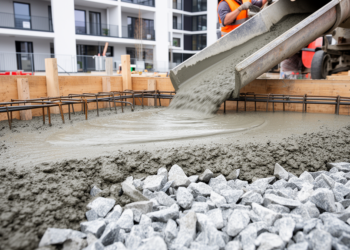
A laboratory study developed a mortar-rheology method for making high-fluidity concrete with crushed limestone sand, achieving flows above 600 mm ...
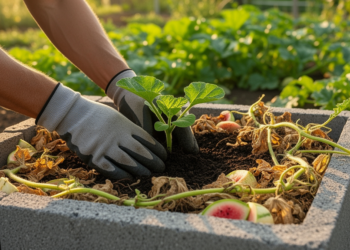
Researchers found that shredded watermelon vine waste can both reinforce ecological porous concrete and neutralize its alkalinity, enabling over 80 ...
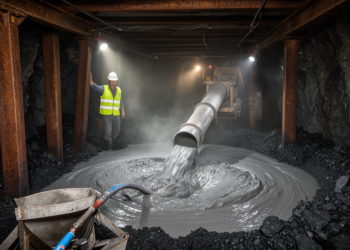
Chinese researchers show that highly saline concentrated mine water can replace tap water in coal-waste backfill, boosting early strength when ...
Researchers show that an alkali-activated blend of fly ash and blast furnace slag can stabilize dredged waste soil for embankments, ...
Researchers used Differential Evolution-optimized machine learning to predict the compressive strength of fly ash and waste glass powder geopolymers with ...
Researchers trained an explainable XGBoost model on 1,670 field-recorded concrete mixes, achieving R-squared 0.9263 in strength prediction while using SHAP ...
A new study shows that blending 40 percent Tengger Desert sand into alkali-activated slag-fly ash concrete maximizes strength and delivers ...
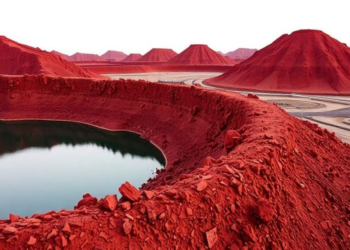
Researchers replaced fly ash in carbon-fiber-reinforced geopolymer with red mud and ore tailings, achieving up to 33.5 decibels of X-band ...

Researchers used explainable machine learning to predict and interpret the compressive strength of sustainable SCM-based concrete, finding LightGBM the most ...
A new study shows that concrete made with up to 80 percent less cement develops a denser, stronger interfacial transition ...