Seven-Gene Basement Membrane Model Predicts Breast Cancer Risk and Immune Profile
A seven-gene risk model based on basement membrane-associated genes predicts breast cancer prognosis and tracks with distinct immune microenvironment features ...
A seven-gene risk model based on basement membrane-associated genes predicts breast cancer prognosis and tracks with distinct immune microenvironment features ...
Researchers have identified a five-gene vitamin D pathway signature predictive of thyroid cancer outcomes and found that lower serum 25-hydroxyvitamin ...
Researchers developed an exploratory five-gene prognostic risk model for colon cancer using methylation-associated genes from circulating tumor cells.

Elevated FOLR1 expression promotes sorafenib resistance in hepatocellular carcinoma cells by enhancing folic acid uptake and reactivating the SRC and ...
A multi-omics and in vitro validation study demonstrates that elevated OIP5 expression drives cell cycle progression and promotes lung adenocarcinoma ...
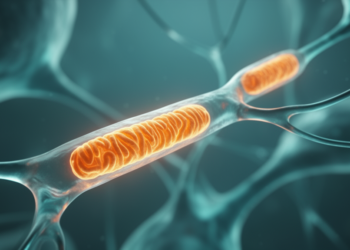
A multi-omics and experimental study identifies mitochondrial protein OPA1 as a protective factor in glioma that suppresses tumor progression by ...

Inhibiting the enzyme SHMT2 reduces renal cell carcinoma proliferation and sensitizes cells to the drug sorafenib, suggesting a new therapeutic ...

A new study identifies midkine as a key mediator of cisplatin resistance in ovarian cancer, linking it to the PI3K/AKT ...
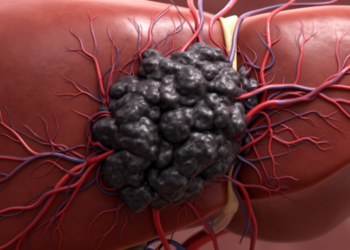
A new prognostic model for hepatocellular carcinoma identifies ANGPT2 as a key driver of malignant progression and immune resistance.
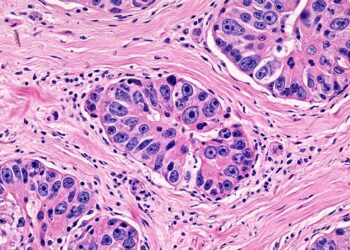
A computational model based on thirteen succinylation-related genes stratifies breast cancer survival outcomes and correlates with immune infiltration, mutation patterns, ...
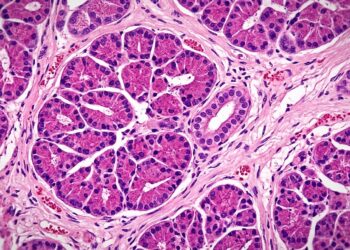
A computational study in Medical Oncology presents a six-gene prognostic signature for pancreatic ductal adenocarcinoma that links triptolide-associated biology to ...

A six-gene endothelial cell signature built from single-cell RNA sequencing data predicts survival outcomes and reveals distinct tumor microenvironment communication ...

A computational pan-cancer analysis links overexpression of the RPA gene family to worse survival and an immunosuppressive tumor microenvironment in ...

Japanese researchers have established the first patient-derived organoid model of canine nasal carcinoma, showing variable drug sensitivities among tumor lines ...

A new study shows that the choice between Wnt-based and OncoPro culture medium reshapes the transcriptional state and drug sensitivity ...
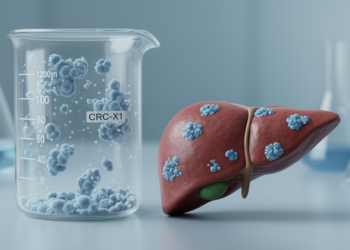
A patient-derived colon cancer liver-metastasis cell line, CRC-X1, was stably passaged through 59 generations, formed tumors in 60% of mouse ...
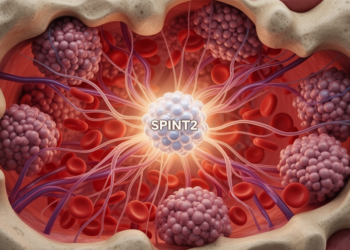
An integrated transcriptomic and laboratory study linked coagulation-associated gene activity to survival and immune states in acute myeloid leukemia, while ...

A new two-step machine-learning framework called CLIMB and CLIFF computationally deconvolves bulk RNA-seq and drug sensitivity data into cell-type and ...
A new bioinformatic study in Reproductive Sciences shows that a risk model built from telomere-related senescence genes can independently predict ...
Researchers have built a phosphoproteome atlas covering more than 200,000 phosphorylation sites across 33 human cell lines, enabling faster phosphoproteomics ...