Exposome Framework Re-evaluates How Alcohol Drives Cancer Across Biological Systems
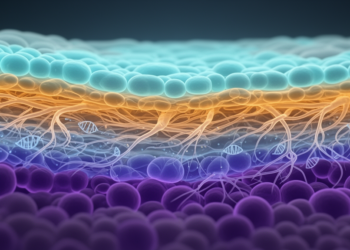
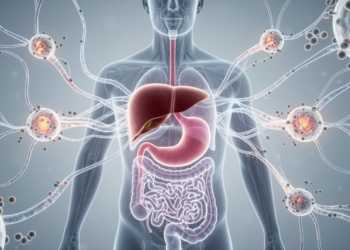
Researchers propose that alcohol drives cancer not merely as an isolated carcinogen, but as an amplifier interacting with the broader ...
Researchers propose that alcohol drives cancer not merely as an isolated carcinogen, but as an amplifier interacting with the broader ...

A scientific review in Cell Communication and Signaling outlines how distinct ADGRL1 receptor states coordinate neural synapse stability, metabolic regulation, ...
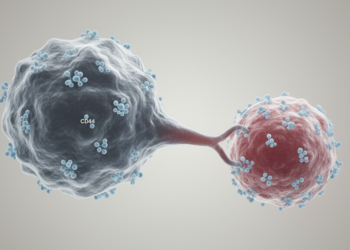
A new study reveals that SPP1-positive tumor-associated macrophages promote cervical cancer progression by activating the NF-κB pathway in tumor cells ...
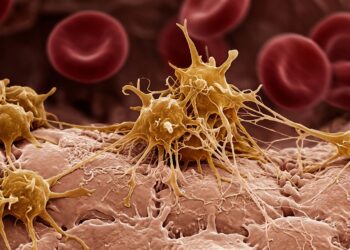
A comprehensive review outlines how aging and tumor signaling remodel circulating platelets into hyperreactive, immunosuppressive cellular fragments that drive thromboinflammation ...
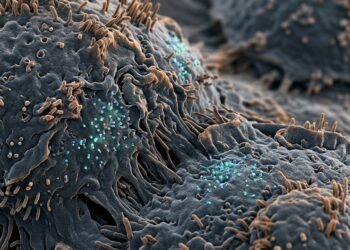
Researchers reveal that the ubiquitin ligase MKRN1 protects colorectal cancer cells from cuproptosis by targeting the copper transporter SLC31A1 for ...
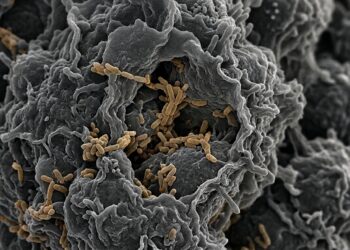
Susan Bullman has received the 2027 Mary Beth Maddox Award from TAMEST for her pioneering research into how intratumoral bacteria ...
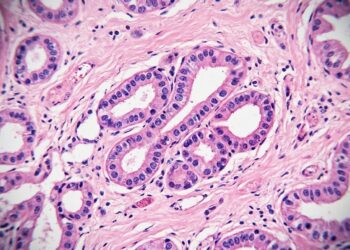
Frontiers in Medicine has retracted a 2021 study on the long non-coding RNA SNHG12 in intrahepatic cholangiocarcinoma after the authors ...
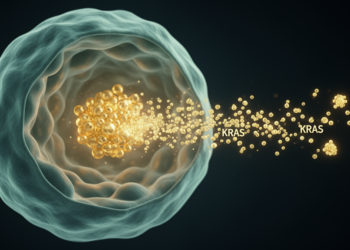
New research from MD Anderson shows the METTL13 enzyme helps cancer cells selectively produce growth-driving proteins such as KRAS, and ...
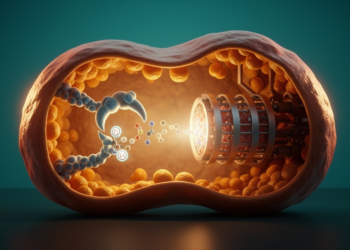
A new study reports that the ubiquitin ligase substrate receptor DCAF13 promotes hepatocellular carcinoma progression by targeting RCAN1.4 for degradation ...

A new review consolidates reported expression patterns, mechanisms, and clinical potential of the long noncoding RNA SNHG4 across six cancer ...
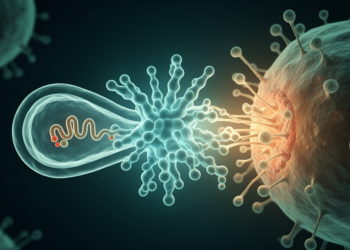
A new review maps how calreticulin and its fragments can both promote and suppress tumors depending on context.
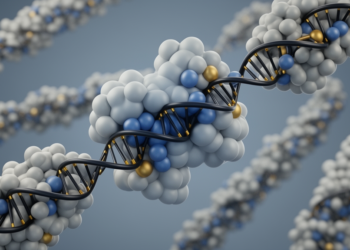
Penn State researchers found that cancer-linked BRD4 can bind nucleosomes through both DNA contacts and recognition of modified histones, challenging ...

An edited multidisciplinary volume reviews heterocyclic scaffolds, evaluation methods, emerging drug-design approaches and translational challenges in anticancer research.
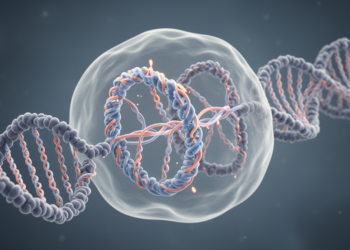
An experimental cell study finds that cohesin rapidly reorganizes stressed DNA replication sites and suppresses an error-prone restart pathway, helping ...
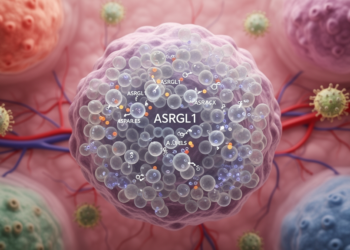
A new review maps how the self-activating enzyme ASRGL1 shows pro-tumor activity in liver, cervical and prostate cancers while behaving ...

A 2026 review finds that the molecular scaffold HAX1 supports tumor growth, invasion, hypoxic adaptation and treatment resistance while showing ...
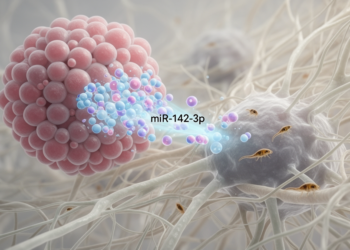
A 2026 review finds that miR-142-3p generally suppresses tumor-cell growth and improves drug response inside cancer cells, while its extracellular-vesicle ...
In vitro PIK3CA silencing restored anoikis sensitivity and reduced aggressive behaviors in engineered anoikis-resistant rabbit aortic endothelial cells.
A 2026 conceptual paper proposes that cancer can emerge from coupled changes in cellular energy, environment, mechanics and information, while ...
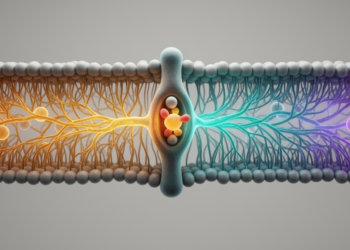
A 2026 review summarizes LPA₃ signaling across tissues and diseases, identifies possible therapeutic applications, and frames selective antagonists, biased ligands ...