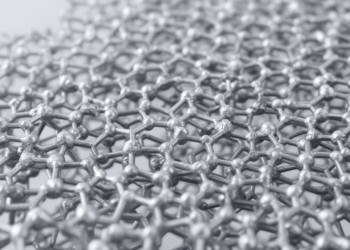
Coffee Waste Carbon and Zinc Framework Enable Durable Sodium Battery Anodes
Researchers synthesized a zinc metal-organic framework and coffee-waste carbon composite that demonstrates durable electrochemical cycling as a sodium-ion battery anode.
Researchers synthesized a zinc metal-organic framework and coffee-waste carbon composite that demonstrates durable electrochemical cycling as a sodium-ion battery anode.
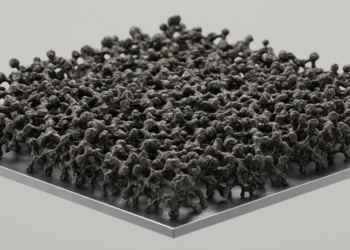
Manganese dioxide nanostructures annealed at 400 °C exhibited high capacitance and maintained durable cycling stability in asymmetric supercapacitor testing.
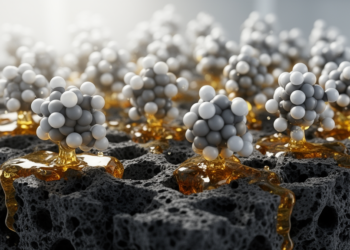
Functionalized activated carbon derived from sisal waste enables reusable lipase biocatalysts that achieve over 90 percent conversion in ethyl lactate ...
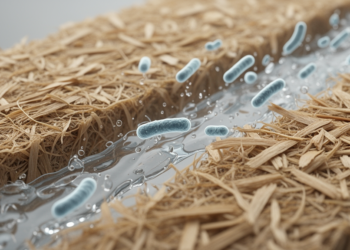
A bio-based composite membrane made from rice husk cellulose nanofibers and activated carbon achieved a 95.25 percent reduction of Enterobacter ...
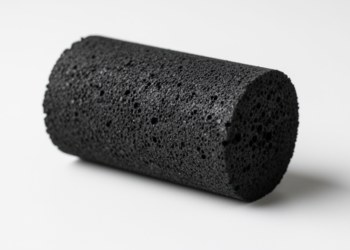
A critical review evaluates advanced thermochemical methods and doping routes that transform agricultural residues into sustainable supercapacitor electrodes.
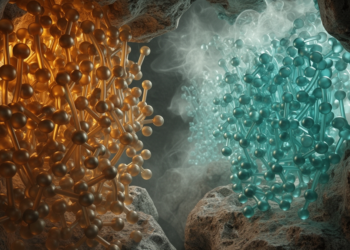
Molecular dynamics simulations demonstrate that supercritical carbon dioxide swells entangled n-dodecane clusters in activated carbon nanopores, facilitating their disentanglement and ...
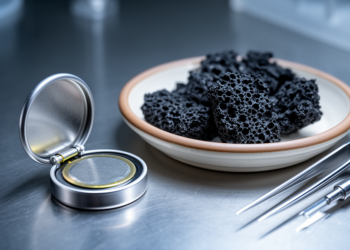
Activated carbon produced from unripe plantain peel using zinc chloride activation achieved a specific capacitance of 167 F g−1 and ...
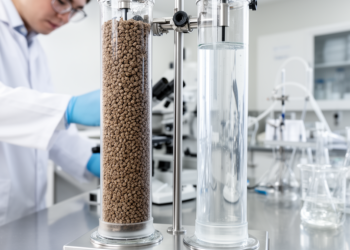
A comprehensive critical review reveals that laboratory claims for biowaste water treatment materials often fail to translate to realistic systems ...
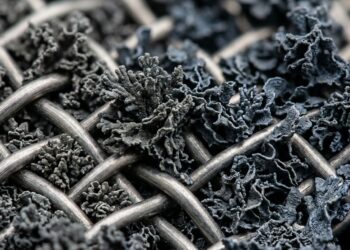
A coral-like composite cathode combining nickel-cobalt sulfide and nickel-manganese layered double hydroxide delivers high specific capacitance and achieves 97.69 percent ...
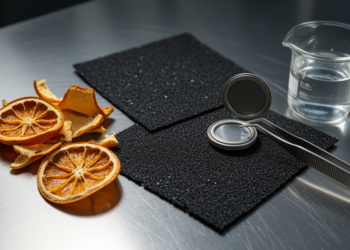
Researchers have synthesized hierarchical porous activated carbons from post-extraction orange peel residues using potassium acetate activation, producing supercapacitor electrodes that ...
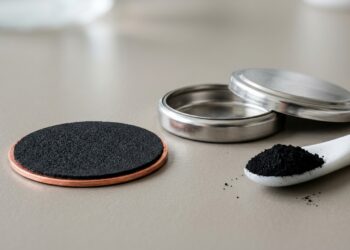
Researchers developed a lithium-ion coin cell prototype using geothermal silica-modified activated carbon derived from oil palm empty fruit bunches as ...
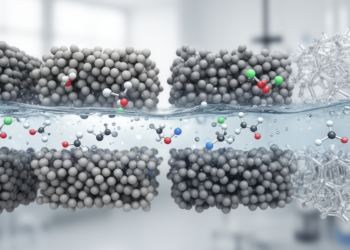
A comprehensive scientific review critically evaluates six major adsorbent classes for removing toxic phenol and its derivatives from industrial wastewater, ...
A hybrid reactive adsorption system using waste-derived calcined eggshell, activated carbon, and carbide slag upgraded raw biogas to 97.79 percent ...
Engineers synthesized activated carbon from pecan shells that captures methylene blue and dissolved cadmium ions simultaneously in laboratory batch tests.
A new study demonstrates that pineapple leaf waste can be converted into biocompatible activated carbon with low heavy metal content ...
A ball-milled nanohydroxyapatite and activated carbon composite synthesized at 200 rpm for 10 minutes exhibited high adsorption capacity and slow ...
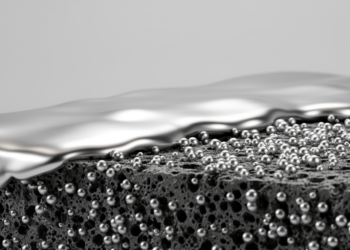
Researchers developed a silver nanoparticle and activated carbon composite cathode that achieved a 96 percent removal efficiency for nickel ions ...
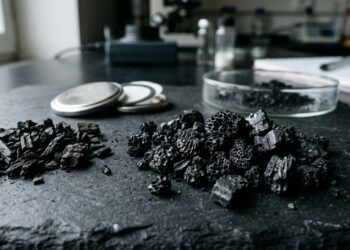
A review examines how olive pomace can be converted into carbon electrode materials for supercapacitors and batteries, highlighting the interplay ...

Researchers in Japan converted waste jute sticks into ultraporous biochar using pressurized CO2 activation, achieving a 57.4 wt% yield, a ...
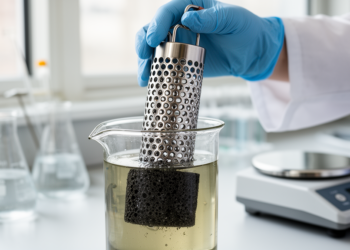
Researchers designed a perforated-case magnetic stirrer that protected 3D-printed activated carbon catalysts from crumbling, achieving 90% oxalic acid removal by ...