• HOME
  • NEWS
  • EXPLORE
    • CAREER
      • Companies
      • Jobs
    • EVENTS
    • iGEM
      • News
      • Team
    • PHOTOS
    • VIDEO
    • WIKI
  • BLOG
  • COMMUNITY
    • FACEBOOK
    • INSTAGRAM
    • TWITTER
Sunday, May 10, 2026
BIOENGINEER.ORG
No Result
View All Result
  • Login
  • HOME
  • NEWS
  • EXPLORE
    • CAREER
      • Companies
      • Jobs
        • Lecturer
        • PhD Studentship
        • Postdoc
        • Research Assistant
    • EVENTS
    • iGEM
      • News
      • Team
    • PHOTOS
    • VIDEO
    • WIKI
  • BLOG
  • COMMUNITY
    • FACEBOOK
    • INSTAGRAM
    • TWITTER
  • HOME
  • NEWS
  • EXPLORE
    • CAREER
      • Companies
      • Jobs
        • Lecturer
        • PhD Studentship
        • Postdoc
        • Research Assistant
    • EVENTS
    • iGEM
      • News
      • Team
    • PHOTOS
    • VIDEO
    • WIKI
  • BLOG
  • COMMUNITY
    • FACEBOOK
    • INSTAGRAM
    • TWITTER
No Result
View All Result
Bioengineer.org
No Result
View All Result
Home NEWS Science News Biology

Susceptibility to carcinogens varies due to genetics

Bioengineer by Bioengineer
June 16, 2020
in Biology
Reading Time: 3 mins read
0
IMAGE
Share on FacebookShare on TwitterShare on LinkedinShare on RedditShare on Telegram

IMAGE

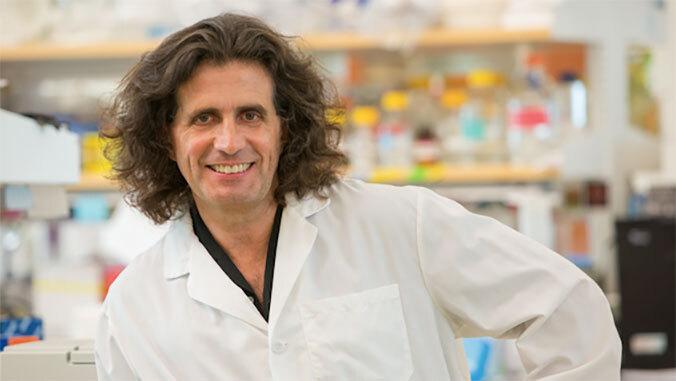
Credit: UH Cancer Center

A new study led by the University of Hawai?i Cancer Center looks into how and why certain individuals develop cancer and others do not. The research was published in Nature Reviews Cancer, one of the most influential and prestigious journals in medicine and science. In addition to lead author Michele Carbone and co-author Haining Yang, collaborators include top cancer researchers, including a Nobel Laureate, and several members of the U.S. and European Academy of Sciences.

In the publication, “Tumour predisposition and cancer syndromes as models to study gene-environment interactions,” Carbone and collaborators discuss recent evidence indicating that cancer most often results from the interaction between an individual’s genetics and exposure to environmental carcinogens. They emphasize that the risk of developing cancer upon exposure to carcinogens varies due to gene mutations that can make certain individuals much more susceptible than others.

“By identifying those who carry genetic mutations, we can implement more effective prevention and early detection strategies targeting those who are most vulnerable, and thus, we have a much greater impact in saving lives from cancer,” said Carbone.

This is the first time that the role of gene-environment interaction in cancer is being discussed at this level of molecular detail by some of the top scientists in the world. Several of the advancements in this field of research were made possible by Carbone and collaborators’ discovery of the “BAP1 cancer syndrome,” a disease that allows researchers to study and elucidate the mechanisms that regulate gene-environment interaction in causing cancer. 

“This important ‘Perspective’ article highlights some of the most cutting-edge studies on how genes and environmental factors interact in causing cancer, which is a critical research topic that needs people’s attention,” said Yang.

“This comprehensive publication was made possible thanks to the support of Barry and Virginia Weinman of the Weinman Foundation, who have played a very significant role in advancing innovations in cancer research,” said Carbone. “The Weinmans generously funded meetings at the UH Cancer Center, allowing the co-authors to meet and discuss the topic at hand. As revealed by this publication, their contributions continue to tremendously impact and enhance cancer research, not only in the state of Hawai’i, but nationally and internationally as well.”

###

The University of Hawai?i Cancer Center through its various activities, including scientific research and clinical trials, adds more than $54 million to the O?ahu economy. It is one of only 71 research institutions designated by the National Cancer Institute. Affiliated with the University of Hawai?i at Mānoa, the Center is dedicated to eliminating cancer through research, education, patient care and community outreach with an emphasis on the unique ethnic, cultural, and environmental characteristics of Hawai?i and the Pacific. Learn more at uhcancercenter.org. Like us on Facebook at facebook.com/UHCancerCenter. Follow us on Twitter @UHCancerCenter.

Media Contact
Laura Young
[email protected]

Original Source

http://manoa.hawaii.edu/news/article.php?aId=10717

Related Journal Article

http://dx.doi.org/10.1038/s41568-020-0265-y

Tags: cancerCarcinogensGeneticsMedicine/Health
Share12Tweet8Share2ShareShareShare2

Related Posts

Ancient Plant Populations Reveal Fresh Insights into Climate Resilience — Biology

Ancient Plant Populations Reveal Fresh Insights into Climate Resilience

May 8, 2026
Rare Brain Disorders in Children Linked to Mutations in Lesser-Known Protein Complex — Biology

Rare Brain Disorders in Children Linked to Mutations in Lesser-Known Protein Complex

May 8, 2026

From Odd Insect to Underwater Predator: The Remarkable Evolution of a Bloodthirsty Fruit Fly

May 8, 2026

SNU Professor Sangwoo Seo’s Team Develops Next-Generation CRISPR Biocontainment Technology to Control Microbial Survival Without DNA Cleavage

May 8, 2026
Please login to join discussion

POPULAR NEWS

  • Research Indicates Potential Connection Between Prenatal Medication Exposure and Elevated Autism Risk

    840 shares
    Share 336 Tweet 210
  • New Study Reveals Plants Can Detect the Sound of Rain

    727 shares
    Share 290 Tweet 181
  • Scientists Investigate Possible Connection Between COVID-19 and Increased Lung Cancer Risk

    68 shares
    Share 27 Tweet 17
  • Salmonella Haem Blocks Macrophages, Boosts Infection

    61 shares
    Share 24 Tweet 15

About

We bring you the latest biotechnology news from best research centers and universities around the world. Check our website.

Follow us

Recent News

Evaluating Digoxin Use in Patients with Symptomatic Rheumatic Heart Disease

Evaluating the Effectiveness and Safety of Digitalis Glycosides in Treating Heart Failure

Urdu Fall Risk Questionnaire Adapted for Elderly

Subscribe to Blog via Email

Enter your email address to subscribe to this blog and receive notifications of new posts by email.

Join 82 other subscribers
  • Contact Us

Bioengineer.org © Copyright 2023 All Rights Reserved.

Welcome Back!

Login to your account below

Forgotten Password?

Retrieve your password

Please enter your username or email address to reset your password.

Log In
No Result
View All Result
  • Homepages
    • Home Page 1
    • Home Page 2
  • News
  • National
  • Business
  • Health
  • Lifestyle
  • Science

Bioengineer.org © Copyright 2023 All Rights Reserved.