• HOME
  • NEWS
  • EXPLORE
    • CAREER
      • Companies
      • Jobs
    • EVENTS
    • iGEM
      • News
      • Team
    • PHOTOS
    • VIDEO
    • WIKI
  • BLOG
  • COMMUNITY
    • FACEBOOK
    • INSTAGRAM
    • TWITTER
Wednesday, May 27, 2026
BIOENGINEER.ORG
No Result
View All Result
  • Login
  • HOME
  • NEWS
  • EXPLORE
    • CAREER
      • Companies
      • Jobs
        • Lecturer
        • PhD Studentship
        • Postdoc
        • Research Assistant
    • EVENTS
    • iGEM
      • News
      • Team
    • PHOTOS
    • VIDEO
    • WIKI
  • BLOG
  • COMMUNITY
    • FACEBOOK
    • INSTAGRAM
    • TWITTER
  • HOME
  • NEWS
  • EXPLORE
    • CAREER
      • Companies
      • Jobs
        • Lecturer
        • PhD Studentship
        • Postdoc
        • Research Assistant
    • EVENTS
    • iGEM
      • News
      • Team
    • PHOTOS
    • VIDEO
    • WIKI
  • BLOG
  • COMMUNITY
    • FACEBOOK
    • INSTAGRAM
    • TWITTER
No Result
View All Result
Bioengineer.org
No Result
View All Result
Home NEWS Science News Biology

Surprising discovery — how the African tsetse fly really drinks your blood

Bioengineer by Bioengineer
September 21, 2017
in Biology
Reading Time: 2 mins read
0
Share on FacebookShare on TwitterShare on LinkedinShare on RedditShare on Telegram
IMAGE

Credit: University of Bristol

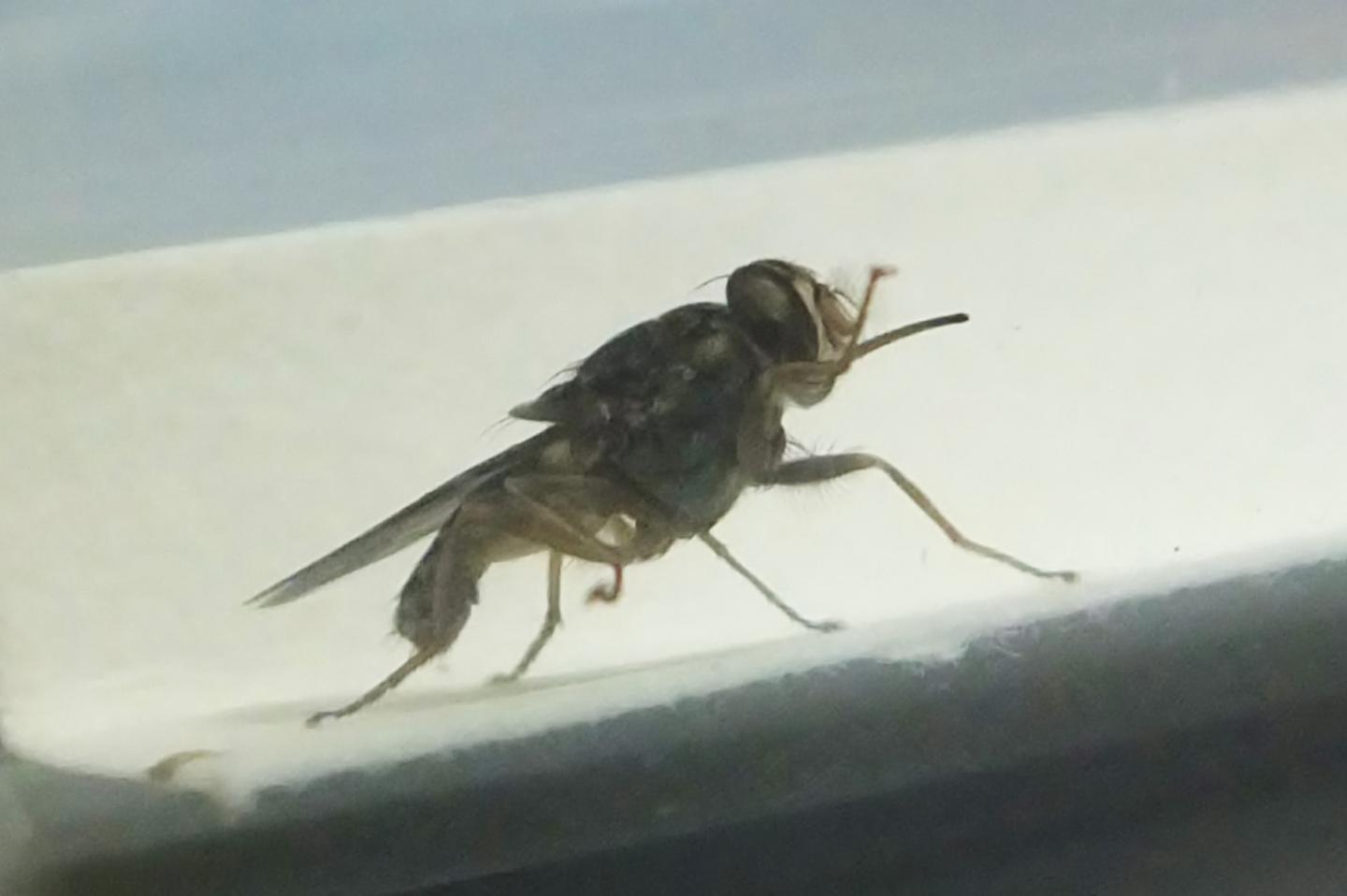
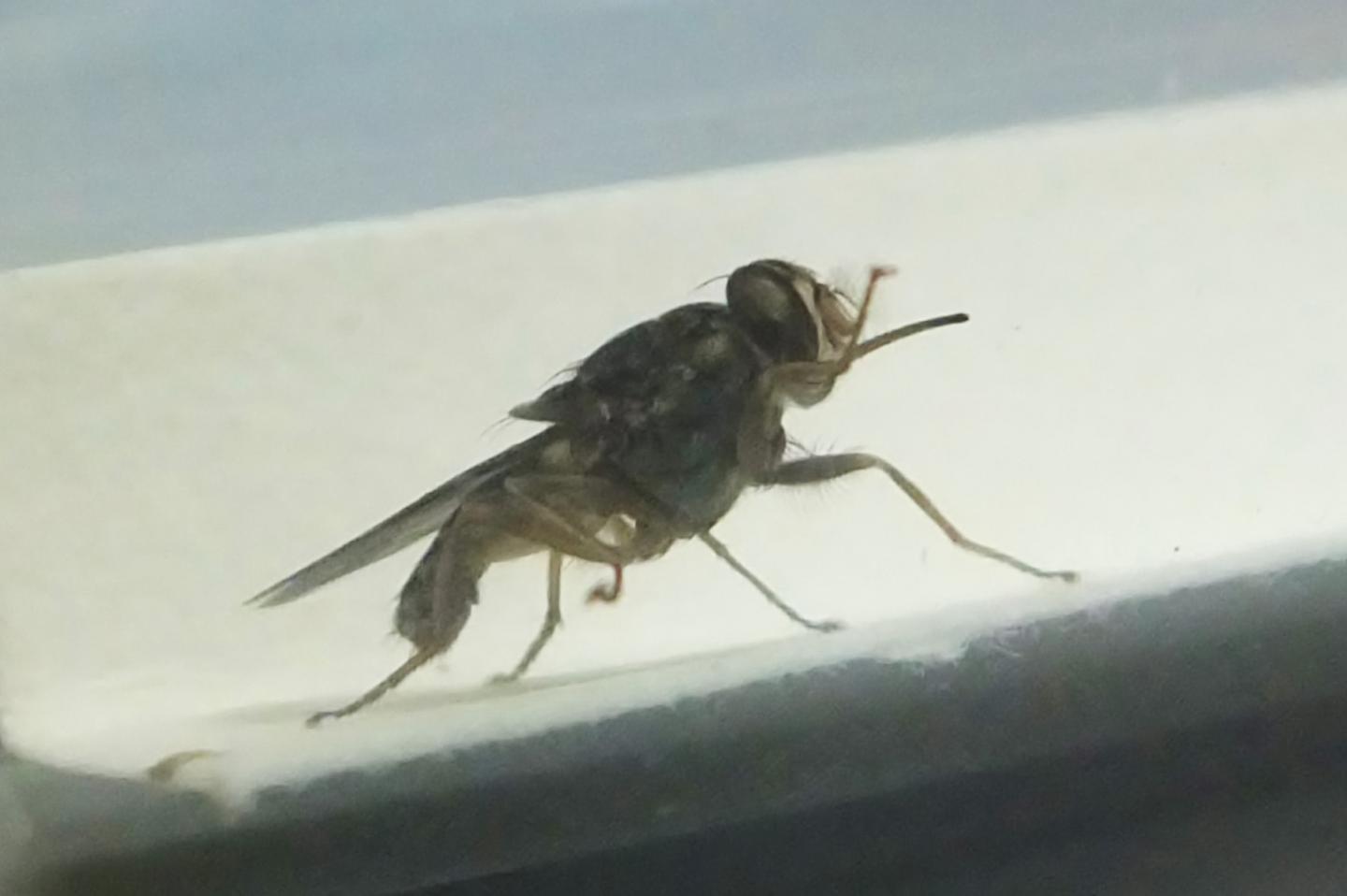
Researchers at the University of Bristol have been taking a close-up look at the biting mouthparts of the African tsetse fly as part of ongoing work on the animal diseases it carries.

Using the new high-powered scanning electron microscope in the University's Life Sciences Building, researchers from the Trypanosome Research Group were able to see the rows of sharp teeth and rasps that the fly uses to chew through the skin when it bites. The teeth tear the delicate blood capillaries in the skin, so the fly can suck up the blood.

To stop the blood clotting, the fly squirts saliva containing anti-coagulant into the wound through a narrow tube inside the proboscis.

To their surprise, the researchers found that the tip of this tube is decorated with intricate finger-like structures with suckers.

Professor Wendy Gibson from the School of Biological Sciences, led the research which has been published this week in the journal Parasites & Vectors.

She said "This was an unexpected finding — the textbooks just show a plain pointed end to the saliva tube.

"We've no idea yet what this ornate structure is for — we haven't come across anything like it in other bloodsucking insects such as midges and mosquitoes."

The tsetse fly is a bloodsucking insect that carries human sleeping sickness and the animal disease, nagana. The needle-like proboscis is armed with a formidable array of sharp teeth and rasps.

Professor Gibson added: "No wonder it hurts when one of these flies bites you."

###

This research was funded by the Biotechnology and Biological Sciences Research Council (BBSRC) and a South West Biosciences Doctoral Training Partnership postgraduate studentship.

Media Contact

Richard Cottle
[email protected]
44-117-394-0156
@BristolUni

http://www.bristol.ac.uk

Share13Tweet8Share2ShareShareShare2

Related Posts

Scientists Uncover How Developing Immune Cells Precisely Adjust Their Signals — Biology

Scientists Uncover How Developing Immune Cells Precisely Adjust Their Signals

May 27, 2026
Study Reveals That Experiencing Awe in Nature Enhances People’s Connection to Science — Biology

Study Reveals That Experiencing Awe in Nature Enhances People’s Connection to Science

May 27, 2026

Study from CU Anschutz Reveals How Preconception Stress Can Affect Offspring Growth

May 27, 2026

Canadian Rockies Research Reveals Spruce Trees Adapt Consistently Across Rugged Peaks and Boreal Flatlands

May 26, 2026
Please login to join discussion

POPULAR NEWS

  • ESMO 2025: mRNA COVID Vaccines Enhance Efficacy of Cancer Immunotherapy

    317 shares
    Share 127 Tweet 79
  • New Study Reveals Plants Can Detect the Sound of Rain

    735 shares
    Share 293 Tweet 183
  • Common Food Preservatives Associated with Elevated Blood Pressure and Increased Heart Disease Risk

    56 shares
    Share 22 Tweet 14
  • AI-Powered Atlas Uncovers Extensive Whole-Body Damage Linked to Obesity

    53 shares
    Share 21 Tweet 13

About

We bring you the latest biotechnology news from best research centers and universities around the world. Check our website.

Follow us

Recent News

Did Heart Health Influence the Severity of COVID-19 Infections During the Pandemic?

Heart Health Linked to Severity of COVID-19 Infection During the Pandemic

Robust Single-Mode Laser Created by Merging Bound States

Subscribe to Blog via Email

Enter your email address to subscribe to this blog and receive notifications of new posts by email.

Join 82 other subscribers
  • Contact Us

Bioengineer.org © Copyright 2023 All Rights Reserved.

Welcome Back!

Login to your account below

Forgotten Password?

Retrieve your password

Please enter your username or email address to reset your password.

Log In
No Result
View All Result
  • Homepages
    • Home Page 1
    • Home Page 2
  • News
  • National
  • Business
  • Health
  • Lifestyle
  • Science

Bioengineer.org © Copyright 2023 All Rights Reserved.