• HOME
  • NEWS
  • EXPLORE
    • CAREER
      • Companies
      • Jobs
    • EVENTS
    • iGEM
      • News
      • Team
    • PHOTOS
    • VIDEO
    • WIKI
  • BLOG
  • COMMUNITY
    • FACEBOOK
    • INSTAGRAM
    • TWITTER
Sunday, August 16, 2026
BIOENGINEER.ORG
No Result
View All Result
  • Login
  • HOME
  • NEWS
  • EXPLORE
    • CAREER
      • Companies
      • Jobs
        • Lecturer
        • PhD Studentship
        • Postdoc
        • Research Assistant
    • EVENTS
    • iGEM
      • News
      • Team
    • PHOTOS
    • VIDEO
    • WIKI
  • BLOG
  • COMMUNITY
    • FACEBOOK
    • INSTAGRAM
    • TWITTER
  • HOME
  • NEWS
  • EXPLORE
    • CAREER
      • Companies
      • Jobs
        • Lecturer
        • PhD Studentship
        • Postdoc
        • Research Assistant
    • EVENTS
    • iGEM
      • News
      • Team
    • PHOTOS
    • VIDEO
    • WIKI
  • BLOG
  • COMMUNITY
    • FACEBOOK
    • INSTAGRAM
    • TWITTER
No Result
View All Result
Bioengineer.org
No Result
View All Result
Home NEWS Science News Health

Support needed for multiple-birth families to improve outcomes

Bioengineer by Bioengineer
May 26, 2019
in Health
Reading Time: 2 mins read
0
IMAGE
Share on FacebookShare on TwitterShare on LinkedinShare on RedditShare on Telegram

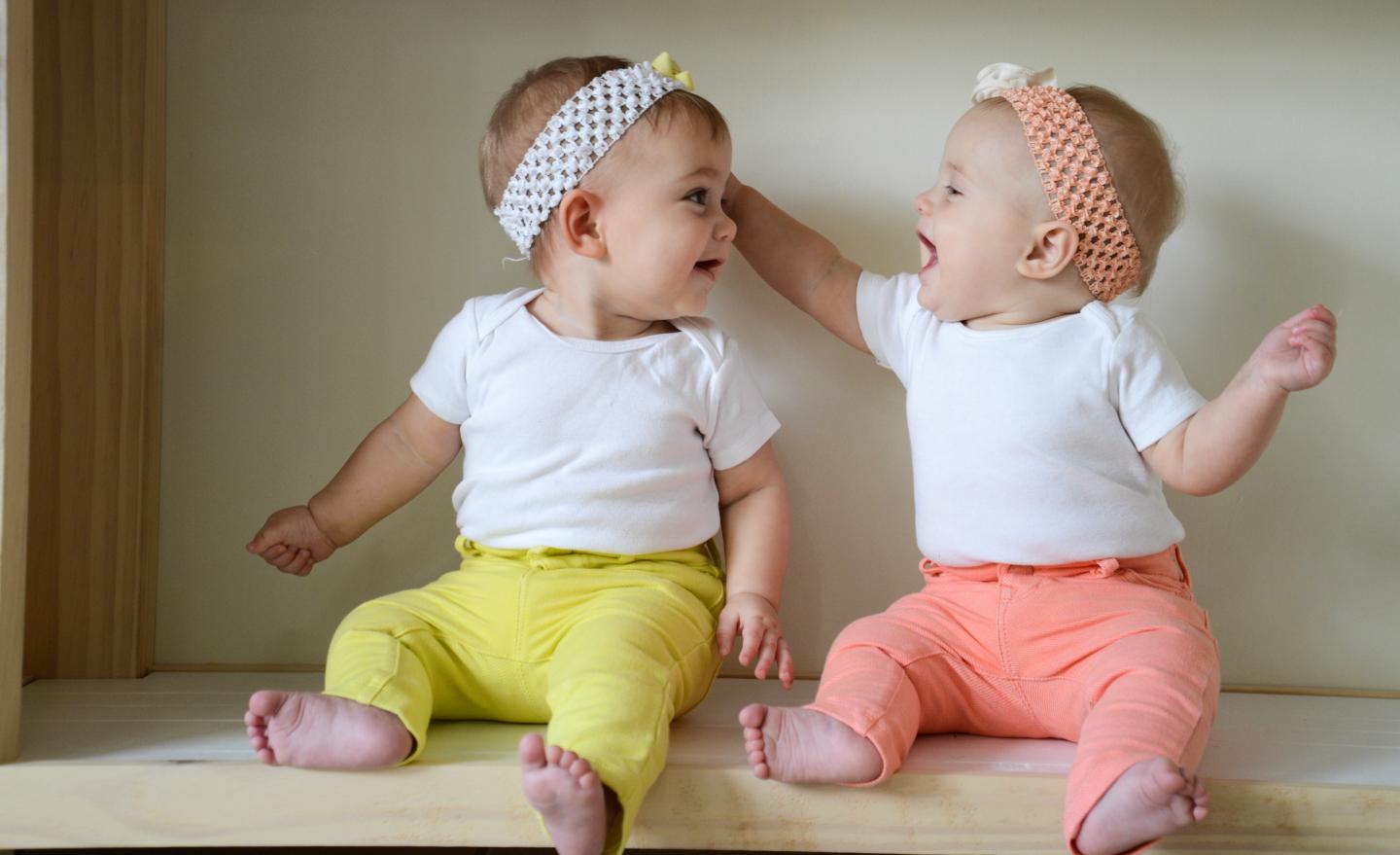
The first-ever international collaborative report has compared the experiences of multiple-birth babies and their families to single-birth families
IMAGE

Credit: Donnie Ray Jones, Flickr

Having multiple-birth babies can be a time of wonder and excitement, however, according to the first-ever international collaborative report released today, these babies and their families can face serious disadvantages compared to parents of single-birth babies.

Led by Twins Research Australia based at the University of Melbourne, the report identifies common challenges facing these families, including greater risk of pregnancy complications and premature birth, infant development delays and special needs, as well as financial, psychological and social support obstacles.

Researchers are calling for urgent action in the areas of research, education, policy and practice to ensure health services and professionals can better meet the needs of multiple-birth families.

Over the last 40 years, multiple births in Australia have almost doubled with 9056 multiple-births in 2017, compared to 4740 in 1975. This is a 91 per cent increase.

Murdoch Children’s Research Institute Honorary Fellow Christie Bolch said the report showed that health knowledge, services and practices have not kept pace with this rise.

“Twins – plus triplets and above – bring many special experiences. But at every point of contact in our health system these families experience disadvantage, and this is not well recognised,” Dr Bolch said.

“There is a pressing unmet need for adequately funded resources for parents of young multiples to address their unique challenges such as increased social isolation, anxiety and depression, inadequate bereavement support when one or more babies do not survive, and caring for infants with special needs.”

University of Melbourne Director of Twins Research Australia John Hopper said adequate support must be provided to ensure all children receive the best start in life.

“These findings demonstrate where our knowledge is lacking – such as the challenges of staggered discharge for the families of multiple-birth babies, the long-term costs to a family when multiples are born prematurely and the factors that contribute to developmental delays,” Professor Hopper said.

“We also show how to close these gaps through better research to understand the physical and mental health concerns of these families, improved education for health professionals and parents, and robust polices to address the financial disadvantage experienced.”

Strategies identified in the report include extended recovery services, special care and postnatal ward policies, as well as better training about the heightened support needs of families with multiples, and structured, multiple-specific early parenting education programs.

###

The full report, Multiple perspectives: What support do multiple-birth families need to live happy and healthy lives? is now available.

This is a collaboration of Twins Research Australia, the Twins and Multiple Births Association – UK, the Australian Multiple Birth Association and the International Council of Multiple Birth Organisations.

Media Contact
Holly Bennett
[email protected]

Tags: Health ProfessionalsMedicine/HealthMental HealthParenting/Child Care/FamilyPediatrics
Share12Tweet8Share2ShareShareShare2

Related Posts

PARP1 Drives Neuropathic Pain Through GPX4-Dependent Ferroptosis in Injured Mice’s Sensory Neurons

August 15, 2026

Genome-wide skin pQTL map reveals genetic regulators and mechanisms underlying skin disorders

August 15, 2026

Levistilide A Drives Ferroptosis via RNF40-HSP90α Axis, Suppressing Colorectal Cancer Lung Metastasis

August 15, 2026

Sintilimab, IBI305, and Chemotherapy Show Promise in First-Line Advanced Gastric and GEJ Adenocarcinoma

August 15, 2026
Please login to join discussion

POPULAR NEWS

  • Imagining natural and extra robotic thumbs together strengthens kinesthetic sensorimotor networks

    29 shares
    Share 12 Tweet 7
  • PARP1 Drives Neuropathic Pain Through GPX4-Dependent Ferroptosis in Injured Mice’s Sensory Neurons

    29 shares
    Share 12 Tweet 7
  • Strubbelig–NHL3 Receptor Complex Helps Arabidopsis Respond to Cellulose Deficiency

    29 shares
    Share 12 Tweet 7
  • Bombyx mori Satellitome Analysis Reveals Evolutionary Stability, Dispersed Chromosomal Organization, Transposon Origins

    29 shares
    Share 12 Tweet 7

About

BIOENGINEER.ORG

We bring you the latest biotechnology news from best research centers and universities around the world. Check our website.

Follow us

Recent News

Imagining natural and extra robotic thumbs together strengthens kinesthetic sensorimotor networks

PARP1 Drives Neuropathic Pain Through GPX4-Dependent Ferroptosis in Injured Mice’s Sensory Neurons

Strubbelig–NHL3 Receptor Complex Helps Arabidopsis Respond to Cellulose Deficiency

Subscribe to Blog via Email

Enter your email address to subscribe to this blog and receive notifications of new posts by email.

Join 85 other subscribers
  • Contact Us

Bioengineer.org © Copyright 2023 All Rights Reserved.

Welcome Back!

Login to your account below

Forgotten Password?

Retrieve your password

Please enter your username or email address to reset your password.

Log In
No Result
View All Result
  • Homepages
    • Home Page 1
    • Home Page 2
  • News
  • National
  • Business
  • Health
  • Lifestyle
  • Science

Bioengineer.org © Copyright 2023 All Rights Reserved.