• HOME
  • NEWS
  • EXPLORE
    • CAREER
      • Companies
      • Jobs
    • EVENTS
    • iGEM
      • News
      • Team
    • PHOTOS
    • VIDEO
    • WIKI
  • BLOG
  • COMMUNITY
    • FACEBOOK
    • INSTAGRAM
    • TWITTER
Saturday, February 7, 2026
BIOENGINEER.ORG
No Result
View All Result
  • Login
  • HOME
  • NEWS
  • EXPLORE
    • CAREER
      • Companies
      • Jobs
        • Lecturer
        • PhD Studentship
        • Postdoc
        • Research Assistant
    • EVENTS
    • iGEM
      • News
      • Team
    • PHOTOS
    • VIDEO
    • WIKI
  • BLOG
  • COMMUNITY
    • FACEBOOK
    • INSTAGRAM
    • TWITTER
  • HOME
  • NEWS
  • EXPLORE
    • CAREER
      • Companies
      • Jobs
        • Lecturer
        • PhD Studentship
        • Postdoc
        • Research Assistant
    • EVENTS
    • iGEM
      • News
      • Team
    • PHOTOS
    • VIDEO
    • WIKI
  • BLOG
  • COMMUNITY
    • FACEBOOK
    • INSTAGRAM
    • TWITTER
No Result
View All Result
Bioengineer.org
No Result
View All Result
Home NEWS Science News Health

Study reveals how long COVID-19 remains infectious on cardboard, metal and plastic

Bioengineer by Bioengineer
March 20, 2020
in Health
Reading Time: 2 mins read
0
IMAGE
Share on FacebookShare on TwitterShare on LinkedinShare on RedditShare on Telegram

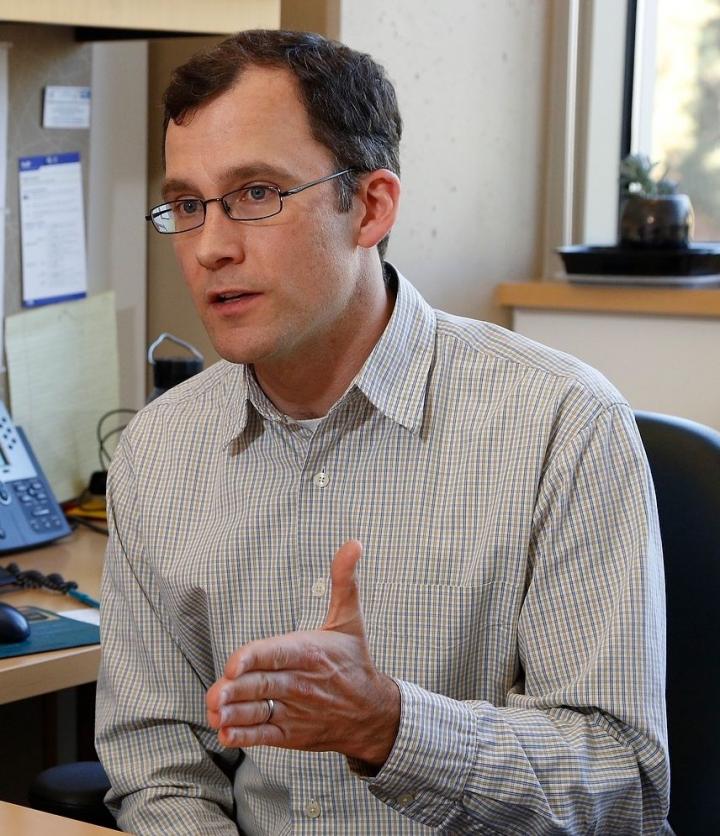
Research suggests that people may acquire the coronavirus through the air and by touching contaminated surfaces
IMAGE

Credit: Reed Hutchinson/UCLA


The virus that causes COVID-19 remains for several hours to days on surfaces and in aerosols, a new study published in the New England Journal of Medicine found.

The study suggests that people may acquire the coronavirus through the air and after touching contaminated objects. Scientists discovered the virus is detectable for up to three hours in aerosols, up to four hours on copper, up to 24 hours on cardboard and up to two to three days on plastic and stainless steel.

“This virus is quite transmissible through relatively casual contact, making this pathogen very hard to contain,” said James Lloyd-Smith, a co-author of the study and a UCLA professor of ecology and evolutionary biology. “If you’re touching items that someone else has recently handled, be aware they could be contaminated and wash your hands.”

The study attempted to mimic the virus being deposited onto everyday surfaces in a household or hospital setting by an infected person through coughing or touching objects, for example. The scientists then investigated how long the virus remained infectious on these surfaces.

The study’s authors are from UCLA, the National Institutes of Health’s National Institute of Allergy and Infectious Diseases, the Centers for Disease Control and Prevention, and Princeton University. They include Amandine Gamble, a UCLA postdoctoral researcher in Lloyd-Smith’s laboratory.

In February, Lloyd-Smith and colleagues reported in the journal eLife that screening travelers for COVID-19 is not very effective. People infected with the virus — officially named SARS-CoV-2 — may be spreading the virus without knowing they have it or before symptoms appear. Lloyd-Smith said the biology and epidemiology of the virus make infection extremely difficult to detect in its early stages because the majority of cases show no symptoms for five days or longer after exposure.

“Many people won’t have developed symptoms yet,” Lloyd-Smith said. “Based on our earlier analysis of flu pandemic data, many people may not choose to disclose if they do know.”

The new study supports guidance from public health professionals to slow the spread of COVID-19:

  • Avoid close contact with people who are sick.
  • Avoid touching your eyes, nose and mouth.
  • Stay home when you are sick.
  • Cover coughs or sneezes with a tissue, and dispose of the tissue in the trash.
  • Clean and disinfect frequently touched objects and surfaces using a household cleaning spray or wipe.

###

Media Contact
Stuart Wolpert
[email protected]
310-206-0511

Original Source

https://newsroom.ucla.edu/releases/covid-19-through-air-contaminated-objects

Tags: BacteriologyDisease in the Developing WorldEnvironmental HealthEpidemiologyInfectious/Emerging DiseasesMedicine/HealthPublic HealthVirology
Share12Tweet8Share2ShareShareShare2

Related Posts

Oxygen-Enhanced Dual-Section Microneedle Patch Improves Drug Delivery and Boosts Photodynamic and Anti-Inflammatory Treatment for Psoriasis

February 7, 2026

Scientists Identify SARS-CoV-2 PLpro and RIPK1 Inhibitors Showing Potent Synergistic Antiviral Effects in Mouse COVID-19 Model

February 7, 2026

Neg-Entropy: The Key Therapeutic Target for Chronic Diseases

February 7, 2026

Multidisciplinary Evidence-Based Guidelines for Therapeutic Drug Monitoring of Biologics in Inflammatory Bowel Disease

February 7, 2026
Please login to join discussion

POPULAR NEWS

  • Robotic Ureteral Reconstruction: A Novel Approach

    Robotic Ureteral Reconstruction: A Novel Approach

    82 shares
    Share 33 Tweet 21
  • Digital Privacy: Health Data Control in Incarceration

    63 shares
    Share 25 Tweet 16
  • Study Reveals Lipid Accumulation in ME/CFS Cells

    57 shares
    Share 23 Tweet 14
  • Breakthrough in RNA Research Accelerates Medical Innovations Timeline

    53 shares
    Share 21 Tweet 13

About

We bring you the latest biotechnology news from best research centers and universities around the world. Check our website.

Follow us

Recent News

Oxygen-Enhanced Dual-Section Microneedle Patch Improves Drug Delivery and Boosts Photodynamic and Anti-Inflammatory Treatment for Psoriasis

Scientists Identify SARS-CoV-2 PLpro and RIPK1 Inhibitors Showing Potent Synergistic Antiviral Effects in Mouse COVID-19 Model

Neg-Entropy: The Key Therapeutic Target for Chronic Diseases

Subscribe to Blog via Email

Enter your email address to subscribe to this blog and receive notifications of new posts by email.

Join 73 other subscribers
  • Contact Us

Bioengineer.org © Copyright 2023 All Rights Reserved.

Welcome Back!

Login to your account below

Forgotten Password?

Retrieve your password

Please enter your username or email address to reset your password.

Log In
No Result
View All Result
  • Homepages
    • Home Page 1
    • Home Page 2
  • News
  • National
  • Business
  • Health
  • Lifestyle
  • Science

Bioengineer.org © Copyright 2023 All Rights Reserved.