• HOME
  • NEWS
  • EXPLORE
    • CAREER
      • Companies
      • Jobs
    • EVENTS
    • iGEM
      • News
      • Team
    • PHOTOS
    • VIDEO
    • WIKI
  • BLOG
  • COMMUNITY
    • FACEBOOK
    • INSTAGRAM
    • TWITTER
Monday, August 24, 2026
BIOENGINEER.ORG
No Result
View All Result
  • Login
  • HOME
  • NEWS
  • EXPLORE
    • CAREER
      • Companies
      • Jobs
        • Lecturer
        • PhD Studentship
        • Postdoc
        • Research Assistant
    • EVENTS
    • iGEM
      • News
      • Team
    • PHOTOS
    • VIDEO
    • WIKI
  • BLOG
  • COMMUNITY
    • FACEBOOK
    • INSTAGRAM
    • TWITTER
  • HOME
  • NEWS
  • EXPLORE
    • CAREER
      • Companies
      • Jobs
        • Lecturer
        • PhD Studentship
        • Postdoc
        • Research Assistant
    • EVENTS
    • iGEM
      • News
      • Team
    • PHOTOS
    • VIDEO
    • WIKI
  • BLOG
  • COMMUNITY
    • FACEBOOK
    • INSTAGRAM
    • TWITTER
No Result
View All Result
Bioengineer.org
No Result
View All Result
Home NEWS Science News Cancer

Study may lead to better breast cancer drugs

Bioengineer by Bioengineer
August 9, 2016
in Cancer
Reading Time: 2 mins read
0
Share on FacebookShare on TwitterShare on LinkedinShare on RedditShare on Telegram
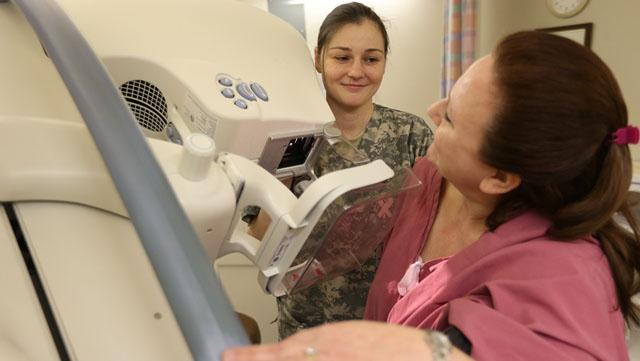
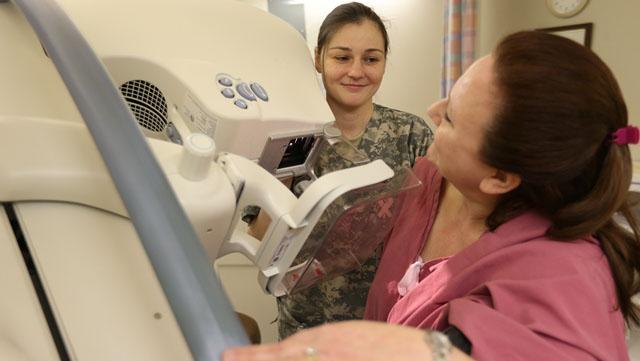
IMAGE

Biomedical scientists have revealed the inner workings of a group of proteins that help to switch critical genes on and off during blood-cell production, in a finding that could lead to the development of new and improved cancer drugs.

One of the proteins involved is linked to breast cancer, which is the most common cancer for women and kills more than half a million women around the world each year. Existing breast cancer treatments do not target this protein specifically.

Researcher Dr Daniel Ryan from The Australian National University (ANU) said the study could help explain how existing breast-cancer drugs work inside human cells.

“There are treatments for breast cancer which are in use today that are effective but we still don’t know how they work,” said Dr Ryan, from the John Curtin School of Medical Research.

“This research shines a light on an important set of proteins that could be targeted by these drugs and superior treatments yet to be developed.”

The research is part of an international collaboration – involving ANU, the University of Sydney and The University of Pennsylvania in the US – that seeks to understand the mechanisms for gene regulation, particularly in relation to diseases such as cancer and blood disorders.

“By creating better targeted treatments for breast cancer and other serious diseases, we’ll have better outcomes for patients because we’ll be able to reduce toxicity and the risk of drug resistance,” Dr Ryan said.

The research team described how a special group of proteins form into an enzyme that turns genes on and off to produce essential elements in the body, such as blood cells and stem cells.

“This enzyme is like a car and the proteins are the different parts that are used to make it. By knowing how these parts fit together, we can understand how the car works and hence we’re in a better to position to fix it when something goes wrong,” Dr Ryan said.

“We still need to pull the enzyme apart and explore the interactions between the various proteins involved to really grapple with this complex molecular machinery.

“Our ongoing research will help to advance our knowledge of how genes are regulated – a phenomenon that is not only vital to normal functions in the body, but also a key factor in many diseases.”

###

The study was supported by funding from the Australian Research Council and the National Health and Medical Research Council of Australia.

It was published in the Journal of Biological Chemistry: http://www.jbc.org/content/291/30/15853.short

Media Contact

Dr. Daniel Ryan
[email protected]
61-261-252-549
@ANUmedia

http://www.anu.edu.au/media

The post Study may lead to better breast cancer drugs appeared first on Scienmag.

Share22Tweet8Share2ShareShareShare2

Related Posts

How can low- and middle-income countries reduce deaths from gynecologic cancers?

August 24, 2026
Dual-oxygen pancreatic cancer organoids mirror basal-classical diversity, spatial transcriptomics confirms

Dual-oxygen pancreatic cancer organoids mirror basal-classical diversity, spatial transcriptomics confirms

August 23, 2026

Consensus Roadmap Guides Clinical Trials for Rare Childhood CNS Tumors

August 22, 2026

Blood-camouflaged liquid metal nanoparticles combat aggressive breast cancer

August 22, 2026
Please login to join discussion

POPULAR NEWS

  • Candida auris Senses Nutrients to Control Virulence and Shape Host Immunity

    Candida auris Senses Nutrients to Control Virulence and Shape Host Immunity

    29 shares
    Share 12 Tweet 7
  • Universal Flu Vaccine Protects Mice Against Multiple Strains

    29 shares
    Share 12 Tweet 7
  • Scientists Transform Plastic Bottles Into Cookies

    29 shares
    Share 12 Tweet 7
  • Yeast-derived universal flu vaccine may one day replace annual shots

    29 shares
    Share 12 Tweet 7

About

We bring you the latest biotechnology news from best research centers and universities around the world. Check our website.

Follow us

Recent News

Candida auris Senses Nutrients to Control Virulence and Shape Host Immunity

Universal Flu Vaccine Protects Mice Against Multiple Strains

Scientists Transform Plastic Bottles Into Cookies

Subscribe to Blog via Email

Enter your email address to subscribe to this blog and receive notifications of new posts by email.

Join 85 other subscribers
  • Contact Us

Bioengineer.org © Copyright 2023 All Rights Reserved.

Welcome Back!

Login to your account below

Forgotten Password?

Retrieve your password

Please enter your username or email address to reset your password.

Log In
No Result
View All Result
  • Homepages
    • Home Page 1
    • Home Page 2
  • News
  • National
  • Business
  • Health
  • Lifestyle
  • Science

Bioengineer.org © Copyright 2023 All Rights Reserved.