• HOME
  • NEWS
  • EXPLORE
    • CAREER
      • Companies
      • Jobs
    • EVENTS
    • iGEM
      • News
      • Team
    • PHOTOS
    • VIDEO
    • WIKI
  • BLOG
  • COMMUNITY
    • FACEBOOK
    • INSTAGRAM
    • TWITTER
Monday, May 18, 2026
BIOENGINEER.ORG
No Result
View All Result
  • Login
  • HOME
  • NEWS
  • EXPLORE
    • CAREER
      • Companies
      • Jobs
        • Lecturer
        • PhD Studentship
        • Postdoc
        • Research Assistant
    • EVENTS
    • iGEM
      • News
      • Team
    • PHOTOS
    • VIDEO
    • WIKI
  • BLOG
  • COMMUNITY
    • FACEBOOK
    • INSTAGRAM
    • TWITTER
  • HOME
  • NEWS
  • EXPLORE
    • CAREER
      • Companies
      • Jobs
        • Lecturer
        • PhD Studentship
        • Postdoc
        • Research Assistant
    • EVENTS
    • iGEM
      • News
      • Team
    • PHOTOS
    • VIDEO
    • WIKI
  • BLOG
  • COMMUNITY
    • FACEBOOK
    • INSTAGRAM
    • TWITTER
No Result
View All Result
Bioengineer.org
No Result
View All Result
Home NEWS Science News Biology

Stressed corals set up progeny for a better life

Bioengineer by Bioengineer
February 19, 2020
in Biology
Reading Time: 3 mins read
0
IMAGE
Share on FacebookShare on TwitterShare on LinkedinShare on RedditShare on Telegram

IMAGE

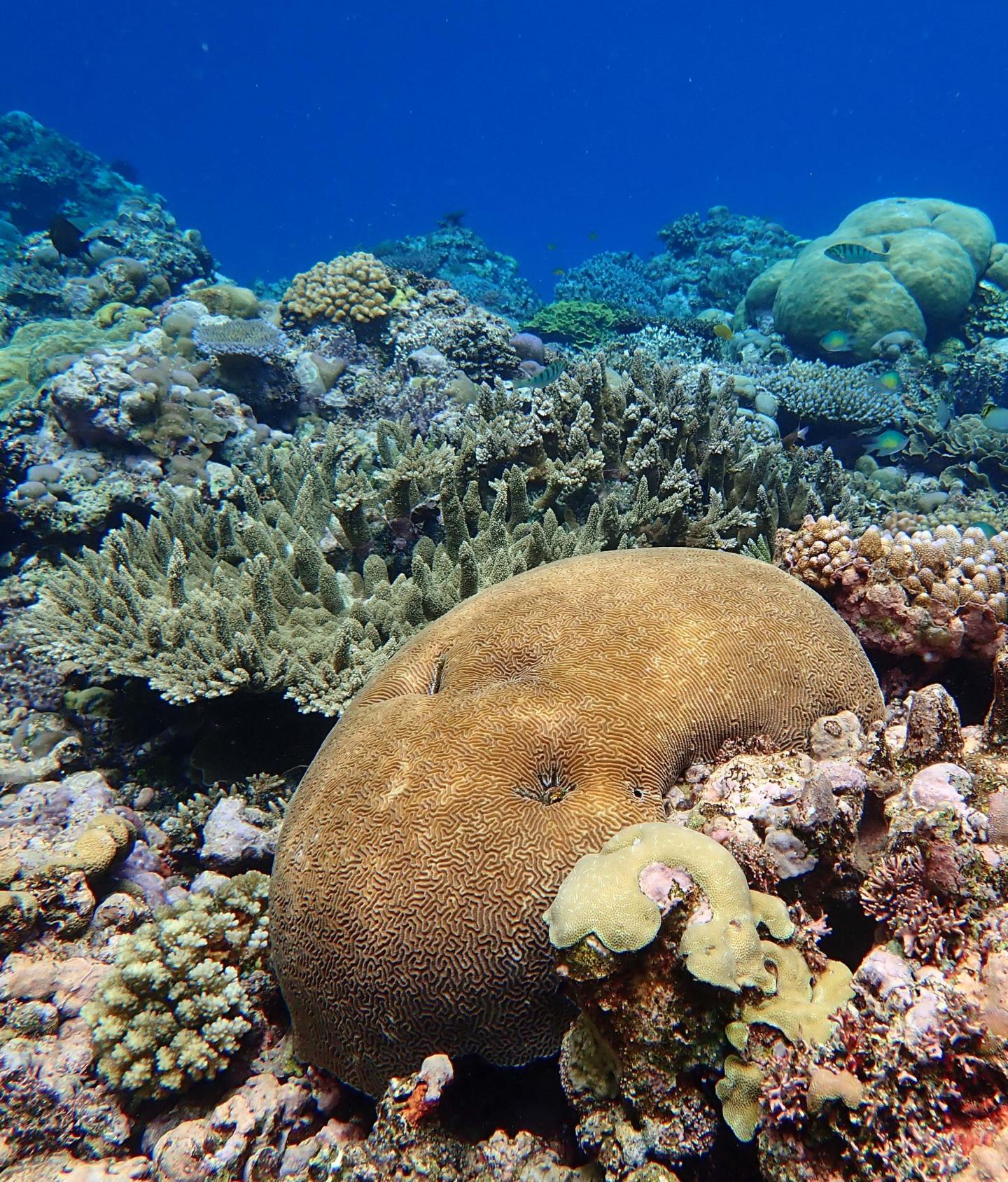
Credit: © 2020 Emily Howells


Changes in DNA methylation patterns during a coral’s lifetime can be passed down to their progeny. KAUST researchers believe they have found the first evidence of this change, and they suggest that the finding could help develop new strategies for coral conservation.

DNA methylation is the reversible attachment of a methyl group to a cytosine, one of the four nitrogenous bases that form the building blocks of our genomes. It is an epigenetic change that modifies how a gene is used.

“In mammals, DNA methylation patterns are reset across generations, except in rare exceptions,” says postdoc Yi Jin Liew. “In plants, however, they are mostly inherited across generations.”

Previous research led by KAUST marine scientist Manuel Aranda had shown that chronically stressed corals develop changes in their epigenetic patterns. “We were curious to find out if corals, like plants, could pass epigenetic information to the next generation,” says Liew. “From a biological perspective, this would shatter the common assumption that epigenetic patterns are reset across generations in all animals.”

Together with scientists from New York University Abu Dhabi, KAUST researchers analyzed the genomes of adult brain corals (Platygyra daedalea), their sperm and larvae that had been collected from reef sites in Abu Dhabi in the southern Arabian Gulf and from Fujairah in the Sea of Oman. The Abu Dhabi corals had been exposed to extreme temperatures and salinity, while the Fujairah ones lived in more moderate conditions.

“Our initial results were startling,” says Liew.

The analyses showed that the DNA methylation patterns were most similar between sperm and their parent coral. “We think this is the first solid proof for intergenerational transfer of whole-genome DNA methylation patterns in an animal,” Liew says.

The team found clear differences in the methylation patterns between the Abu Dhabi and Fujairah corals. They also found that DNA methylation patterns are passed equally from parent to progeny through the egg and sperm.

Further investigations confirmed that inheritance of the DNA methylation patterns was mostly independent from genetic inheritance, meaning that they are probably a response to the different environments in which these corals exist. This was supported by heat stress experiments on larvae from these colonies, which showed that the methylation status of certain genes correlated strongly with their chances of survival.

Coral colonies from the much hotter Arabian Gulf also had hypermethylated genes involved in stress responses, potentially allowing them to cope with their harsh environment.

“Inheritance of these novel epigenetic states could serve as a nongenetic breeding strategy to potentially increase resilience to climate change,” says Aranda. “Long-term cultivation of corals under elevated temperatures could allow us to breed fitter coral larvae that get a head start in globally rising temperatures.”

Aranda says further investigations are needed to verify that environmentally induced epigenetic patterns can be maintained across more than one generation and that these inherited changes could provide a survival advantage for corals and their offspring.

###

Media Contact
Carolyn Unck
[email protected]

Original Source

https://discovery.kaust.edu.sa/en/article/937/stressed-corals-set-up-progeny-for-a-better-life

Related Journal Article

http://dx.doi.org/10.1038/s41558-019-0687-2

Tags: BiologyClimate ChangeEcology/EnvironmentGeneticsMarine/Freshwater Biology
Share12Tweet8Share2ShareShareShare2

Related Posts

In-Depth Analysis Reveals Advances in Multiple Sclerosis Research Models — Biology

In-Depth Analysis Reveals Advances in Multiple Sclerosis Research Models

May 18, 2026
Uncovering C. elegans Immunity via Genetic Screens — Biology

Uncovering C. elegans Immunity via Genetic Screens

May 16, 2026

Single mother must adapt swiftly — the survival of her colony depends on it

May 15, 2026

Why Are Nearly Everyone Right-Handed? It Might Be Linked to How We Learned to Walk

May 15, 2026
Please login to join discussion

POPULAR NEWS

  • Research Indicates Potential Connection Between Prenatal Medication Exposure and Elevated Autism Risk

    844 shares
    Share 338 Tweet 211
  • New Study Reveals Plants Can Detect the Sound of Rain

    731 shares
    Share 292 Tweet 182
  • Salmonella Haem Blocks Macrophages, Boosts Infection

    62 shares
    Share 25 Tweet 16
  • Breastmilk Balances E. coli and Beneficial Bacteria in Infant Gut Microbiomes

    58 shares
    Share 23 Tweet 15

About

We bring you the latest biotechnology news from best research centers and universities around the world. Check our website.

Follow us

Recent News

Maternal Age and Pregnancy Heart Risks Explored

Hypoxic Burden Links to Bronchopulmonary Dysplasia Risk

Fossil Fuel Phase-Out: Challenges and Opportunities Under 1.5°C

Subscribe to Blog via Email

Enter your email address to subscribe to this blog and receive notifications of new posts by email.

Join 82 other subscribers
  • Contact Us

Bioengineer.org © Copyright 2023 All Rights Reserved.

Welcome Back!

Login to your account below

Forgotten Password?

Retrieve your password

Please enter your username or email address to reset your password.

Log In
No Result
View All Result
  • Homepages
    • Home Page 1
    • Home Page 2
  • News
  • National
  • Business
  • Health
  • Lifestyle
  • Science

Bioengineer.org © Copyright 2023 All Rights Reserved.