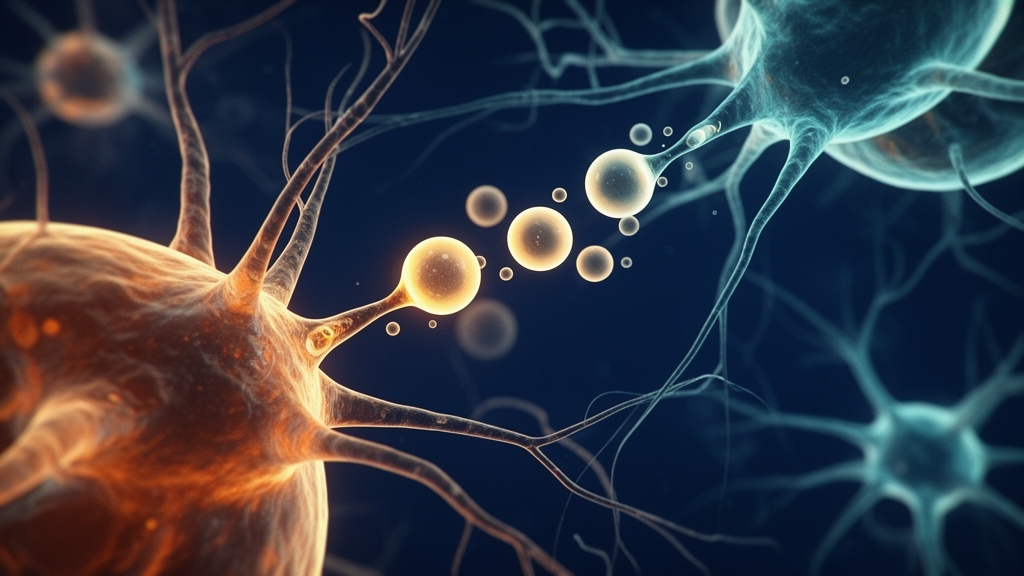
Extracellular vesicles derived from human embryonic stem cell-derived mesenchymal stem cells, known as hESC-MSC-EVs, attenuate brain injury following cardiac arrest and resuscitation. The study, published in the journal Cell & Bioscience, identifies a specific molecular mechanism through which these vesicles exert their protective effects, potentially offering a new therapeutic strategy for patients who survive cardiac arrest but suffer from neurological complications.
The research addresses a critical gap in clinical practice, where effective therapeutic strategies for cardiac arrest-induced brain injury remain lacking. While mesenchymal stem cell-derived extracellular vesicles have attracted considerable attention for their neuroprotective potential in various models, studies specifically focused on cardiac arrest scenarios have been relatively limited. This study aimed to investigate both the protective effects and the underlying mechanisms of hESC-MSC-EVs against brain injury following cardiac arrest and resuscitation, referred to as CA/CPR.
To evaluate the in vivo effects, the researchers established a rat model of cardiac arrest by asphyxia. After resuscitation, the rats were administered hESC-MSC-EVs intravenously. The study measured neurological function at 24 hours post-resuscitation and examined pathological changes at seven days. The results showed that the treatment significantly improved neurological function in the early phase. Furthermore, the intervention reduced serum levels of NSE and S100B. At seven days after resuscitation, the treatment alleviated pathological damage and inhibited apoptosis in the hippocampal CA1 region.
In parallel, HT22 cells were subjected to oxygen-glucose deprivation and reoxygenation, or OGD/R. The experiments confirmed that hESC-MSC-EVs increased HT22 cell viability and reduced reactive oxygen species levels. Additionally, the vesicles suppressed apoptosis in these cells.
Further mechanistic investigation revealed that hESC-MSC-EVs significantly attenuated pyroptosis in both HT22 cells and rat hippocampal neurons. The study found that the vesicles suppressed the expression of proteins related to the cGAS/STING pathway. Activation of the cGAS/STING pathway was shown to exacerbate OGD/R-induced injury in HT22 cells and CA/CPR-induced brain injury in rats.
The researchers identified miR-181a-5p as a key mediator in this process. This microRNA was found to target and inhibit Cgas, a gene involved in the cGAS/STING pathway. Transfection with miR-181a-5p mimics downregulated the cGAS/STING signaling pathway and alleviated pyroptosis in HT22 cells. The identification of this specific molecular target offers a clearer understanding of the therapeutic mechanism and may guide future development of targeted treatments.
The study highlights the potential of hESC-MSC-EVs as a novel therapeutic strategy for managing brain injury after cardiac arrest.
The identification of the cGAS/STING pathway and miR-181a-5p as key players in the protective effects of hESC-MSC-EVs provides a new avenue for research and potential clinical application.
Subject of Research: Neuroprotective effects of hESC-MSC-EVs on post-cardiac arrest brain injury via cGAS/STING pathway inhibition
Article Title: hESC-MSC-EVs attenuate post-cardiac arrest brain injury by inhibiting cGAS/STING-mediated neuronal pyroptosis
Article References: Zhang, X., Xu, M., Wang, L., Wu, C., Yang, H., Zhu, J., Xu, J., & Zhang, M. (2026). hESC-MSC-EVs attenuate post-cardiac arrest brain injury by inhibiting cGAS/STING-mediated neuronal pyroptosis. Cell & Bioscience, 16(1), Article 119. https://doi.org/10.1186/s13578-026-01630-y
Image Credits: AI Generated
DOI: 10.1186/s13578-026-01630-y
Keywords: cardiac arrest, brain injury, extracellular vesicles, cGAS/STING pathway, pyroptosis, neuroprotection, miR-181a-5p, mesenchymal stem cells, neurological function, ischemia-reperfusion, hESC-MSC-EVs, attenuate
News Source: Drew Townsend. (November 10, 2026). Stem Cell Vesicles Protect Brains After Cardiac Arrest. Scienmag.