A functionally enhanced subgroup of human retinal progenitor cells demonstrates notable integration and promotes structural and functional recovery when transplanted into retinal degenerative disease models, according to research published in the Journal of Translational Medicine. Retinal degenerative conditions currently lack therapies capable of reversing photoreceptor loss, which remains a substantial hurdle for visual regenerative medicine. While retinal cells derived from human induced pluripotent stem cells have shown therapeutic potential, their translation into clinical settings has been hindered by low differentiation efficiency and poor post-transplantation cell survival.
To overcome these limitations, the research team established a stable and expandable differentiation platform designed to generate retinal progenitor cells from human induced pluripotent stem cells within three weeks. This differentiation protocol relies on a chemically defined medium with a clearly defined composition, offering a standardized and repeatable preparation route.
Through single-cell cloning, the investigators isolated a specific cellular subpopulation designated as human retinal progenitor cell 1, or hRPC1. Profiling revealed that hRPC1 cells exhibited increased mitochondrial activity alongside distinct metabolic features. Specifically, the subgroup demonstrated enhanced dopamine metabolism associated with sulfotransferase 1A4, an enzyme identified as a key candidate regulator supporting cellular energetics and redox homeostasis.
The study showed that SULT1A4-associated dopamine metabolism plays a central role in stabilizing mitochondrial function and conferring cellular resistance against oxidative stress.
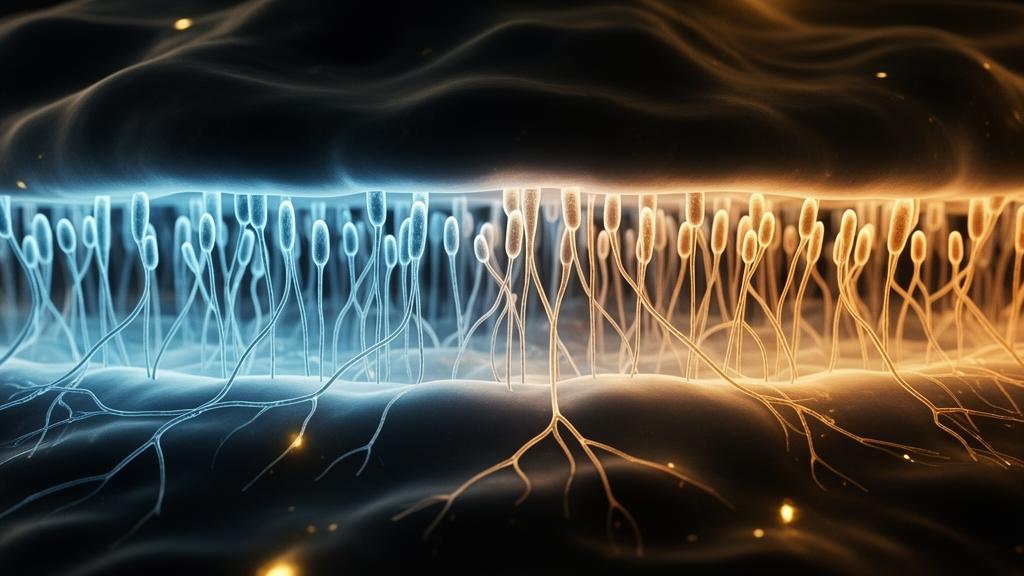
In experimental models of retinal degeneration, transplanted hRPC1 cells displayed marked migration and integrated directly into the host retina. Following this integration, recipient models demonstrated substantial structural preservation across the retinal layers along with measurable visual functional recovery over an observation window of four to eight weeks. These findings confirm that the isolated subpopulation possesses the biological capacity to support retinal repair in vivo.
The identification of SULT1A4 as an associated regulator highlights a defined molecular target for screening and optimizing cell-based treatments for retinal degenerative disorders. By establishing a chemically defined, three-week differentiation platform and isolating a functionally superior progenitor subgroup, the findings provide a novel strategy for identifying highly active, transplantable human retinal progenitor cells to improve the therapeutic efficacy of future stem cell transplantation therapies.
Subject of Research: Stem cell-derived retinal progenitor cells and SULT1A4 in retinal regeneration
Article Title: SULT1A4 is associated with a subpopulation of human iPSC–derived retinal progenitor cells with pronounced migration and regenerative efficacy in RD models
Article References: Liu, Y., Li, C., Cui, T., Huang, H., Chen, J., Zhou, Y., Li, J., Tian, H., Gao, F., Zhang, J., Wang, J., Xu, J.-Y., Zhu, L., Zhang, J., Xu, G.-T., Ou, Q., Lu, L., Bi, Y., & Jin, C. (2026). SULT1A4 is associated with a subpopulation of human iPSC–derived retinal progenitor cells with pronounced migration and regenerative efficacy in RD models. Journal of Translational Medicine. https://doi.org/10.1186/s12967-026-09175-x
Image Credits: AI Generated
DOI: 10.1186/s12967-026-09175-x
Keywords: retinal degeneration, retinal progenitor cells, induced pluripotent stem cells, SULT1A4, mitochondrial homeostasis, dopamine metabolism, stem cell transplantation, cell-based therapy, visual regenerative medicine, photoreceptor loss, chemically defined medium, oxidative stress resistance, host retina integration, functional recovery, cellular energetics, single cell cloning
News Source: Drew Townsend. (November 12, 2026). Stem Cell Subgroup Shows Retinal Regeneration Efficacy in Degeneration Models. Scienmag.