• HOME
  • NEWS
  • EXPLORE
    • CAREER
      • Companies
      • Jobs
    • EVENTS
    • iGEM
      • News
      • Team
    • PHOTOS
    • VIDEO
    • WIKI
  • BLOG
  • COMMUNITY
    • FACEBOOK
    • INSTAGRAM
    • TWITTER
Sunday, October 4, 2026
BIOENGINEER.ORG
No Result
View All Result
  • Login
  • HOME
  • NEWS
  • EXPLORE
    • CAREER
      • Companies
      • Jobs
        • Lecturer
        • PhD Studentship
        • Postdoc
        • Research Assistant
    • EVENTS
    • iGEM
      • News
      • Team
    • PHOTOS
    • VIDEO
    • WIKI
  • BLOG
  • COMMUNITY
    • FACEBOOK
    • INSTAGRAM
    • TWITTER
  • HOME
  • NEWS
  • EXPLORE
    • CAREER
      • Companies
      • Jobs
        • Lecturer
        • PhD Studentship
        • Postdoc
        • Research Assistant
    • EVENTS
    • iGEM
      • News
      • Team
    • PHOTOS
    • VIDEO
    • WIKI
  • BLOG
  • COMMUNITY
    • FACEBOOK
    • INSTAGRAM
    • TWITTER
No Result
View All Result
Bioengineer.org
No Result
View All Result
Home NEWS Science News

Stem cell function may explain higher colon cancer rate in males

Bioengineer by Bioengineer
September 10, 2020
in Science News
Reading Time: 2 mins read
0
IMAGE
Share on FacebookShare on TwitterShare on LinkedinShare on RedditShare on Telegram

IMAGE

Credit: Yu et al

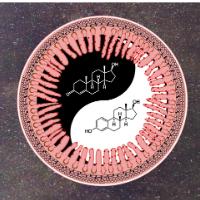
Colon cancers have a higher incidence in males, which is in part related to much higher androgen levels in males compared to females. Scientists have now discovered a link between androgens and stem cells that could contribute to colon cancer. Some cancers in the intestine are thought to arise from intestinal epithelial stem cells, which are needed for normal tissue maintenance and regeneration, but which can give rise to cancers when they grow improperly. In research recently published in Stem Cell Reports, Jingxin Li, Dawei Chen and colleagues found that androgen levels can regulate intestinal stem cell proliferation, a new potential link between androgen levels and colon cancer. By tuning androgen levels in mice with genetic or pharmacological tools, the researchers found that high androgen levels cause intestinal stem cells to divide more than usual and at the same time generated less mature epithelial cells, characteristic of changes that can lead to tumor formation. Interestingly, findings show that this effect was not direct but involved the surrounding niche cells, a population of cells that regulate intestinal stem cell growth and function. While important follow up research is needed, these findings may have implications for treating or preventing colon cancers through androgen regulation.

###

About Stem Cell Reports

Stem Cell Reports, is an open access forum communicating basic discoveries in stem cell research, in addition to translational and clinical studies. In addition to full-length articles, Stem Cell Reports, features shorter, single-point manuscripts that report original research with conceptual or practical advances of broad interest to stem cell biologists and clinicians. Stem Cell Reports, was launched in June 2013 and is published for the International Society for Stem Cell Research (ISSCR) by Cell Press.

About the International Society for Stem Cell Research

With nearly 4,000 members from more than 60 countries, the International Society for Stem Cell Research is the preeminent global, cross-disciplinary, science-based organization dedicated to stem cell research and its translation to the clinic. The ISSCR mission is to promote excellence in stem cell science and applications to human health. Additional information about stem cell science is available at A Closer Look at Stem Cells, an initiative of the Society to inform the public about stem cell research and its potential to improve human health.

Media Contact
Kym Kilbourne (ISSCR)
[email protected]

Tags: BiotechnologycancerCell BiologyMedicine/Health
Share12Tweet8Share2ShareShareShare2

Related Posts

New Study Examines How Dedicated Dermatology Textbooks Represent Skin of Colour

New Study Examines How Dedicated Dermatology Textbooks Represent Skin of Colour

October 4, 2026
Adding Immunotherapy to Chemo and Bevacizumab Extends Survival in Recurrent Cervical Cancer

Adding Immunotherapy to Chemo and Bevacizumab Extends Survival in Recurrent Cervical Cancer

October 4, 2026

Forskolin Extract Boosts Gut Hormone GLP-1 and Strengthens Intestinal Barrier in Cell Study

October 4, 2026

Empathy, Not Mood, Drives Helping in Autistic Children, Study Finds

October 4, 2026
Please login to join discussion

POPULAR NEWS

  • Alloys That Shrink Their Own Grains: New PIX Mechanism Refines Metals With Heat Alone

    Alloys That Shrink Their Own Grains: New PIX Mechanism Refines Metals With Heat Alone

    29 shares
    Share 12 Tweet 7
  • Endurance Exercise Reshapes the Liver in Males and Females Through Distinct Molecular Routes

    29 shares
    Share 12 Tweet 7
  • Single Transcription Factor PU.1 Rapidly Converts Fibroblasts into Macrophage-Lineage Cells

    29 shares
    Share 12 Tweet 7
  • New Scale Measures How Ready Nurse Educators Really Are for the AI Era

    29 shares
    Share 12 Tweet 7

About

We bring you the latest biotechnology news from best research centers and universities around the world. Check our website.

Follow us

Recent News

Alloys That Shrink Their Own Grains: New PIX Mechanism Refines Metals With Heat Alone

Endurance Exercise Reshapes the Liver in Males and Females Through Distinct Molecular Routes

Single Transcription Factor PU.1 Rapidly Converts Fibroblasts into Macrophage-Lineage Cells

Subscribe to Blog via Email

Success! An email was just sent to confirm your subscription. Please find the email now and click 'Confirm' to start subscribing.

Join 85 other subscribers
  • Contact Us

Bioengineer.org © Copyright 2023 All Rights Reserved.

Welcome Back!

Login to your account below

Forgotten Password?

Retrieve your password

Please enter your username or email address to reset your password.

Log In
No Result
View All Result
  • Homepages
    • Home Page 1
    • Home Page 2
  • News
  • National
  • Business
  • Health
  • Lifestyle
  • Science

Bioengineer.org © Copyright 2023 All Rights Reserved.