• HOME
  • NEWS
  • EXPLORE
    • CAREER
      • Companies
      • Jobs
    • EVENTS
    • iGEM
      • News
      • Team
    • PHOTOS
    • VIDEO
    • WIKI
  • BLOG
  • COMMUNITY
    • FACEBOOK
    • INSTAGRAM
    • TWITTER
Saturday, October 24, 2026
BIOENGINEER.ORG
No Result
View All Result
  • Login
  • HOME
  • NEWS
  • EXPLORE
    • CAREER
      • Companies
      • Jobs
        • Lecturer
        • PhD Studentship
        • Postdoc
        • Research Assistant
    • EVENTS
    • iGEM
      • News
      • Team
    • PHOTOS
    • VIDEO
    • WIKI
  • BLOG
  • COMMUNITY
    • FACEBOOK
    • INSTAGRAM
    • TWITTER
No Result
View All Result
Bioengineer.org
No Result
View All Result
Home NEWS Science News Cancer

Stanozolol in Aplastic Anemia: Pharmacological mechanisms, clinical applications, and future perspectives

by
October 24, 2026
in Cancer
Reading Time: 2 mins read
0
Stanozolol in Aplastic Anemia: Pharmacological mechanisms, clinical applications, and future perspectives

Stanozolol in Aplastic Anemia: Pharmacological mechanisms, clinical applications, and future perspectives

Share on FacebookShare on TwitterShare on LinkedinShare on RedditShare on Telegram

Aplastic anemia, a heterogeneous bone marrow failure syndrome, is conventionally treated with hematopoietic stem cell transplantation or immunosuppressive therapy. An open-access review published in Annals of Hematology on 23 October 2026 argues that one drug deserves renewed attention among the options available to patients who cannot use those standard approaches: the synthetic androgen stanozolol.

The review, authored by Rudan Zheng, Xinru Jia, Xiawan Yang, Yingying Shen and Dijiong Wu, focuses on patients who fail to respond to immunosuppressive therapy or who are unable to undergo transplantation. For these groups, hematopoiesis-stimulating regimens are recommended as sole or combination therapy. The listed options include recombinant human erythropoietin, thrombopoietin receptor agonists, and androgens such as danazol and stanozolol.

According to the authors, drawing on clinical practice, danazol appears to work well for patients with short telomeres, a biological feature associated with some forms of marrow failure. However, they report that the overall response observed in stanozolol management was more profound. The review summarizes the pharmacology of stanozolol, compares it with other androgens, and examines the mechanisms and clinical evidence accumulated to date.

The authors’ conclusion is measured rather than definitive. They state that stanozolol deserves more attention as an oral option in selected cases of non-severe or chronic aplastic anemia, while emphasizing that better comparative studies and biologic stratification are needed before its place in therapy can be firmly established. In other words, the review is a call for further research, not a claim that stanozolol should replace existing treatments.

The significance of the paper lies in its framing of stanozolol within a modern treatment landscape that includes newer agents such as thrombopoietin receptor agonists. The review suggests that patient characteristics, including telomere length, may be relevant when comparing androgen options. Until such comparative data exist, the authors’ assessment remains an argument for prioritizing stanozolol in future studies of selected non-severe and chronic aplastic anemia patients, rather than a validated new standard of care.

Subject of Research: Pharmacological mechanisms and clinical applications of stanozolol in aplastic anemia

Article Title: Stanozolol in Aplastic Anemia: Pharmacological mechanisms, clinical applications, and future perspectives

Article References: Zheng, R., Jia, X., Yang, X., Shen, Y., & Wu, D. (2026). Stanozolol in Aplastic Anemia: Pharmacological mechanisms, clinical applications, and future perspectives. Annals of Hematology. https://doi.org/10.1007/s00277-026-07327-z

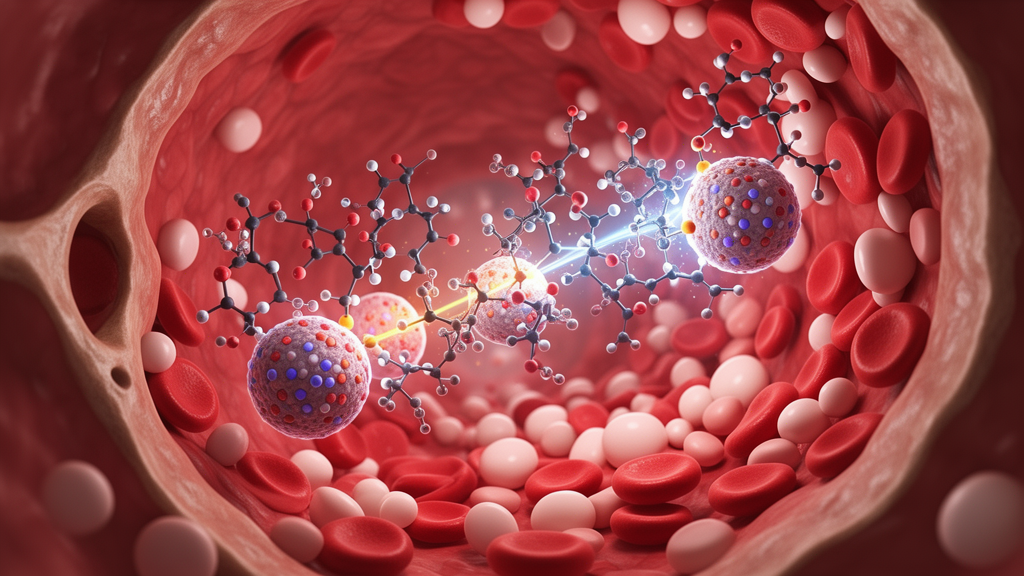
Image Credits: AI Generated

DOI: 10.1007/s00277-026-07327-z

Keywords: aplastic anemia, stanozolol, androgens, danazol, bone marrow failure, immunosuppressive therapy, hematopoiesis, telomeres, hematology, drug review, Aplastic, Anemia

News Source: Drew Townsend. (October 24, 2026). Stanozolol in Aplastic Anemia: Pharmacological mechanisms, clinical applications, and future perspectives. Scienmag.


Tags: androgensanemiaAplasticAplastic Anemiabone marrow failuredanazoldrug reviewHematologyhematopoiesisImmunosuppressive Therapystanozololtelomeres
Share12Tweet7Share2ShareShareShare1

Related Posts

Cancer cells evade chemotherapy by entering zombie-like senescent state

Cancer cells evade chemotherapy by entering zombie-like senescent state

October 24, 2026
Nearly Half of Colorectal Cancer Survivors Change Their Supplement Use Within Five Years

Nearly Half of Colorectal Cancer Survivors Change Their Supplement Use Within Five Years

October 24, 2026

Standard kidney function tests underestimate chronic kidney disease in people with cancer

October 24, 2026

Hydroxyurea linked to fewer crises in sickle cell patients in Guinea

October 24, 2026

POPULAR NEWS

  • Fuzzy Graph Neural Network Sorts Research Papers Using Uncertainty and Trust

    Fuzzy Graph Neural Network Sorts Research Papers Using Uncertainty and Trust

    29 shares
    Share 12 Tweet 7
  • Bacteria Living Inside Brain Tumors Track How Aggressive Gliomas Are

    29 shares
    Share 12 Tweet 7
  • Lab study finds extremely low salivary transmission of Oropouche virus in Aedes albopictus and Culex quinquefasciatus

    29 shares
    Share 12 Tweet 7
  • Headache Patterns May Signal Surgical Success in Drug-Resistant Focal Epilepsy

    29 shares
    Share 12 Tweet 7

About

We bring you the latest biotechnology news from best research centers and universities around the world. Check our website.

Follow us

Recent News

Fuzzy Graph Neural Network Sorts Research Papers Using Uncertainty and Trust

Bacteria Living Inside Brain Tumors Track How Aggressive Gliomas Are

Lab study finds extremely low salivary transmission of Oropouche virus in Aedes albopictus and Culex quinquefasciatus

Subscribe to Blog via Email

Enter your email address to subscribe to this blog and receive notifications of new posts by email.

Join 85 other subscribers
  • Contact Us

Bioengineer.org © Copyright 2023 All Rights Reserved.

Welcome Back!

Login to your account below

Forgotten Password?

Retrieve your password

Please enter your username or email address to reset your password.

Log In
No Result
View All Result
  • Homepages
    • Home Page 1
    • Home Page 2
  • News
  • National
  • Business
  • Health
  • Lifestyle
  • Science

Bioengineer.org © Copyright 2023 All Rights Reserved.