• HOME
  • NEWS
  • EXPLORE
    • CAREER
      • Companies
      • Jobs
    • EVENTS
    • iGEM
      • News
      • Team
    • PHOTOS
    • VIDEO
    • WIKI
  • BLOG
  • COMMUNITY
    • FACEBOOK
    • INSTAGRAM
    • TWITTER
Thursday, March 26, 2026
BIOENGINEER.ORG
No Result
View All Result
  • Login
  • HOME
  • NEWS
  • EXPLORE
    • CAREER
      • Companies
      • Jobs
        • Lecturer
        • PhD Studentship
        • Postdoc
        • Research Assistant
    • EVENTS
    • iGEM
      • News
      • Team
    • PHOTOS
    • VIDEO
    • WIKI
  • BLOG
  • COMMUNITY
    • FACEBOOK
    • INSTAGRAM
    • TWITTER
  • HOME
  • NEWS
  • EXPLORE
    • CAREER
      • Companies
      • Jobs
        • Lecturer
        • PhD Studentship
        • Postdoc
        • Research Assistant
    • EVENTS
    • iGEM
      • News
      • Team
    • PHOTOS
    • VIDEO
    • WIKI
  • BLOG
  • COMMUNITY
    • FACEBOOK
    • INSTAGRAM
    • TWITTER
No Result
View All Result
Bioengineer.org
No Result
View All Result
Home NEWS Science News Chemistry

Smart magnetic soft materials to develop artificial muscles and therapeutic robots

Bioengineer by Bioengineer
May 6, 2021
in Chemistry
Reading Time: 3 mins read
0
IMAGE
Share on FacebookShare on TwitterShare on LinkedinShare on RedditShare on Telegram

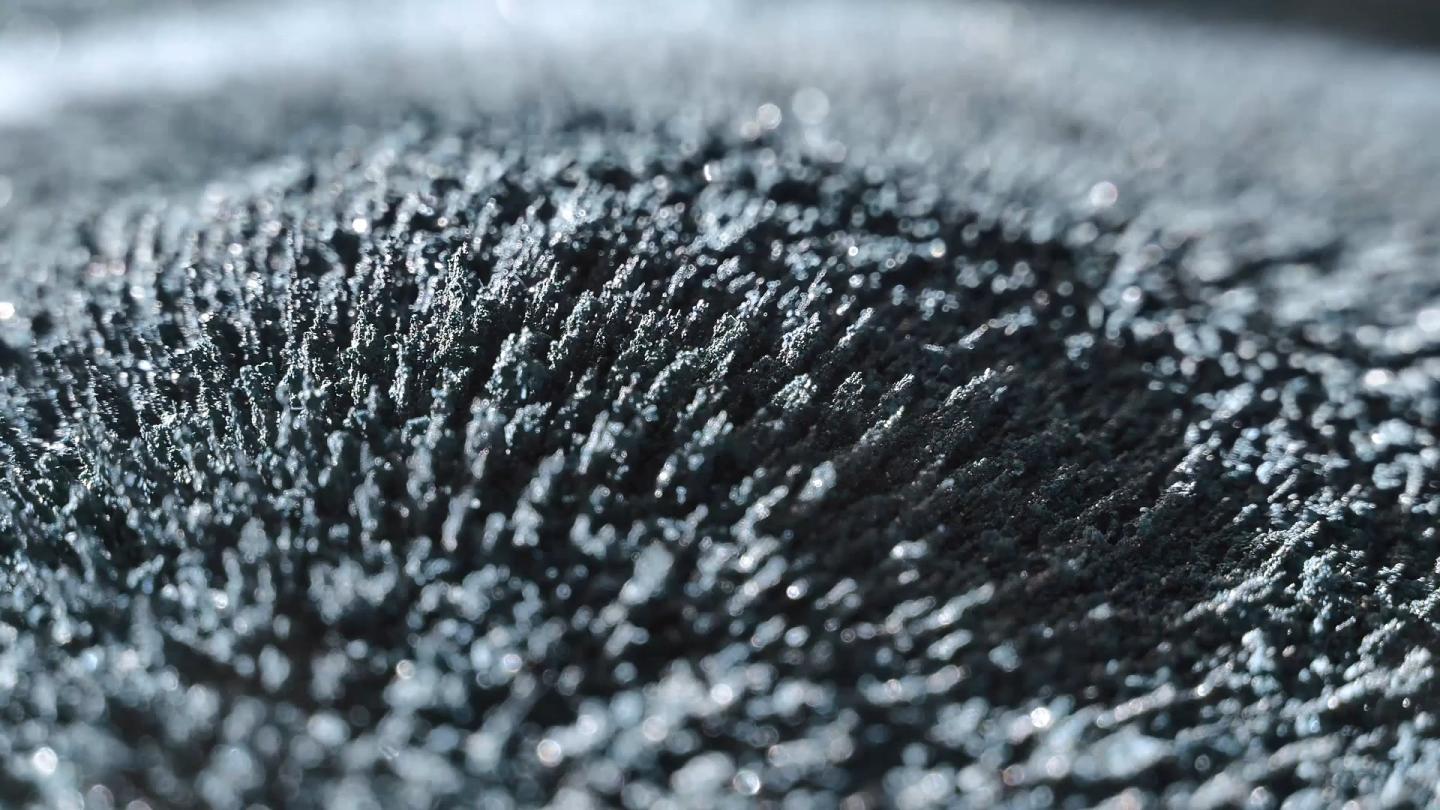
The UC3M’s 4D-BIOMAP project
IMAGE

Credit: 4D-BIOMAP

“The overarching idea of this research project is to influence different biological processes at the cellular level (i.e., wound healing, brain synapses or nervous system responses) by developing timely engineering applications”, explains 4D-BIOMAP’s lead researcher, Daniel García González from the UC3M’s Department of Continuum Mechanics and Structural Analysis.

The so-called magneto-active polymers are revolutionising the fields of solid mechanics and materials science. These composites consist of a polymeric matrix (i.e., an elastomer) that contains magnetic particles (i.e., iron) that react mechanically by changing their shape and volume. “The idea is that the application of an external magnetic field leads to internal forces in the material. These forces result in alterations of its mechanical properties, such as stiffness or even shape and volume changes which may interact with the cellular systems”, explains Daniel García González.The researcher recently published a scientific article in Composites Part B: Engineering about this topic with his colleagues from the UC3M’s Department of Structural Analysis and the Department of Bioengineering and Aerospace Engineering. In this cross-cutting collaboration, motivated on original experiments, they propose a model that provides theoretical guidance to design magneto-active structural systems that could be applied in epithelial wound healing stimulation.

The magneto-mechanical response is determined by the material properties of the polymeric matrix and magnetic particles. If these processes are controlled, other engineering applications could be developed, such as soft robots that can interact with the body or a new generation of artificial muscles, notes the researcher, who explains the potential of this technology with a comparison: “Let’s imagine someone who is on the beach and wants to step forward quickly. However, the sand (the mechanical environment) makes it a little more difficult for them to move forward than if they were stood on tarmac or an athletic track. Similarly, in our case, if a cell is on a substrate that is too soft, it will make it more difficult to move. So, if we are able to alter these substrates instead and create this athletic track for cells, we will make all of these processes develop more efficiently.”

4D-BIOMAP (Biomechanical Stimulation based on 4D Printed Magneto-Active Polymer) is a five-year project funded with 1.5 million Euros by the European Research Council through an ERC Starting Grant within the Framework Programme for Research and Innovation, Horizon 2020 (GA 947723). This research project is being approached from a multidisciplinary perspective, involving knowledge from disciplines such as solid mechanics, magnetism, and bioengineering. In addition to this, computational, experimental, and theoretical methodologies will be combined.

###

Bibliography:

D. Garcia-Gonzalez, M.A. Moreno, L. Valencia, A. Arias, D. Velasco (2021). Influence of elastomeric matrix and particle volume fraction on the mechanical response of magneto-active polymers. Composites Part B: Engineering, Volume 215, 108796. https://doi.org/10.1016/j.compositesb.2021.108796.

D. Garcia-Gonzalez, M. Hossain (2021). A microstructural-based approach to model magneto-viscoelastic materials at finite strains. International Journal of Solids and Structures, 208-209:119-132, 2021. https://doi.org/10.1016/j.ijsolstr.2020.10.028

Website for the 4D-BIOMAP project: http://www.multibiostructures.com

Video: https://youtu.be/sALzd8Lzxig

Media Contact
Fco. Javier Alonso
[email protected]

Original Source

https://www.uc3m.es/ss/Satellite/UC3MInstitucional/en/Detalle/Comunicacion_C/1371309602037/1371215537949/Smart_magnetic_soft_materials_to_develop_artificial_muscles_and_therapeutic_robots

Related Journal Article

http://dx.doi.org/10.1016/j.compositesb.2021.108796

Tags: Biomechanics/BiophysicsBiomedical/Environmental/Chemical EngineeringBiotechnologyElectrical Engineering/ElectronicsElectromagneticsMaterialsNanotechnology/MicromachinesTechnology/Engineering/Computer Science
Share12Tweet8Share2ShareShareShare2

Related Posts

Isolated H2-Reduced Clusters Boost CO2-to-Methanol Catalysis

Isolated H2-Reduced Clusters Boost CO2-to-Methanol Catalysis

March 25, 2026
blank

Physicists Identify Electronic Drivers Behind Flat Band Quantum Materials

March 21, 2026

Würzburg Chemistry Professor Claudia Höbartner Receives Prestigious Honor

March 20, 2026

Scientists Reveal How Magnets Control Metamaterial Behavior

March 20, 2026
Please login to join discussion

POPULAR NEWS

  • blank

    Revolutionary AI Model Enhances Precision in Detecting Food Contamination

    96 shares
    Share 38 Tweet 24
  • Imagine a Social Media Feed That Challenges Your Views Instead of Reinforcing Them

    1003 shares
    Share 397 Tweet 248
  • Uncovering Functions of Cavernous Malformation Proteins in Organoids

    54 shares
    Share 22 Tweet 14
  • Promising Outcomes from First Clinical Trials of Gene Regulation in Epilepsy

    51 shares
    Share 20 Tweet 13

About

We bring you the latest biotechnology news from best research centers and universities around the world. Check our website.

Follow us

Recent News

In-Sensor Cryptography Links Physical Process to Digital Identity

Can Psychosocial Factors Influence Cancer Risk?

Depression Factors in Elderly: Pre vs. Post-COVID Analysis

Subscribe to Blog via Email

Enter your email address to subscribe to this blog and receive notifications of new posts by email.

Join 78 other subscribers
  • Contact Us

Bioengineer.org © Copyright 2023 All Rights Reserved.

Welcome Back!

Login to your account below

Forgotten Password?

Retrieve your password

Please enter your username or email address to reset your password.

Log In
No Result
View All Result
  • Homepages
    • Home Page 1
    • Home Page 2
  • News
  • National
  • Business
  • Health
  • Lifestyle
  • Science

Bioengineer.org © Copyright 2023 All Rights Reserved.