• HOME
  • NEWS
  • EXPLORE
    • CAREER
      • Companies
      • Jobs
    • EVENTS
    • iGEM
      • News
      • Team
    • PHOTOS
    • VIDEO
    • WIKI
  • BLOG
  • COMMUNITY
    • FACEBOOK
    • INSTAGRAM
    • TWITTER
Thursday, November 19, 2026
BIOENGINEER.ORG
No Result
View All Result
  • Login
  • HOME
  • NEWS
  • EXPLORE
    • CAREER
      • Companies
      • Jobs
        • Lecturer
        • PhD Studentship
        • Postdoc
        • Research Assistant
    • EVENTS
    • iGEM
      • News
      • Team
    • PHOTOS
    • VIDEO
    • WIKI
  • BLOG
  • COMMUNITY
    • FACEBOOK
    • INSTAGRAM
    • TWITTER
No Result
View All Result
Bioengineer.org
No Result
View All Result
Home NEWS Science News Health

Selenium Nanoparticles Mitigate Acetaminophen-Induced Liver Injury by Blocking Ferroptosis

by
November 19, 2026
in Health
Reading Time: 2 mins read
0
Selenium Nanoparticles Mitigate Acetaminophen-Induced Liver Injury by Blocking Ferroptosis

Selenium Nanoparticles Mitigate Acetaminophen-Induced Liver Injury by Blocking Ferroptosis

Share on FacebookShare on TwitterShare on LinkedinShare on RedditShare on Telegram

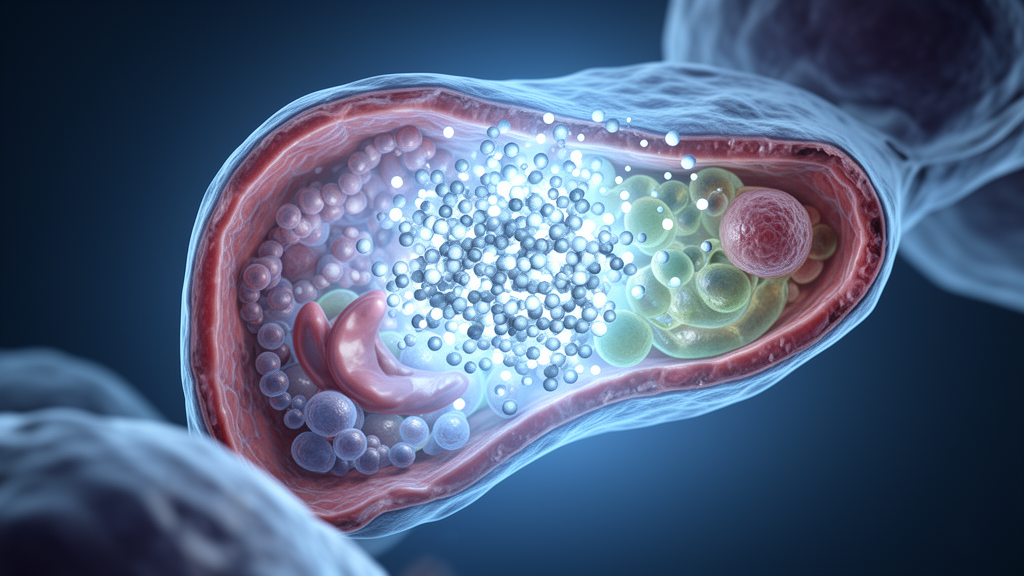
By leveraging their unique physicochemical properties, including high bioavailability and relatively low toxicity, these nanoparticles were shown to effectively counteract the cellular damage associated with drug-induced hepatotoxicity. The study, conducted using both human normal hepatocyte L-02 cells and an acute liver injury mouse model, demonstrates that the intervention acts through a multifaceted mechanism involving the regulation of oxidative stress, inflammation, and ferroptosis.

The study aimed to investigate the protective efficacy and mechanistic basis of biosynthesized selenium nanoparticles against acetaminophen-induced acute liver injury.

The experimental approach included a detailed analysis of hepatic oxidative stress markers, specifically examining glutathione levels, total superoxide dismutase activity, and malondialdehyde concentrations. In the mouse model, the administration of selenium nanoparticles was found to markedly mitigate hepatic necrosis and reduce inflammatory cell infiltration. These observations were supported by serum analysis, which revealed that treated subjects experienced normalized liver indices and significantly reduced levels of alanine aminotransferase and aspartate aminotransferase compared to the untreated acetaminophen-intoxicated controls.

Mechanistically, the protective effects of selenium nanoparticles are rooted in their ability to restore the balance of iron metabolism and lipid peroxidation processes. The study observed that the particles reversed the downregulation of glutathione peroxidase 4, a key regulator of ferroptosis, while simultaneously modulating the expression of several iron metabolism-related genes. These included the transferrin receptor, ferritin heavy and light chains, ferroportin, and heme oxygenase 1, which together helped to diminish intracellular ferrous iron accumulation and lipid peroxidation within the hepatocytes.

The modulation of the inflammatory response also played a critical role in the observed hepatoprotection. The research highlighted that selenium nanoparticles effectively suppressed the expression of several pro-inflammatory cytokines, including interleukin-6, interleukin-1 beta, tumor necrosis factor-alpha, and various chemokines such as CCL5, CXCL2, and CXCL10.

These findings provide a solid experimental foundation for the further development of selenium-based nanomaterials as therapeutic agents for liver injury.

Subject of Research: Hepatoprotective mechanism of selenium nanoparticles in acetaminophen-induced liver injury

Article Title: Selenium nanoparticles confer protection against acetaminophen hepatotoxicity by attenuating oxidative stress, inflammation, and ferroptosis

Article References: Pan, X., Xia, W., Fang, X., Zhang, Z., Chen, X., Wu, Z., Yang, Y., Zhang, Z., Luo, K., Zhou, C., Li, D., & Huang, C. (2026). Selenium nanoparticles confer protection against acetaminophen hepatotoxicity by attenuating oxidative stress, inflammation, and ferroptosis. International Journal of Emergency Medicine. https://doi.org/10.1186/s12245-026-01375-y

Image Credits: AI Generated

DOI: 10.1186/s12245-026-01375-y

Keywords: Selenium nanoparticles, Acetaminophen, Hepatotoxicity, Ferroptosis, Oxidative stress, Inflammation, Liver injury, GPX4, Iron metabolism, Pharmacology, Nanomedicine, Hepatocytes, Cytoprotection, Drug-induced liver injury, Antioxidants

News Source: Ophelia Keating. (November 19, 2026). Selenium Nanoparticles Mitigate Acetaminophen-Induced Liver Injury by Blocking Ferroptosis. Scienmag.


Tags: acetaminophenAntioxidantscytoprotectiondrug-induced liver injuryferroptosisGPX4hepatocyteshepatotoxicityinflammationIron Metabolismliver injuryNanomedicineoxidative stresspharmacologyselenium nanoparticles
Share12Tweet7Share2ShareShareShare1

Related Posts

Eighty-One Percent of Elbow Disorder Patients Experience Nocturnal Pain and Poor Sleep

Eighty-One Percent of Elbow Disorder Patients Experience Nocturnal Pain and Poor Sleep

November 19, 2026
Systematic Review Reveals Occupational Health Burden for Indian Informal Women Workers

Systematic Review Reveals Occupational Health Burden for Indian Informal Women Workers

November 19, 2026

Craniofacial Regeneration Studies Highlight Bioactive Systems, Scaffold Architecture, and Precision Forming

November 19, 2026

Young Adult Meniscal Allograft Transplantation Shows Favorable Mid-Term Survival and Function

November 19, 2026

POPULAR NEWS

  • Dyspnea and Eco-Anxiety Independently Link to Poorer Quality of Life in COPD

    Dyspnea and Eco-Anxiety Independently Link to Poorer Quality of Life in COPD

    29 shares
    Share 12 Tweet 7
  • Dystrophic Epidermolysis Bullosa Patients in Poland Face High Mental Health Morbidity

    29 shares
    Share 12 Tweet 7
  • Machine Learning Predicts Liver Fibrosis Risk in Prior Schistosoma Japonicum Infection

    29 shares
    Share 12 Tweet 7
  • Israeli Policy and Nursing Perspectives Diverge on Second Victim Phenomenon

    29 shares
    Share 12 Tweet 7

About

We bring you the latest biotechnology news from best research centers and universities around the world. Check our website.

Follow us

Recent News

Ultrasonic Pulse Velocity Tracks Compressive Strength Gains in Cement-Stabilized Mine Tailings

Eighty-One Percent of Elbow Disorder Patients Experience Nocturnal Pain and Poor Sleep

Systematic Review Reveals Occupational Health Burden for Indian Informal Women Workers

Subscribe to Blog via Email

Enter your email address to subscribe to this blog and receive notifications of new posts by email.

Join 88 other subscribers
  • Contact Us

Bioengineer.org © Copyright 2023 All Rights Reserved.

Welcome Back!

Login to your account below

Forgotten Password?

Retrieve your password

Please enter your username or email address to reset your password.

Log In
No Result
View All Result
  • Homepages
    • Home Page 1
    • Home Page 2
  • News
  • National
  • Business
  • Health
  • Lifestyle
  • Science

Bioengineer.org © Copyright 2023 All Rights Reserved.