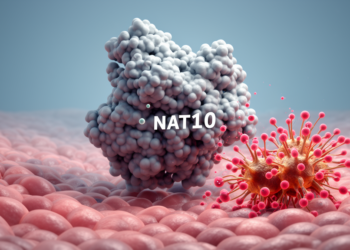
Targeting Liver Disease Enzyme NAT10 Requires Preserving Antitumor Immune Responses
A scientific literature review indicates that therapeutically tuning the RNA-modifying enzyme NAT10 rather than completely suppressing it is essential to ...
A scientific literature review indicates that therapeutically tuning the RNA-modifying enzyme NAT10 rather than completely suppressing it is essential to ...
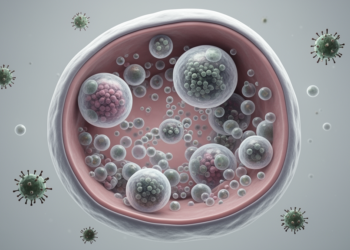
Post-mortem liver examinations from patients who died of severe COVID-19 revealed altered autophagy and mitochondrial marker expression alongside viral protein ...
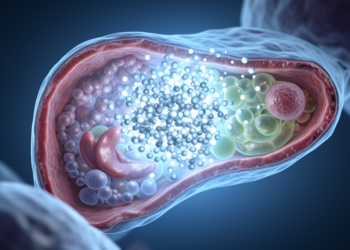
Selenium nanoparticles protect against acetaminophen-induced liver injury by mitigating oxidative stress, inflammation, and ferroptosis in cellular and mouse models.
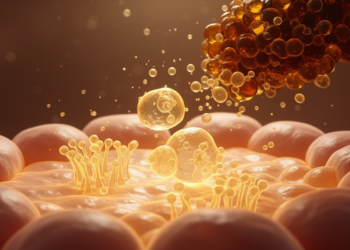
Hepatocytes release soluble Tim-3 to suppress inflammation and tissue damage during acetaminophen-induced acute liver injury in mice.
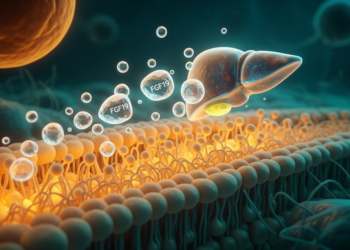
A review in Genes & Diseases describes how the FGF19–FGFR4 signalling pathway regulates liver metabolism and tissue repair while abnormal ...
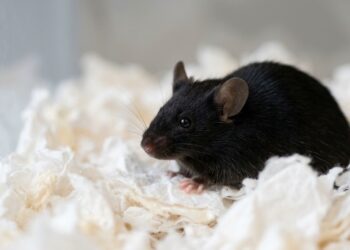
A new double knockout mouse model combining citrin deletion with liver-specific aralar deletion successfully reproduces key metabolic and behavioral features ...

Larvae from wild-caught golden mahseer broodstock demonstrate superior digestive enzyme activities, faster growth, and earlier gut maturation compared to captive-origin ...
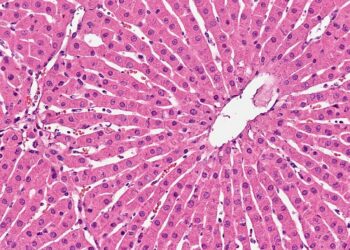
Genetic and pharmacological inactivation of soluble epoxide hydrolase preserved anti-inflammatory epoxy fatty acids and reduced liver injury, inflammation, and fibrosis ...
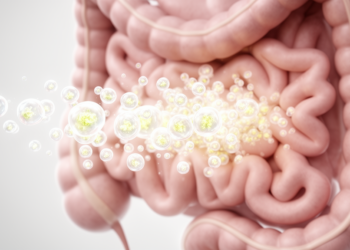
Extracellular nanovesicles from Dendrobium officinale stems mitigate metabolic disorders and intestinal barrier dysfunction in db/db mice and cell models.
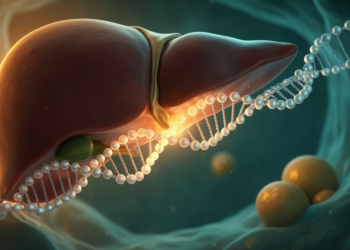
Researchers restored glucose and lipid balance in diabetic and obese male mice by targeting a hepatic microRNA cluster with an ...
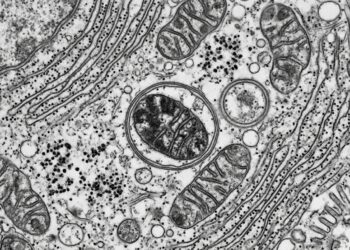
Researchers discovered that bacterial peptidoglycan enters hepatocytes and binds the autophagy adaptor p62 to drive selective mitophagy, protecting mice against ...
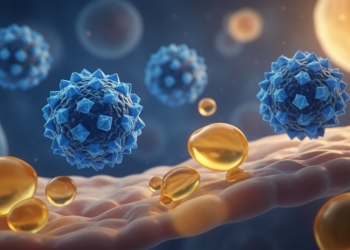
Treatment with vitamin E suppressed Senecavirus A replication in porcine cell cultures and mouse tissues while mitigating oxidative injury linked ...
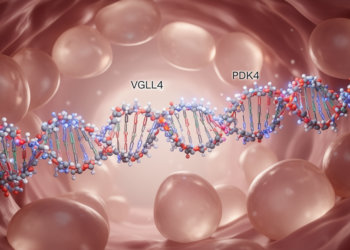
Researchers have discovered that the transcriptional cofactor VGLL4 promotes metabolic dysfunction-associated fatty liver disease by coordinating with TEAD4 and CEBPA ...
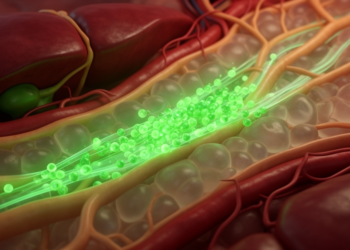
Preclinical dynamic PET imaging with a novel fluorine-18-labeled indocyanine green analog demonstrated rapid hepatic uptake, minimal renal clearance, and quantified ...
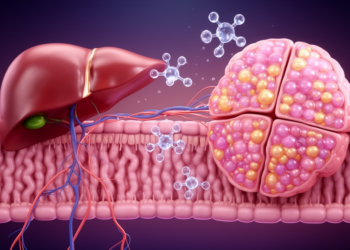
A study in mice and transcriptomic datasets reveals that hepatocyte-specific interleukin-15 deletion reduces liver steatosis, while intestinal interleukin-15 receptor deficiency ...
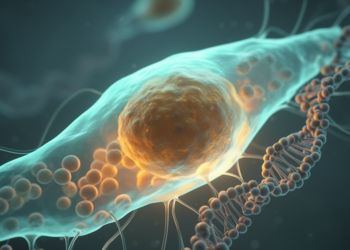
Zebrafish liver studies reveal that UHRF1 overexpression generates distinct senescent states whose expression levels dictate whether cells remain permanently arrested ...
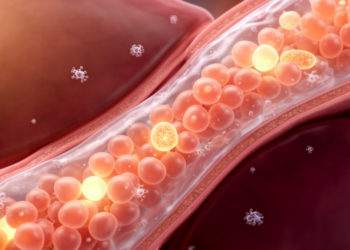
Researchers found that exercise protects against steatotic liver disease in mice by suppressing hepatic IP6K3, which releases HNRNPK to stabilize ...
Spatial transcriptomics reveals that interferon-gamma signaling in T lymphocytes distinguishes liver inflammation in systemic juvenile idiopathic arthritis complicated by macrophage ...
An exploratory cross-species transcriptomic analysis prioritized a seven-gene multicellular mitochondrial signature linked to immune and parenchymal features in fatty liver ...
Researchers found that hepatocyte OTUD1 promotes hepatic stellate cell activation and liver fibrosis by stabilizing HSP90β and enhancing TGF-β1 secretion.