• HOME
  • NEWS
  • EXPLORE
    • CAREER
      • Companies
      • Jobs
    • EVENTS
    • iGEM
      • News
      • Team
    • PHOTOS
    • VIDEO
    • WIKI
  • BLOG
  • COMMUNITY
    • FACEBOOK
    • INSTAGRAM
    • TWITTER
Sunday, May 10, 2026
BIOENGINEER.ORG
No Result
View All Result
  • Login
  • HOME
  • NEWS
  • EXPLORE
    • CAREER
      • Companies
      • Jobs
        • Lecturer
        • PhD Studentship
        • Postdoc
        • Research Assistant
    • EVENTS
    • iGEM
      • News
      • Team
    • PHOTOS
    • VIDEO
    • WIKI
  • BLOG
  • COMMUNITY
    • FACEBOOK
    • INSTAGRAM
    • TWITTER
  • HOME
  • NEWS
  • EXPLORE
    • CAREER
      • Companies
      • Jobs
        • Lecturer
        • PhD Studentship
        • Postdoc
        • Research Assistant
    • EVENTS
    • iGEM
      • News
      • Team
    • PHOTOS
    • VIDEO
    • WIKI
  • BLOG
  • COMMUNITY
    • FACEBOOK
    • INSTAGRAM
    • TWITTER
No Result
View All Result
Bioengineer.org
No Result
View All Result
Home NEWS Science News Biology

Seizures during menstrual cycle linked to drug-resistant epilepsy

Bioengineer by Bioengineer
August 26, 2020
in Biology
Reading Time: 3 mins read
0
IMAGE
Share on FacebookShare on TwitterShare on LinkedinShare on RedditShare on Telegram

Study finds surprising connection in some women with genetic generalized epilepsy
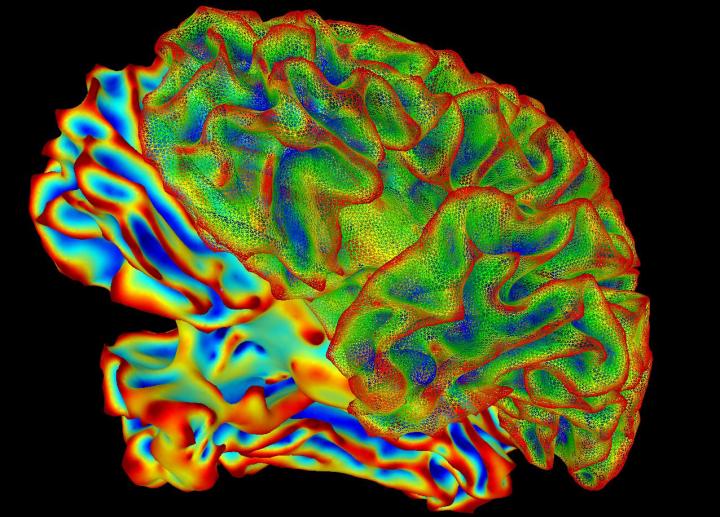
IMAGE

Credit: National Institute of Mental Health, National Institutes of Health

More frequent seizures during the menstrual cycle in women with genetic generalized epilepsy have been linked for the first time to drug-resistant epilepsy, when anti-seizure medications don’t work, according to a Rutgers coauthored study that may help lead to tailored treatments.

Women with a form of genetic generalized epilepsy called catamenial epilepsy – when seizure frequency increases during their menstrual cycle – were nearly four times more likely to have drug-resistant epilepsy than women who experience no changes in frequency, according to the study in the journal Neurology. This association was found in two independent samples.

“Typically, genetic generalized epilepsy is thought to respond better to anti-seizure medications than focal epilepsy. However, previous studies suggest a minority of individuals, between 18 percent and 36 percent, with genetic generalized epilepsy do not respond well to these medications,” said senior author Gary A. Heiman, an associate professor in the Department of Genetics in the School of Arts and Sciences at Rutgers University-New Brunswick. “It is unclear why seizures in these individuals do not respond well, and we sought to investigate why. We found a surprising association between women’s menstrual cycle and those with drug-resistant genetic generalized epilepsy. Understanding the reasons for this association could lead to alternative, personalized treatment options for at least some patients.”

In generalized epilepsy, seizures begin on both sides of the brain, while focal epilepsy seizures start in only one part of the brain.

In 2015, about 3.4 million people, including 470,000 children, had epilepsy in the United States, according to the U.S. Centers for Disease Control and Prevention. Anti-seizure drugs limit the spread of seizures in the brain and work for about two-thirds of people with epilepsy. Other options include surgery.

The study included 589 patients with or without drug-resistant genetic generalized epilepsy at Columbia Comprehensive Epilepsy Center and 66 patients at Yale Comprehensive Epilepsy Center. The goal was to develop and validate a model for predicting generalized epilepsy that resists drug treatment.

Such models may allow healthcare professionals to identify patients who may benefit from more aggressive or different kinds of treatment.

“Women whose seizures increase during their menstrual cycle and have drug-resistant genetic generalized epilepsy may represent a homogeneous group with a specific cause,” Heiman said. “Genetic and treatment studies of these women could uncover the reason, and tailored treatment could be developed. Although our study sample is one of the largest to date and found in two independent samples, further investigation using larger sample sizes is required.”

###

Suzanne Thornton, who earned a doctorate at Rutgers and is now at Swarthmore University, contributed to the study. Coauthors include scientists at Columbia University Medical Center, University of Miami, Yale University, University of Oxford, Free University of Brussels, Monash University, The Royal Melbourne Hospital, The University of Melbourne and Alfred Health.

Media Contact
Todd Bates
[email protected]

Original Source

https://www.rutgers.edu/news/seizures-during-menstrual-cycle-linked-drug-resistant-epilepsy

Related Journal Article

http://dx.doi.org/10.1212/WNL.0000000000010597

Tags: Disabled PersonsMedicine/HealthneurobiologyPharmaceutical SciencePhysiologyPublic Health
Share12Tweet8Share2ShareShareShare2

Related Posts

Ancient Plant Populations Reveal Fresh Insights into Climate Resilience — Biology

Ancient Plant Populations Reveal Fresh Insights into Climate Resilience

May 8, 2026
Rare Brain Disorders in Children Linked to Mutations in Lesser-Known Protein Complex — Biology

Rare Brain Disorders in Children Linked to Mutations in Lesser-Known Protein Complex

May 8, 2026

From Odd Insect to Underwater Predator: The Remarkable Evolution of a Bloodthirsty Fruit Fly

May 8, 2026

SNU Professor Sangwoo Seo’s Team Develops Next-Generation CRISPR Biocontainment Technology to Control Microbial Survival Without DNA Cleavage

May 8, 2026
Please login to join discussion

POPULAR NEWS

  • Research Indicates Potential Connection Between Prenatal Medication Exposure and Elevated Autism Risk

    840 shares
    Share 336 Tweet 210
  • New Study Reveals Plants Can Detect the Sound of Rain

    727 shares
    Share 290 Tweet 181
  • Scientists Investigate Possible Connection Between COVID-19 and Increased Lung Cancer Risk

    68 shares
    Share 27 Tweet 17
  • Salmonella Haem Blocks Macrophages, Boosts Infection

    61 shares
    Share 24 Tweet 15

About

We bring you the latest biotechnology news from best research centers and universities around the world. Check our website.

Follow us

Recent News

Evaluating Digoxin Use in Patients with Symptomatic Rheumatic Heart Disease

Evaluating the Effectiveness and Safety of Digitalis Glycosides in Treating Heart Failure

Urdu Fall Risk Questionnaire Adapted for Elderly

Subscribe to Blog via Email

Success! An email was just sent to confirm your subscription. Please find the email now and click 'Confirm' to start subscribing.

Join 82 other subscribers
  • Contact Us

Bioengineer.org © Copyright 2023 All Rights Reserved.

Welcome Back!

Login to your account below

Forgotten Password?

Retrieve your password

Please enter your username or email address to reset your password.

Log In
No Result
View All Result
  • Homepages
    • Home Page 1
    • Home Page 2
  • News
  • National
  • Business
  • Health
  • Lifestyle
  • Science

Bioengineer.org © Copyright 2023 All Rights Reserved.