• HOME
  • NEWS
  • EXPLORE
    • CAREER
      • Companies
      • Jobs
    • EVENTS
    • iGEM
      • News
      • Team
    • PHOTOS
    • VIDEO
    • WIKI
  • BLOG
  • COMMUNITY
    • FACEBOOK
    • INSTAGRAM
    • TWITTER
Sunday, September 27, 2026
BIOENGINEER.ORG
No Result
View All Result
  • Login
  • HOME
  • NEWS
  • EXPLORE
    • CAREER
      • Companies
      • Jobs
        • Lecturer
        • PhD Studentship
        • Postdoc
        • Research Assistant
    • EVENTS
    • iGEM
      • News
      • Team
    • PHOTOS
    • VIDEO
    • WIKI
  • BLOG
  • COMMUNITY
    • FACEBOOK
    • INSTAGRAM
    • TWITTER
  • HOME
  • NEWS
  • EXPLORE
    • CAREER
      • Companies
      • Jobs
        • Lecturer
        • PhD Studentship
        • Postdoc
        • Research Assistant
    • EVENTS
    • iGEM
      • News
      • Team
    • PHOTOS
    • VIDEO
    • WIKI
  • BLOG
  • COMMUNITY
    • FACEBOOK
    • INSTAGRAM
    • TWITTER
No Result
View All Result
Bioengineer.org
No Result
View All Result
Home NEWS Science News

Seabird eggs contaminated with cocktail of plastic additives

Bioengineer by Bioengineer
September 6, 2025
in Science News
Reading Time: 2 mins read
0
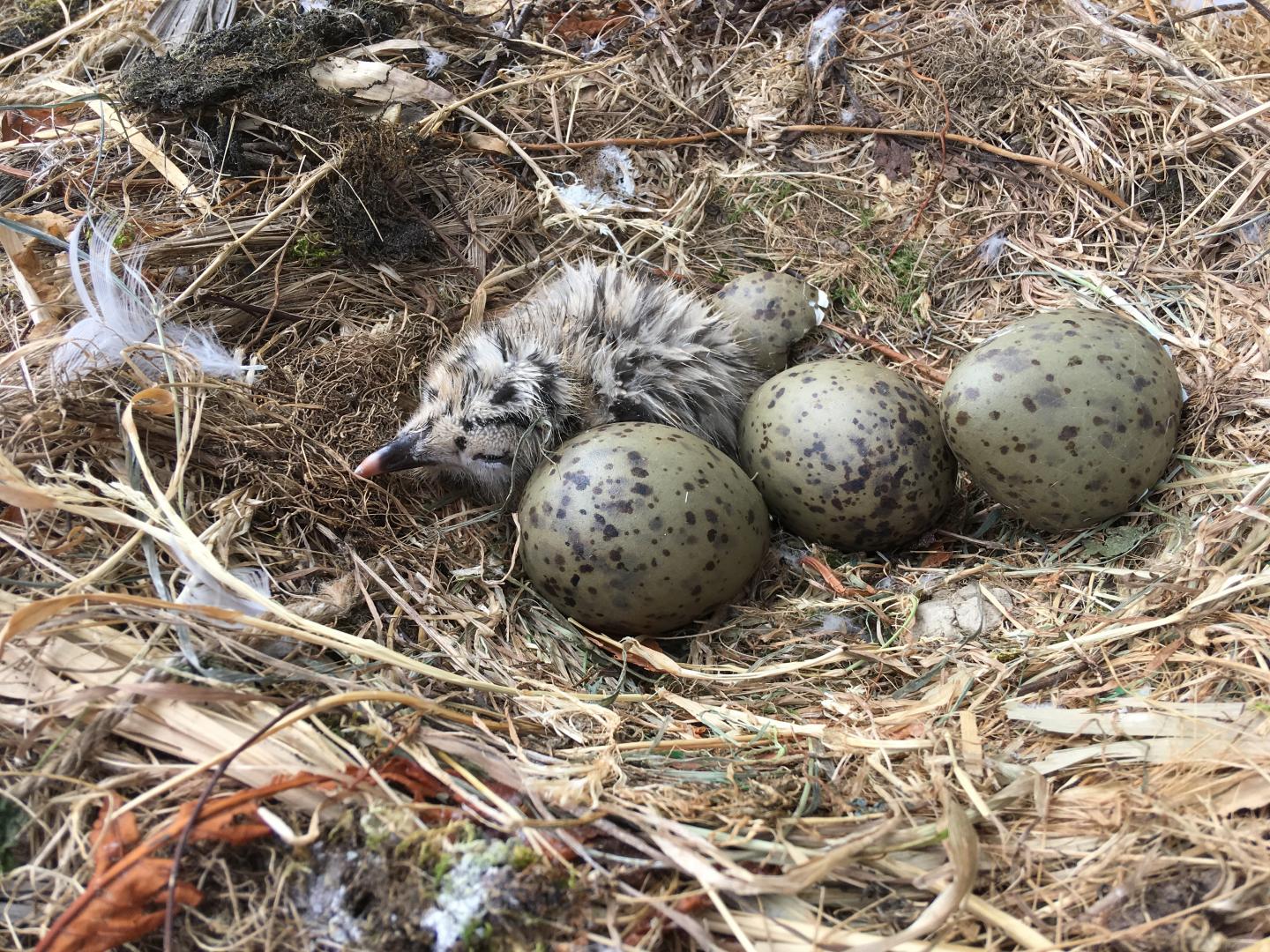
IMAGE
Share on FacebookShare on TwitterShare on LinkedinShare on RedditShare on Telegram

Chemical additives used in plastic production have been found in herring gull eggs, new research shows.

Phthalates are a group of chemicals added to plastics to keep them flexible.

The study, by the universities of Exeter and Queensland, looked for evidence of phthalates in newly laid herring gull eggs – and found up to six types of phthalate per egg.

Phthalates function as pro-oxidants – potentially causing “oxidative stress” that can damage cells.

“This includes lipids that nourish developing embryos, and vitamin E, which helps to protect chicks from oxidative stress that can occur during development and at hatching.

“Unfortunately, our findings suggest that mothers are inadvertently passing on phthalates and products of lipid damage – and eggs with higher phthalate contamination also contained greater amounts of lipid damage and less vitamin E.”

The impact of this on developing chicks is unknown, and further investigation is needed.

Researchers collected 13 herring gulls eggs from sites in Cornwall, UK, and all 13 were found to contain phthalates.

Phthalates – which are used in most plastic products and readily leech out – are now found in almost every environment on Earth.

They can “bio-accumulate” (build up in living organisms) by becoming concentrated in fatty tissues.

The study does not show where the gulls acquired the phthalates, but phthalates have previously been found in species preyed on by herring gulls, and the birds are known to swallow plastic.

“Research on the impact of plastic on animals has largely focussed on entanglement and ingestion of plastic fragments,” Professor Blount said.

“Far less is known about the impacts of plastic additives on the body.

“More research is now needed to discover how developing offspring are affected by being exposed to phthalates before they have even emerged as a hatchling.”

He added: “We need to look more deeply into the pervasive threats of plastics – not just the breakdown of plastic items themselves, but also the dispersal of the multiple chemicals they contain.

“Where do these end up, and what effects are they having on wildlife and ecosystems?”

###

The study received an initiator grant from QUEX, a partnership between the universities of Exeter and Queensland.

The paper, published in the journal Marine Pollution Bulletin, is entitled: “Phthalate diversity in eggs and associations with oxidative stress in the European herring gull (Larus argentatus).”

Media Contact
Alex Morrison
[email protected]
Tags: BiochemistryBiodiversityBiologyDevelopmental/Reproductive BiologyEcology/EnvironmentMarine/Freshwater BiologyNutrition/NutrientsPollution/RemediationZoology/Veterinary Science
Share13Tweet8Share2ShareShareShare2

Related Posts

Near-Perfect Long Reads Reveal Hidden Mosaicism Left Behind by CRISPR Gene Editing

September 27, 2026

Machine Learning Meets Forensic DNA: SNPs That Identify Relatives and Separate East Asian Populations

September 27, 2026

AI-Powered Virtual Screening Uncovers Potent New Dual CDK4/6 Cancer Inhibitor

September 27, 2026

Oral Wnt-blocking pill plus lenvatinib shows promise in endometrial cancer after immunotherapy fails

September 27, 2026
Please login to join discussion

POPULAR NEWS

  • Near-Perfect Long Reads Reveal Hidden Mosaicism Left Behind by CRISPR Gene Editing

    29 shares
    Share 12 Tweet 7
  • Machine Learning Meets Forensic DNA: SNPs That Identify Relatives and Separate East Asian Populations

    29 shares
    Share 12 Tweet 7
  • AI-Powered Virtual Screening Uncovers Potent New Dual CDK4/6 Cancer Inhibitor

    29 shares
    Share 12 Tweet 7
  • Oral Wnt-blocking pill plus lenvatinib shows promise in endometrial cancer after immunotherapy fails

    29 shares
    Share 12 Tweet 7

About

We bring you the latest biotechnology news from best research centers and universities around the world. Check our website.

Follow us

Recent News

Near-Perfect Long Reads Reveal Hidden Mosaicism Left Behind by CRISPR Gene Editing

Machine Learning Meets Forensic DNA: SNPs That Identify Relatives and Separate East Asian Populations

AI-Powered Virtual Screening Uncovers Potent New Dual CDK4/6 Cancer Inhibitor

Subscribe to Blog via Email

Success! An email was just sent to confirm your subscription. Please find the email now and click 'Confirm' to start subscribing.

Join 85 other subscribers
  • Contact Us

Bioengineer.org © Copyright 2023 All Rights Reserved.

Welcome Back!

Login to your account below

Forgotten Password?

Retrieve your password

Please enter your username or email address to reset your password.

Log In
No Result
View All Result
  • Homepages
    • Home Page 1
    • Home Page 2
  • News
  • National
  • Business
  • Health
  • Lifestyle
  • Science

Bioengineer.org © Copyright 2023 All Rights Reserved.