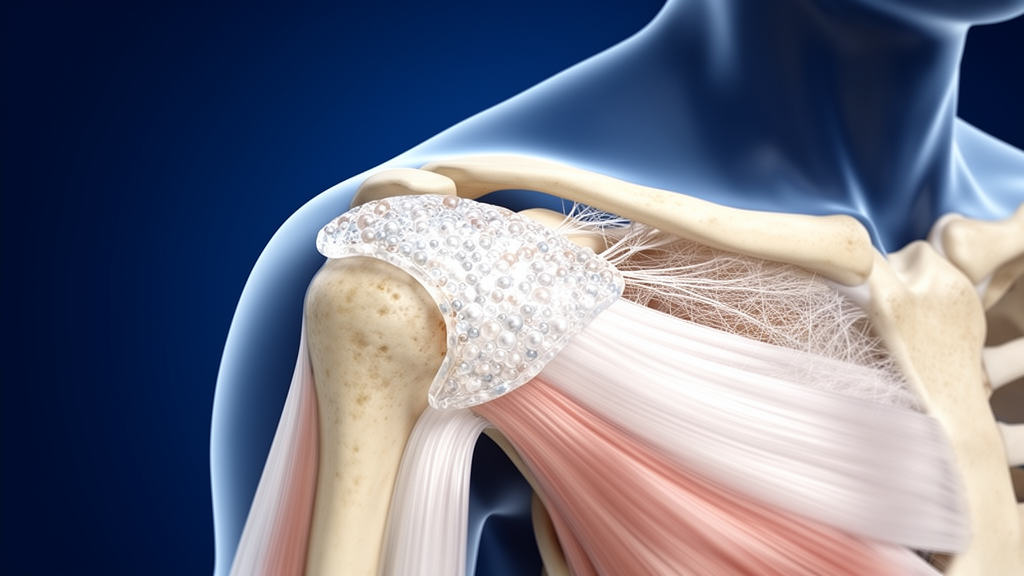
A comprehensive scoping review evaluating biological augmentation strategies for rotator cuff repair has determined that human dermal allografts and autografts are supported by the strongest and largest volume of current evidence, according to findings published in BMC Musculoskeletal Disorders. Although surgical repair of rotator cuff tears is a common orthopedic procedure, repair failure and retear rates remain a persistent clinical challenge, particularly in the management of large or degenerative tears. In response, surgical teams increasingly utilize biological augmentation to enhance both the mechanical and biological environment of the repair site, with the primary goals of improving structural healing and lowering failure rates.
The scoping review, led by Ahmed O. Sabry and colleagues, aimed to summarize the underlying rationale, available materials, and recent clinical evidence surrounding biological augmentation to assist surgical decision-making. To capture the full breadth of existing literature, the investigators carried out a systematic search using targeted keywords focused on rotator cuff repair and augmentation techniques. Their selection criteria included studies evaluating biological grafts as well as combined biological and synthetic augmentation platforms conducted in either human patients or animal subjects, ultimately yielding a total of 419 studies for qualitative synthesis.
Across the 419 included investigations, the authors categorized the identified augmentation techniques into distinct groups: allografts, xenografts, autografts, platelet-rich plasma, stem cells, non-tissue grafts, and other biological adjuncts. Within this spectrum of materials, human dermal allografts represented the single most frequently investigated augmentation strategy in the literature. Multiple reviewed studies linked the application of human dermal allografts to favorable tendon healing and positive clinical outcomes, establishing this graft category as one of the most thoroughly documented biological interventions for challenging repairs.
Autografts have simultaneously emerged as promising alternatives in rotator cuff repair, distinguished primarily by their favorable biocompatibility. Among autologous options, the scoping review highlighted the use of fascia lata and the long head of the biceps tendon as notable graft sources.
In contrast to allograft and autograft preparations, evidence regarding other popular biological adjuncts remains mixed and less definitive. The review noted that findings for platelet-rich plasma and stem cell therapies continue to be inconsistent across published studies, with the field lacking any universal consensus regarding optimal preparation methods and application protocols. Meanwhile, non-tissue synthetic grafts provide immediate mechanical support to the repaired tendon construct, but the researchers emphasized that these synthetic alternatives currently lack long-term clinical data to verify their enduring efficacy and safety profile.
In their final assessment, the review authors concluded that biological augmentation serves as a valuable tool for enhancing healing outcomes in high-risk rotator cuff repairs, even though no single strategy has demonstrated universal clinical superiority. Addressing the ongoing uncertainties in surgical practice will require substantial methodological improvements in future research. The authors specifically called for future studies to prioritize large-scale, standardized comparative clinical trials alongside novel combinatory approaches that deliberately merge mechanical structural support with targeted biological enhancement to optimize tendon-to-bone healing.
Subject of Research: Biological augmentation strategies for rotator cuff repair
Article Title: Recent concepts in biological augmentation for rotator cuff tears: a scoping review
Article References: Sabry, A. O., Elmenawi, K. A., Ibrahim, S., Johnson, C., Abdelgawad, A. H. K., Hussein, A., Hamam, N. G., Latif, R., Arid, M., & Elsafoury, Y. (2026). Recent concepts in biological augmentation for rotator cuff tears: a scoping review. BMC Musculoskeletal Disorders, 27(1), Article 941. https://doi.org/10.1186/s12891-026-10436-5
Image Credits: AI Generated
DOI: 10.1186/s12891-026-10436-5
Keywords: rotator cuff repair, biological augmentation, human dermal allografts, autografts, fascia lata, long head of the biceps tendon, platelet-rich plasma, stem cells, non-tissue synthetic grafts, xenografts, scoping review, tendon healing, retear rates, degenerative tears, orthopedic surgery, biocompatibility, qualitative synthesis
News Source: Ophelia Keating. (November 12, 2026). Scoping Review Identifies Leading Biological Augmentation Options for Rotator Cuff Repairs. Scienmag.