In recent years, the global scientific community has increasingly turned its attention toward innovative solutions embedded within waste materials, particularly food waste. Once considered merely a byproduct destined for compost or landfill, food waste is now revealing its untapped potential to offer sustainable alternatives in agriculture and the pharmaceutical industries. Cutting-edge research published in peer-reviewed journals by the American Chemical Society (ACS) underscores the transformative power of repurposing food residue, illuminating new pathways to reduce environmental impact while enhancing human health.
A compelling example comes from sugar beet pulp, the fibrous residue left after sugar extraction, which constitutes approximately 80% of the original beet mass. Traditionally discarded or composted, this pectin-rich byproduct harbors bioactive carbohydrates capable of inducing systemic acquired resistance in plants. Researchers have demonstrated that when applied to wheat crops, these compounds activate innate defense mechanisms against fungal pathogens such as powdery mildew. This biomimetic strategy offers an environmentally benign alternative to synthetic pesticides, potentially mitigating the burgeoning issue of agrochemical overuse and its detrimental effects on ecosystems.
Beyond pest control, millipede-composted coconut fibers are emerging as a promising replacement for peat moss in seedling cultivation substrates. The harvest of peat moss is ecologically concerning due to its disruption of sensitive wetland ecosystems essential for maintaining groundwater quality and biodiversity. In controlled studies, these coconut fibers, processed via microbial and millipede digestion into what is termed “millicompost,” exhibited comparable physical and chemical properties conducive to successful germination and growth of bell pepper seedlings. This discovery could catalyze a paradigm shift toward more sustainable nursery practices with substantial conservation benefits.
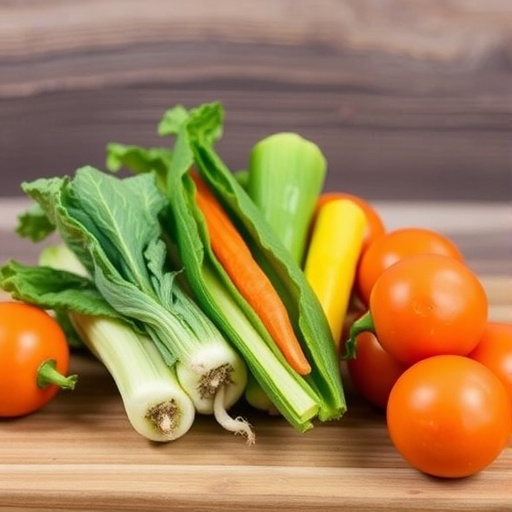
Moreover, the valorization of commonly discarded radish leaves has revealed a trove of health-promoting compounds. Rich in dietary fibers, polysaccharides, and antioxidants, radish greens have been shown to foster the proliferation of beneficial gut microbiota in laboratory and animal models. Such prebiotic effects suggest that the regular incorporation of radish leaves into the human diet might enhance gastrointestinal health, potentially reducing the incidence of metabolic and inflammatory disorders linked to dysbiosis. This insight challenges conventional food consumption norms, encouraging a more holistic utilization of edible plant parts.
Scientists have also pioneered advanced extraction and stabilization techniques to harness the bioactive compounds found in beet greens. Employing aerosolization and spray-drying methods, researchers encapsulated antioxidant-rich extracts within edible biopolymers, resulting in microparticles with enhanced oxidative stability compared to unprotected extracts. These microparticulate formulations open new avenues for the incorporation of beet leaf antioxidants into cosmetic, pharmaceutical, and functional food products. By protecting sensitive phytochemicals from degradation, this technology maximizes the therapeutic potential and shelf life of natural ingredients derived from agricultural waste.
Collectively, these studies reflect a broader movement towards circular bioeconomy principles, where waste streams are valued as reservoirs of functional molecules and raw materials rather than burdens to be discarded. The technological innovations highlighted transcend disciplinary boundaries, melding agricultural science, chemistry, and health sciences to unlock multifaceted benefits. This integrative approach not only addresses sustainability challenges but also fosters economic opportunities by generating high-value products from low-cost waste.
The implications extend beyond laboratory successes to real-world applications. For farmers, adopting sugar beet pulp-based elicitors could reduce dependency on hazardous chemicals, diminish production costs, and lower environmental contamination. Nursery operators engaging with millicompost substrates can protect vulnerable ecosystems while maintaining or improving crop quality. Meanwhile, the functional food and nutraceutical industries stand to gain new, cost-effective bioactive ingredients sourced from radish leaves and beet greens, appealing to health-conscious consumers seeking natural solutions.
However, the path to widespread implementation is not without challenges. Scaling production of bioactive extracts and compost alternatives requires optimization of processing parameters to ensure consistency, efficacy, and safety. The regulatory landscape governing novel agricultural and health products must adapt to accommodate these innovations while safeguarding public health. Furthermore, consumer acceptance hinges on effective communication of the benefits and safety of products derived from food waste components.
Future research directions are poised to deepen understanding of the mechanisms underlying plant immunity elicitation by sugar beet carbohydrates, the microbiological dynamics of millipede composting systems, and the pharmacokinetics of radish leaf bioactives in human models. Advancements in encapsulation technologies and formulation science will further improve delivery systems for bioactive compounds, enhancing bioavailability and stability. Interdisciplinary collaborations will be critical to translating these scientific breakthroughs into commercially viable and environmentally sustainable solutions.
In conclusion, the reexamination of food waste as a reservoir of valuable compounds signifies a transformative shift in how society can approach sustainability and health. These scientific endeavors illuminate promising strategies to reduce agricultural chemical inputs, protect fragile ecosystems, and develop novel bioactive substances that promote human well-being. By embracing the concept of “trash to treasure” in chemical and agricultural sciences, researchers are forging a future in which waste is not an end, but the beginning of innovation.
Subject of Research: Sustainable utilization of food waste for agricultural disease control, seedling growth substrates, gut health enhancement, and bioactive compound stabilization
Article Title: (No specific title provided in the original content)
News Publication Date: (Not explicitly mentioned)
Web References:
https://pubs.acs.org/doi/10.1021/acs.jafc.5c05099
https://pubs.acs.org/doi/10.1021/acsomega.5c06388
https://pubs.acs.org/doi/10.1021/acs.jafc.5c08263
https://pubs.acs.org/doi/10.1021/acsengineeringau.5c00044
References: Incorporated from four ACS journal publications as above.
Keywords: Chemistry, Agriculture, Health and medicine
Tags: alternatives to peat mossbioactive compounds in agricultureeco-friendly pest control methodsenhancing crop healthfood residue transformationinnovative agricultural solutionsmillipede-composted materialspharmaceutical uses of food wastereducing environmental impactrepurposing food wastesugar beet pulp applicationssustainable alternatives in farming